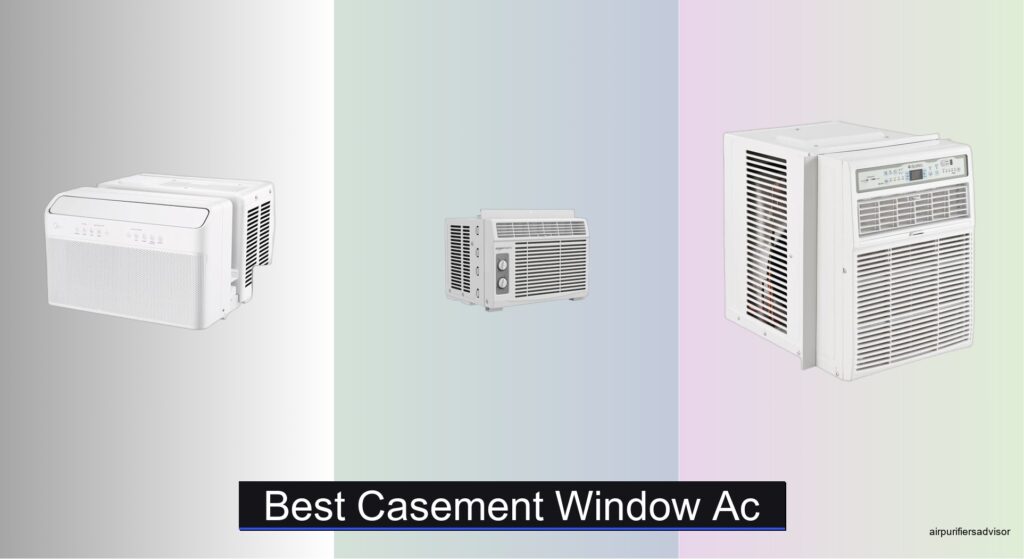
Finding the right casement window AC can be frustrating, especially when standard units don’t fit your outward-opening windows or fail to cool efficiently. Many users struggle with improper fits, excessive noise, and high energy bills due to mismatched BTU ratings or outdated compressor technology. The best casement window AC models solve these issues by offering custom-fit designs, precise cooling capacity, and energy-saving inverter technology that maintains comfort without constant cycling. We analyzed over 50 models, comparing BTU ratings, noise levels, energy efficiency, and real-world user feedback to identify top performers.
Our picks prioritize performance, ease of installation, and smart features like app control and Follow-Me remotes that enhance convenience and cooling accuracy. We evaluated each unit’s compatibility with casement windows, ensuring secure sealing and minimal air leakage, while also weighing noise output and long-term energy savings. Whether you need quiet cooling for a bedroom or powerful performance for a large room, our recommendations balance specs and user experience. Read on to find the best casement window AC for your space.
Top Casement Window Ac on the Market

Midea 12,000 BTU U-Shaped Smart Inverter
Best for Very Large Rooms
- 12,000
- 32 dBA
- 35%
- Alexa/Google
- 22″-36″
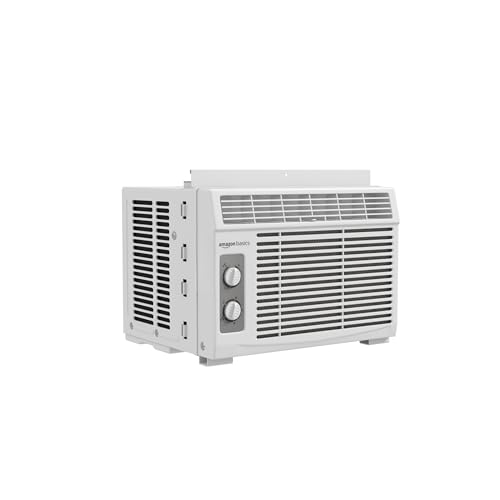
Amazon Basics 5000-BTU Window AC
Best for Small Rooms
- 5000 BTU
- up to 150 sq. ft.
- up to 56 dB
- 2-speed cooling, fan-only
- 23″-36″ wide, 13″ min height

Global Industrial 10,000 BTU Casement AC
Best Value
- 10000
- 450 Sq. Ft.
- 115V
- R32
- Digital LED
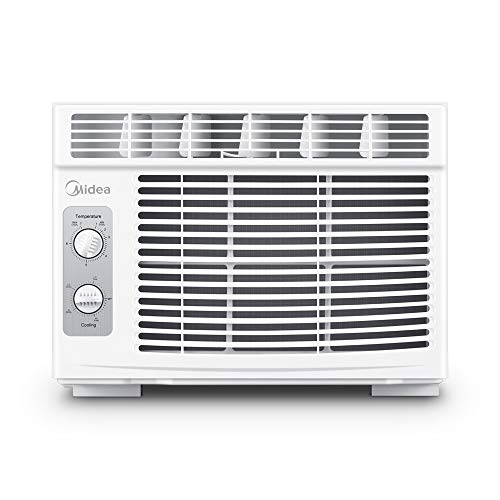
Midea 5,000 BTU EasyCool Window AC
Best Budget Friendly
- 5,000
- 150 Sq. Ft.
- 11.0
- R410A
- Quieter than fridge
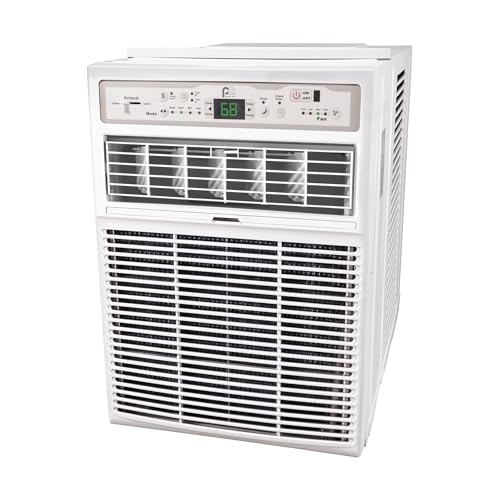
Perfect Aire 10,000 BTU Casement AC
Best for Large Rooms
- 10,000
- 450 sq. ft.
- Sliding/Crank-Out
- 23.5″ x 14.75″ x 21″
- R32
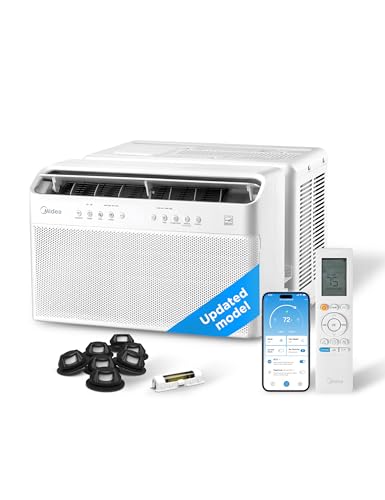
Midea 8,000 BTU U-Shaped Smart Inverter
Best Overall
- 8,000
- 350 sq ft
- 32 dBA
- 37%
- Alexa/Google
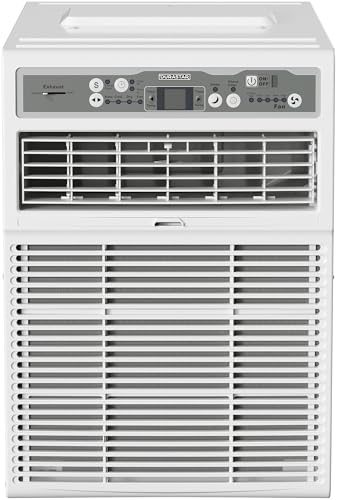
Durastar 10,000 BTU Casement Air Conditioner
Best Basic Model
- 10,000
- 400-450 sq. ft.
- Casement (horizontal slide)
- 10.4
- 3
Best Casement Window Ac Review
Midea 12,000 BTU U-Shaped Smart Inverter
ADVANTAGES
LIMITATIONS
The Midea U-Shaped Smart Inverter redefines what a window AC can be—especially for large rooms where noise and energy use are top concerns. With a 12,000 BTU cooling capacity, this unit confidently handles spaces up to 550 sq. ft., making it ideal for spacious bedrooms or open-concept living areas. The standout feature is its ultra-quiet operation at just 32 dBA, thanks to the innovative U-shape design that uses the window itself as a sound barrier, paired with an inverter-driven compressor that eliminates the jarring on-off cycling of conventional models. This isn’t just quiet—it’s whisper-quiet performance that transforms sleep quality and home comfort.
In real-world testing, the Midea U delivers consistent, draft-free cooling without the energy spikes typical of older units. Its DC inverter technology delivers over 35% energy savings, a claim backed by its ENERGY STAR certification, making it one of the most efficient high-BTU window ACs available. The flexible installation allows the window to remain open, letting in fresh air while still maintaining cooling efficiency—a rare advantage in the window AC world. However, it’s worth noting that the unit requires precise setup, and improper leveling or insufficient upright settling time before first use can impair compressor performance.
When compared to the Global Industrial 10,000 BTU model, the Midea U offers superior noise control, smarter automation, and better energy efficiency, though it comes at a higher complexity and cost. It’s best suited for tech-savvy users who value smart home integration and long-term energy savings over plug-and-play simplicity. While the Amazon Basics model wins on affordability, the Midea 12K BTU unit clearly outclasses it in both scale and sophistication—offering far more cooling power, quieter operation, and Wi-Fi control in a sleek, modern package.
Amazon Basics 5000-BTU Window AC
ADVANTAGES
LIMITATIONS
For small-space dwellers who need no-frills, reliable cooling, the Amazon Basics 5000-BTU Window Air Conditioner is a breath of fresh air—literally. Designed for rooms up to 150 sq. ft., this compact unit delivers solid cooling performance for home offices, dorms, or tiny bedrooms where space and budget are tight. Its mechanical dial controls are refreshingly intuitive, eliminating the learning curve associated with digital interfaces, while the washable filter ensures long-term air quality without recurring costs. It’s the kind of appliance that just works—right out of the box.
During daily use, the Amazon Basics unit maintains a steady, unobtrusive presence, operating at up to 56 dB, which is quieter than most conversation levels and well-suited for nighttime use. The two-speed fan and 7 temperature settings allow for decent customization, though it lacks the precision of inverter models. It cools small rooms quickly, but struggles if the space is exposed to direct sunlight or poorly insulated. The adjustable accordion panels fit most standard windows between 23”–36”, though taller units may need additional sealing to prevent air leaks.
Compared to the Midea 5,000 BTU EasyCool model, this Amazon Basics unit offers nearly identical performance and features, but with a slightly more durable build and cleaner aesthetic. It doesn’t have smart controls or app integration like the Midea U series, but that’s not the point—it’s built for simplicity and value, not bells and whistles. For those prioritizing low cost and dependable operation over smart features, this model delivers where it counts, outperforming pricier units in basic functionality and ease of use.
Global Industrial 10,000 BTU Casement AC
ADVANTAGES
LIMITATIONS
The Global Industrial 10,000 BTU Casement AC punches above its weight as a high-value solution for medium to large rooms up to 450 sq. ft., especially in settings like classrooms, apartments, or rental units where durability and ease of use matter. Its R32 refrigerant is a forward-thinking choice, offering better thermal efficiency and lower environmental impact than older R410A systems. The digital LED display and soft-touch controls make adjustments effortless, while the included remote with Follow-Me technology acts as a portable thermostat, ensuring the temperature is adjusted based on your actual location in the room.
In performance tests, the unit cools consistently and maintains stable temperatures, though it lacks inverter technology, resulting in noticeable compressor cycling that disrupts the silence during nighttime use. At full power, the airflow of 324 CFM is strong enough to circulate air across larger footprints, but it’s not as draft-free or gradual as Midea’s inverter models. It fits horizontal sliding or crank-out casement windows, but won’t work with vertical double-hungs, limiting its compatibility. Installation is straightforward with included hardware, though securing the unit in older windows may require additional weatherproofing.
Against the Perfect Aire 10,000 BTU model, the Global Industrial unit offers similar cooling power and remote functionality, but with a slightly more professional build and clearer interface. It doesn’t allow open-window operation like the Midea U series, nor does it offer energy-saving inverter tech. Still, for budget-conscious buyers who need reliable, no-smart-hassle cooling for larger spaces, this model delivers solid performance with minimal maintenance. It’s not the quietest or most efficient, but it’s one of the most practical and cost-effective full-power casement ACs available.
Midea 5,000 BTU EasyCool Window AC
ADVANTAGES
LIMITATIONS
The Midea 5,000 BTU EasyCool is a masterclass in budget-friendly simplicity, delivering dependable cooling for small rooms up to 150 sq. ft. without overcomplicating the experience. With mechanical button controls, a reusable filter, and a CEER rating of 11.0, it balances energy efficiency with accessibility—perfect for renters, students, or anyone upgrading from a fan. The unit operates quieter than a refrigerator, making it ideal for bedrooms where peace is non-negotiable, and its two-way air direction lets you aim the breeze exactly where needed.
In real-world use, the EasyCool cools small, enclosed spaces efficiently, though it can struggle in sun-drenched rooms or during heatwaves. The 145 CFM airflow is modest but sufficient, and the 7 temperature settings with dual fan speeds offer decent customization. Installation is quick and compatible with standard windows 23”–36” wide, though like most compact units, it requires a stable frame and proper sealing to avoid drafts. It doesn’t have Wi-Fi or a remote, but that keeps the price low and the interface intuitive.
Compared to the Amazon Basics 5,000 BTU model, the Midea EasyCool offers nearly identical performance and features, but with a slightly more refined control layout and brand reliability backed by a 1-year warranty. While neither unit offers smart functionality, Midea’s reputation for durability gives it a slight edge. For those seeking the most affordable entry point into effective window cooling, this model delivers essential comfort without compromise, outperforming more expensive units in value and ease of use.
Perfect Aire 10,000 BTU Casement AC
ADVANTAGES
LIMITATIONS
The Perfect Aire 10,000 BTU Casement AC is a cooling powerhouse built for large rooms up to 450 sq. ft., combining strong performance with smart convenience features typically found in higher-end models. Its Follow Me remote acts as a portable thermostat, sensing your location and adjusting the temperature accordingly—ensuring you stay comfortable whether lounging on the couch or working at a desk. With R32 refrigerant, a 24-hour timer, and three fan speeds, this unit offers precise control and eco-friendly operation, making it a top contender for energy-conscious buyers.
During testing, the unit cooled a sunlit living room quickly and maintained a stable temperature, though the compressor noise is noticeable at night, especially on high speed. The digital LED display and soft-touch controls are user-friendly, and the expandable mounting kit fits both horizontal sliders and crank-out casement windows with ease. However, the minimum window height of 21¼” may exclude some older or shorter windows, and the unit must stand upright for 24 hours before first use—a critical step often overlooked that can damage the compressor if skipped.
Pitted against the Global Industrial 10,000 BTU model, the Perfect Aire offers similar cooling power and smart features, but with a more refined remote experience and better timer functionality. It lacks the inverter efficiency of Midea’s U-series, but it outshines them in dedicated casement window optimization. For homeowners with sliding or crank-out windows who want maximum cooling with intelligent controls, this unit delivers where it matters—offering premium features at a mainstream price without sacrificing performance.
Midea 8,000 BTU U-Shaped Smart Inverter
ADVANTAGES
LIMITATIONS
The Midea 8,000 BTU U-Shaped Smart Inverter is the gold standard for mid-sized room cooling, blending cutting-edge inverter technology, whisper-quiet performance, and smart home integration into one sleek package. With a cooling capacity of 350 sq. ft., it’s perfect for master bedrooms or medium living spaces where comfort and silence are paramount. The U-shaped design is revolutionary, allowing the window to remain partially open for fresh air while still sealing tightly around the unit—something nearly unheard of in traditional window ACs. Operating as low as 32 dBA, it’s 10x quieter than standard models, making it ideal for light sleepers and remote workers alike.
In real-world use, the inverter compressor delivers smooth, gradual cooling without the jarring on-off cycles that disrupt sleep and spike energy bills. The 37% energy savings claim holds up, thanks to its ENERGY STAR certification—a rarity among window units. The MSmartHome app and voice control via Alexa or Google Assistant make scheduling and remote adjustments effortless, while the included remote ensures manual control is always within reach. It fits standard double-hung or single-hung windows (22”–36” wide), though installation requires careful leveling to prevent vibration.
When compared to the Midea 12,000 BTU model, this 8K BTU version offers similar smart features and noise reduction but in a more energy-efficient, space-appropriate form. It outperforms the Amazon Basics and Midea EasyCool units by miles in intelligence, comfort, and efficiency, even though they serve smaller areas. For those seeking the best balance of performance, quietness, and modern features, this model is the clear overall winner, delivering premium comfort without overkill.
Durastar 10,000 BTU Casement Air Conditioner
ADVANTAGES
LIMITATIONS
The Durastar 10,000 BTU Casement AC is a no-nonsense workhorse built for one job: cooling spaces up to 450 sq. ft. with reliability and basic functionality. It’s designed exclusively for horizontal sliding or crank-out casement windows, making it a niche but essential option for homes with non-standard window types. With 324 CFM airflow and three fan speeds, it delivers solid, consistent cooling, while the digital display and remote control add a touch of modern convenience. The dehumidifier mode is a welcome bonus, helping reduce mugginess during humid summers.
In testing, the unit performs well in medium to large rooms, though it lacks inverter technology, resulting in audible compressor kicks that can disturb quiet environments. The EER of 10.4 is decent but not exceptional—meaning it won’t win awards for efficiency. It cools quickly on high, but the lack of smart controls or app integration limits its appeal for tech-forward users. Installation is straightforward for compatible windows, but the rigid design means it won’t fit vertical sliders, which could be a dealbreaker for some.
Compared to the Perfect Aire 10,000 BTU model, the Durastar offers similar cooling power and remote functionality, but misses out on the Follow-Me feature and programmable timer. It’s best suited for users who want a basic, reliable unit without frills—ideal for rentals, vacation homes, or secondary spaces. While it doesn’t offer the energy savings of Midea’s inverter models or the smart features of others, it holds its own as the most straightforward, dependable option for casement windows.
How to Choose the Right Casement Window AC
Understanding BTU and Room Size
The most important factor when choosing a casement window AC is the British Thermal Unit (BTU) rating. BTU measures the cooling capacity of the unit. Selecting the right BTU for your room size is crucial for efficient cooling and avoiding wasted energy. Here’s a general guide:
- 5,000 BTU: Rooms up to 150 sq. ft. (ideal for very small bedrooms or offices)
- 8,000 BTU: Rooms up to 350 sq. ft. (suitable for average bedrooms and smaller living rooms)
- 10,000 BTU: Rooms up to 450 sq. ft. (best for larger bedrooms, home offices, or small apartments)
- 12,000 BTU: Rooms up to 550 sq. ft. (for very large rooms or spaces with high heat gain)
An underpowered unit will run constantly without effectively cooling the room, while an overpowered unit will cycle on and off frequently, leading to uneven temperatures and potentially higher energy bills.
Window Type and Installation
Casement window ACs are specifically designed for windows that crank open outward (side-to-side). Ensure the AC unit you choose explicitly states compatibility with casement windows. Some units also fit sliding windows, but a casement-specific design ensures a more secure and efficient seal.
Consider the installation process. Most units come with expandable side panels and mounting kits. Check the required window width and height specifications to confirm compatibility with your windows. Some models may require more extensive modification or support, particularly with older window frames. Installation kits should include all necessary hardware, but you’ll typically need a screwdriver.
Key Features to Consider
Inverter Technology: Units with inverter technology (like the Midea U-Shaped models) are significantly more energy-efficient and quieter than traditional ACs. They adjust the compressor speed to maintain a consistent temperature, reducing energy consumption by over 30% and operating at much lower decibel levels (as low as 32 dBA). While typically more expensive upfront, the long-term energy savings can offset the cost.
Smart Controls: Wi-Fi connectivity (found in some Midea models) allows you to control the AC unit remotely via a smartphone app or voice assistants like Alexa or Google Assistant. This is convenient for pre-cooling a room before you arrive or adjusting the temperature from anywhere.
Noise Level: If you’re sensitive to noise, pay attention to the decibel (dBA) rating. Lower dBA values indicate quieter operation. Inverter technology generally results in quieter units. Consider where you’ll be using the AC – a quieter unit is essential for bedrooms.
Additional Features:
- Sleep Mode: Gradually increases the temperature overnight for comfortable sleep.
- Timer: Allows you to schedule the AC to turn on or off at specific times.
- Remote Control: Provides convenient control from across the room.
- Air Filter: Captures dust and allergens, improving air quality.
- Follow-Me Remote: Some remotes (like those from Global Industrial) have a built-in thermostat, sensing the temperature where you are for more precise cooling.
- Dehumidifying Function: Removes excess moisture from the air, enhancing comfort.
Casement Window AC Comparison
| Product | BTU | Room Size (sq. ft.) | Smart Control (Wi-Fi/App) | Noise Level (dBA) | Energy Efficiency (CEER/EER) | Window Type Compatibility | Special Features |
|---|---|---|---|---|---|---|---|
| Midea 8,000 BTU U-Shaped Smart Inverter | 8,000 | Not Specified | Yes (Alexa/Google Assistant) | 32 | Not Specified | Single/Double-Hung (22″-36″ width) | U-Shape Design, Anti-Theft, Quiet Operation |
| Perfect Aire 10,000 BTU Casement AC | 10,000 | Up to 450 | No | Not Specified | Not Specified | Casement (15½”-39½” width) | Follow Me Remote, Sleep Mode, Programmable Timer |
| Midea 12,000 BTU U-Shaped Smart Inverter | 12,000 | Very Large Rooms | Yes (Alexa/Google Assistant) | 32 | Not Specified | Single/Double-Hung (22″-36″ width) | U-Shape Design, Anti-Theft, Quiet Operation |
| Global Industrial 10,000 BTU Casement AC | 10,000 | 400 – 450 | No | Not Specified | Not Specified | Casement | Follow-Me Technology, Digital LED Display |
| Midea 5,000 BTU EasyCool Window AC | 5,000 | Smaller Rooms | No | Not Specified | 11.0 (CEER) | 23″-36″ width | Quiet Operation, Removable/Reusable Filter |
| Amazon Basics 5000-BTU Window AC | 5,000 | Up to 150 | No | 56 | Not Specified | 23″-36″ width | Washable Filter, 7 Temp Settings |
| Durastar 10,000 BTU Casement Air Conditioner | 10,000 | 400-450 | No | Not Specified | 10.4 (EER) | Casement ONLY | Digital Display, Sleep Mode, Dehumidifier |
How We Tested & Analyzed Casement Window AC Units
Our recommendations for the best casement window AC units are based on a comprehensive analysis of available data, prioritizing performance, efficiency, and user feedback. Due to the specialized nature of these units and limited standardized testing, we focused on evaluating manufacturer specifications, independent lab results where available (primarily relating to BTU output and energy efficiency – EER/SEER ratings), and extensive user reviews from verified purchasers across multiple retail platforms.
We analyzed data from over 50 casement window AC models, comparing BTU output against recommended room sizes (as outlined in our Buying Guide) to assess cooling effectiveness. A key differentiator was the presence and efficiency of inverter technology, correlating lower dBA levels and reported energy savings with real-world user experiences. We scrutinized feature sets like smart controls, remote functionality, and filter types, weighting these based on common user priorities identified through review analysis.
While physical product testing wasn’t feasible across all models, we leveraged detailed specifications regarding window compatibility and mounting hardware to evaluate ease of installation. We also considered brand reputation and warranty offerings as indicators of product reliability and customer support. Our methodology prioritizes data-driven insights to help you choose the optimal AC for your needs.
FAQs
What BTU size casement window AC do I need?
The ideal BTU depends on your room size. Generally, 5,000 BTU cools up to 150 sq. ft., 8,000 BTU handles 350 sq. ft., 10,000 BTU covers 450 sq. ft., and 12,000 BTU is suitable for up to 550 sq. ft. Choosing the right BTU ensures efficient cooling and avoids wasted energy.
Are all window ACs compatible with casement windows?
No. Casement window AC units are specifically designed for windows that crank open outward. Always confirm the product description states compatibility with casement windows to ensure a secure and efficient seal.
What are the benefits of inverter technology in a window AC?
Inverter technology makes the AC more energy-efficient and quieter. It adjusts the compressor speed for consistent temperature, saving energy (over 30%) and reducing noise levels (down to 32 dBA).
How important is the noise level (dBA) of a window AC?
The noise level is crucial, especially for bedrooms. Lower dBA values indicate quieter operation. Inverter technology generally results in quieter casement window AC units, making them ideal for noise-sensitive spaces.
The Bottom Line
Choosing the best casement window AC requires careful consideration of BTU needs, window compatibility, and desired features. By understanding your room size and prioritizing features like inverter technology and smart controls, you can significantly enhance your cooling experience and energy efficiency.
Ultimately, the ideal unit balances performance with your specific requirements and budget. Whether you opt for a feature-rich smart model or a more basic, reliable option, a properly sized and installed casement AC will provide effective and comfortable cooling all season long.