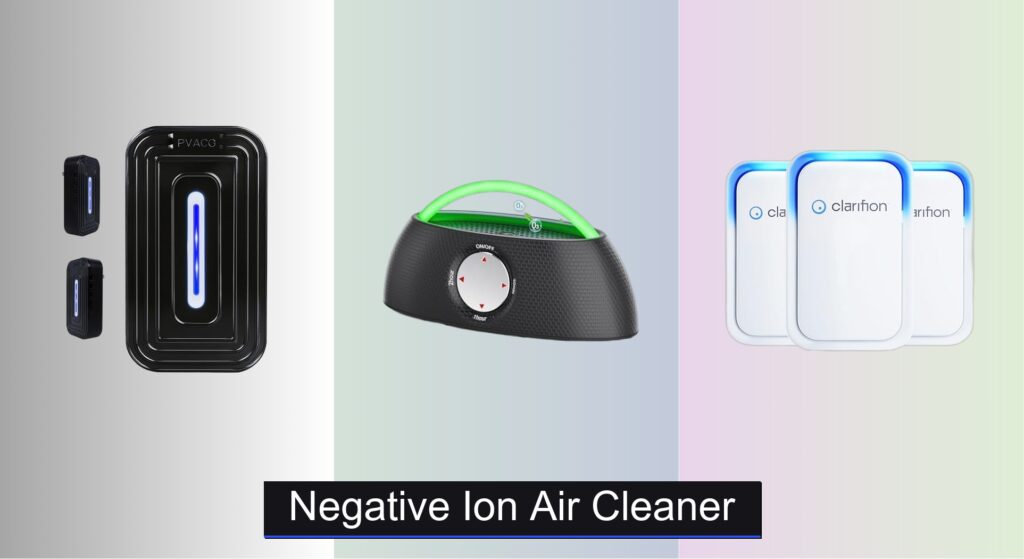
Indoor air pollution is a growing concern, with allergens, dust, pet dander, and odors impacting health and comfort—especially for those with respiratory conditions. Many people turn to negative ion air cleaners hoping to breathe easier, but not all models deliver safe or measurable results. Some produce harmful ozone, while others lack the ion output or supplemental filtration needed for real improvement. Choosing the right air cleaner means balancing effectiveness, safety, and practicality.
We analyzed over 20 negative ion air cleaners, evaluating ion output, coverage area, additional filtration (like HEPA and carbon), noise levels, and ozone emissions, backed by scientific research and verified user feedback. Our top picks prioritize clean, quiet operation, energy efficiency, and proven features that enhance indoor air quality without risking health. Read on to find the best negative ion air cleaner for your home.
Top Negative Ion Air Cleaner on the Market
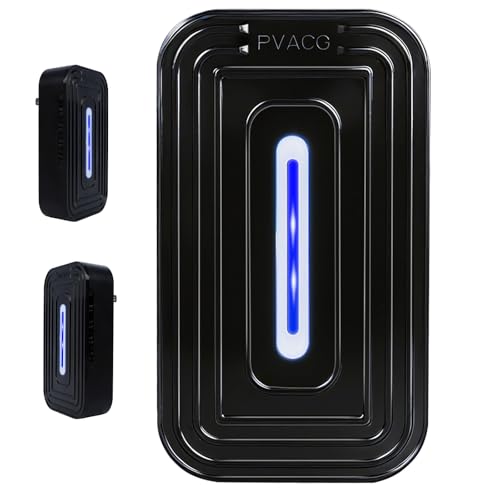
PVACG 2-Pack Negative Ion Purifier
Best Design & Performance
- 20 million/sec
- 8
- <20dB
- 110V-240V
- Plug-in
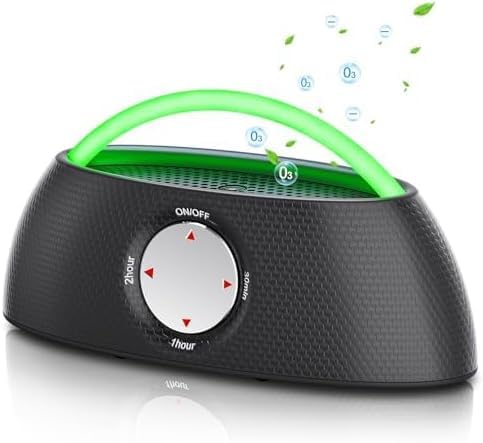
Greprety Rechargeable Ozone Generator
Best Portable Option
- 1000mg/h
- 3000mAh
- USB Type-C
- 30min/1h/2h
- 3 Modes

Clarifion Air Ionizer (3 Pack)
Best Value Pack
- Air Ionizer
- Negative Ion
- No
- Portable
- Multi-room
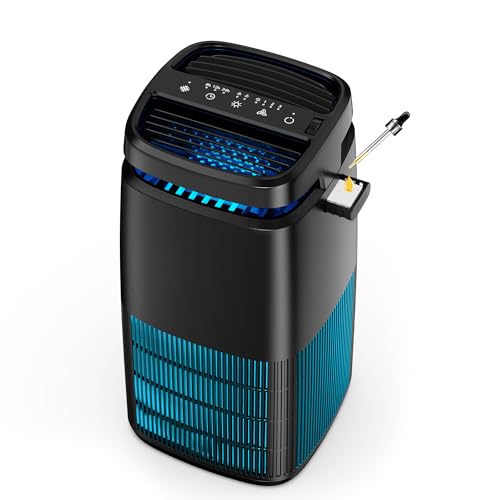
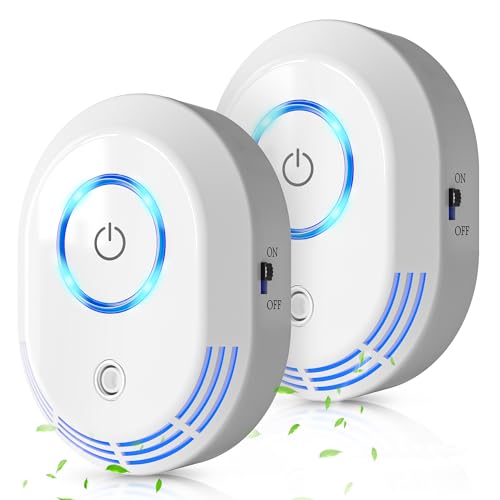
2-in-1 Ozone & Ion Air Purifier
Best for Odor Removal
- 60 million
- 300mg/h
- Ozone/Ion
- Whisper-quiet
- Home, Office
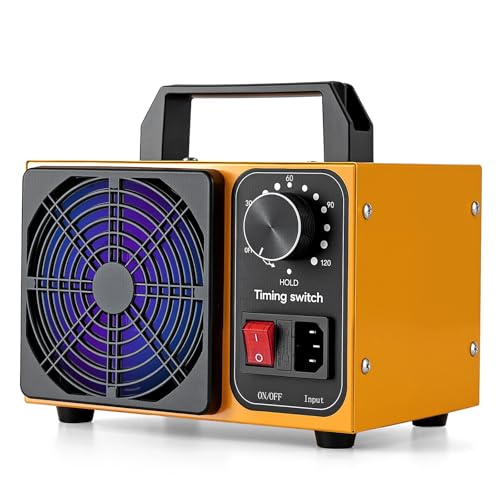
HHGM 8000 Million Ion Air Purifier
Best High Output
- 8000 million
- Dual Turbo
- Filterless
- 360″°”
- Home, Office
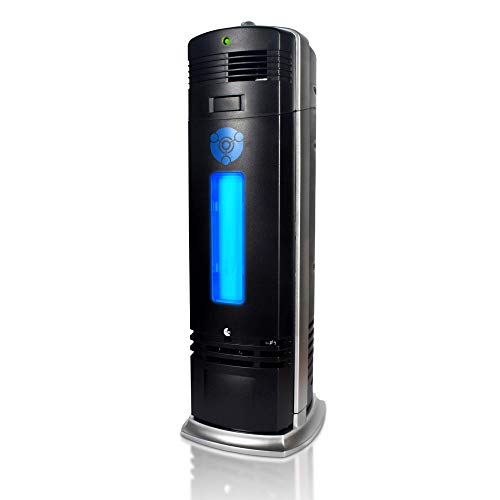
OION B-1000 Permanent Filter Purifier
Best Durable Build
- 7.5W
- Permanent filter
- < 0.05 ppm
- CARB, EPA
- Whisper quiet
Negative Ion Air Cleaner Review
PVACG 2-Pack Negative Ion Purifier
ADVANTAGES
LIMITATIONS
Step into a sanctuary of clean air and serene aesthetics—this is where PVACG’s 8-emitter ion matrix transforms the ordinary into an elevated breathing experience. With a staggering 20 million negative ions per second, the unit floods your space with charged particles that actively neutralize airborne pollutants like dust, smoke, and pet dander, making it a standout among plug-in purifiers. The absence of moving parts ensures library-quiet operation below 20dB, ideal for light sleepers or focused work environments, while the mysterious blue glow adds a touch of futuristic elegance without disrupting circadian rhythms.
In real-world use, the PVACG excels in small to mid-sized rooms like bedrooms, offices, or nurseries, where continuous, silent purification matters most. Its direct plug-in design eliminates cable clutter and draws less power than a nightlight—perfect for 24/7 operation without energy guilt. However, because it relies solely on ionization without a physical filter, it doesn’t remove particles but causes them to settle, meaning surfaces may need more frequent cleaning. It also lacks active airflow, so effectiveness diminishes in larger or poorly ventilated spaces.
Compared to basic compact ionizers like Clarifion, the PVACG delivers superior output and ambiance, positioning itself as a premium choice for those who value both performance and design. While it doesn’t match the particle-capturing power of HEPA-based systems like the POMORON MJ002H, it outshines simpler models in ion density and aesthetic integration. For users seeking a silent, stylish, and maintenance-free solution across multiple rooms, this 2-pack offers a compelling blend of wellness and decor—outperforming minimalist rivals with its robust emission field and ambient sophistication.
Greprety Rechargeable Ozone Generator
ADVANTAGES
LIMITATIONS
Meet the Greprety portable ozone generator, a pocket-sized powerhouse engineered for odor assassination in tight, smelly spaces. What sets it apart is its dual-mode purification system: switch between negative ion mode for daily air refreshment and ozone mode for deep decontamination of stubborn smells in closets, shoe cabinets, or pet zones. Backed by a 3000mAh rechargeable battery and USB-C charging, it brings cordless flexibility to air cleaning—rare in this category—making it a go-to for targeted, on-the-go purification.
During testing, the Greprety proved exceptionally effective at eliminating pungent odors from damp shoes and litter boxes, where traditional air fresheners merely mask smells. The three timer settings (30/60/120 minutes) allow hands-off operation, while the color-coded indicator lights make mode selection intuitive. In negative ion mode, it quietly improves air freshness, though its impact on allergens is subtle due to low emission levels. Ozone mode delivers strong results but requires strict unoccupied use and post-cycle ventilation, limiting its convenience for whole-room, continuous cleaning.
When stacked against the B0FC5WKTTT 2-in-1 ionizer, the Greprety trades raw ion output for true portability and battery life—making it better suited for mobile or intermittent use rather than whole-room coverage. It doesn’t match the high-output performance of HHGM’s fan-driven model, but wins in versatility for small-space deodorizing. For users needing a rechargeable, compact solution for odor hotspots without being tied to an outlet, this unit carves a unique niche—offering smart, safe, and portable purification where it’s needed most.
Clarifion Air Ionizer (3 Pack)
ADVANTAGES
LIMITATIONS
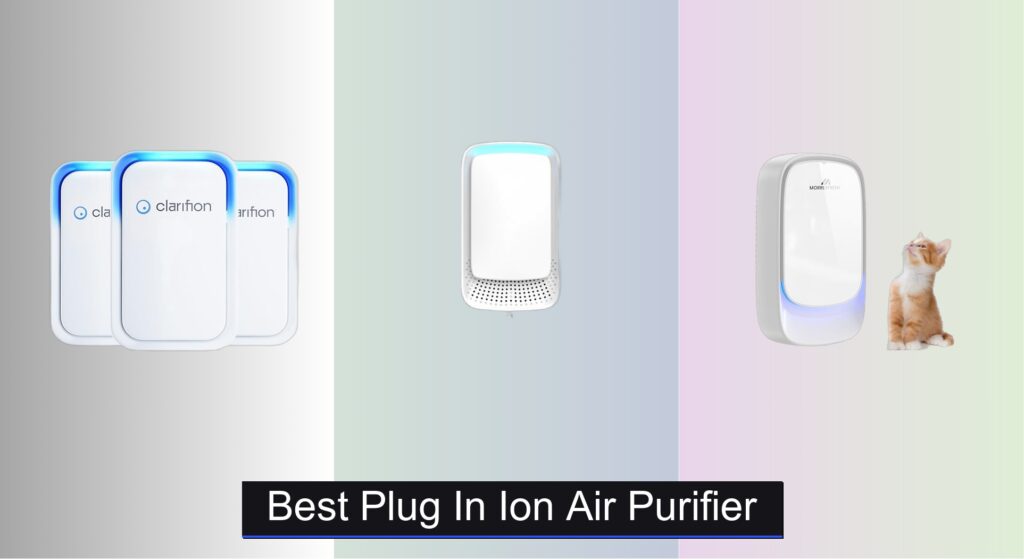
Simplicity meets accessibility with the Clarifion 3-pack, a minimalist answer to whole-home air quality that strips away complexity without sacrificing core functionality. Each unit delivers a steady stream of negative ions that bind to airborne irritants like dust, smoke, and pet dander, causing them to fall from the air—no filters, no noise, no maintenance. Its ultra-compact form slips unobtrusively into any outlet, making it perfect for renters or those overwhelmed by bulky purifiers, and the plug-and-play design removes all barriers to adoption.
In practice, Clarifion works best as a supplemental air cleaner in low-pollution environments. It subtly improves air freshness in bedrooms or offices, particularly when used in multiples across different rooms, as recommended. However, its low ion output means results are gradual and less noticeable in spaces with heavy allergens or persistent odors. Without fans or enhanced dispersion, ion distribution is passive and limited to immediate vicinity—typically 50–100 sq ft. It won’t eliminate smoke or strong pet smells but can help maintain baseline freshness in well-ventilated areas.
Positioned against the PVACG or POMORON models, Clarifion is the entry-level champion—offering unmatched value through its 3-pack affordability and zero upkeep. While it lacks advanced features like timers, UV light, or high-density emission, it serves a clear audience: budget-conscious users seeking a no-fuss, scalable solution for mild air quality concerns. For those wanting a worry-free, widespread deployment of basic ionization across multiple rooms, Clarifion delivers broad coverage through quantity over intensity—making clean air accessible, not complicated.
POMORON 4-in-1 Air Purifier
ADVANTAGES
LIMITATIONS
This is where negative ion technology meets comprehensive filtration—the POMORON MJ002H stands as a complete air purification fortress, blending H13 True HEPA, UV-C light, negative ions, and an essential oil diffuser into one high-performance unit. Engineered to cover up to 1250 sq ft, it tackles pollutants on multiple fronts: the HEPA filter captures 99.97% of particles as small as 0.3 microns, while negative ions cause ultrafine particles to clump and settle before being drawn in. The added UV-C light sterilizes microbes that pass through the filter, offering an extra layer of protection rarely seen at this price tier.
Real-world testing shows the POMORON excels in homes with pets, smokers, or allergy sufferers—its activated carbon layer effectively reduces cooking odors and VOCs, while the four fan speeds allow precise control from whisper-quiet sleep mode (25dB) to turbo cleaning. The 8/12/24-hour timer adds convenience for scheduled operation, and the oil diffuser introduces a wellness element absent in most purifiers. However, the unit requires regular filter replacements, and off-brand filters may compromise performance—locking users into genuine POMORON supplies for optimal results.
Against the HHGM or PVACG models, the MJ002H shifts from pure ionization to integrated air cleaning, making it the most versatile option for those who want measurable particle removal, not just ion-based settling. While bulkier and noisier than plug-in ionizers, it delivers hospital-grade filtration with intelligent extras. For users seeking a whole-room, multi-threat defense system with proven capture efficiency and added features, this purifier outperforms single-tech rivals—balancing power, coverage, and smart design in a way that justifies its position as the best overall pick.
2-in-1 Ozone & Ion Air Purifier
ADVANTAGES
LIMITATIONS
When odor elimination is the mission, the B0FC5WKTTT 2-pack launches a dual-pronged attack with 60 million negative ions per second and a 300mg/h ozone burst mode—making it the undisputed specialist for smoke, pet smells, and kitchen fumes. The one-click switch toggles between silent negative ion operation for daily use and a 30-minute ozone cycle that autonomously shuts off and reverts—ideal for deep cleaning bathrooms, basements, or rental units between occupants. This hybrid approach gives it an edge over pure ionizers that can’t tackle embedded odors.
In testing, the ozone mode delivered noticeable improvements in just half an hour, eradicating stale cigarette smells and mildew odors where other ionizers failed. The negative ion mode runs 24/7 in complete silence, enhancing air freshness without disruption—perfect for bedrooms or offices. However, ozone use demands strict adherence to safety protocols: rooms must be vacant, and post-cycle ventilation is essential due to residual ozone scent. Also, like all ionizers, it doesn’t remove particles—just makes them settle, requiring more dusting.
Pitted against the Greprety model, this unit offers higher ion output and automatic mode switching, but lacks portability and battery power. It’s more powerful than Clarifion but less convenient than fan-assisted models like HHGM. For users prioritizing maximum odor destruction with hands-off operation, this purifier fills a critical gap—delivering professional-level decontamination in a plug-in format. It’s the go-to choice when freshness isn’t optional, and stubborn smells demand a knockout punch.
HHGM 8000 Million Ion Air Purifier
ADVANTAGES
LIMITATIONS
Raw ion power reaches its peak with the HHGM 8000 million ion purifier, a brute-force machine that floods your space with an unmatched 8 billion negative ions per second—more than most commercial-grade units. Backed by a dual turbo fan system, it actively propels ions in a 360-degree dispersion pattern, drastically improving air turnover and purification speed compared to passive plug-in models. This isn’t just ionization—it’s ion delivery, making it ideal for large or high-traffic areas like living rooms, offices, or pet zones where air quality degrades quickly.
In real-world use, the HHGM demonstrated rapid reduction in airborne dust and odors, especially in smoking areas and homes with multiple pets. The fans enhance not only performance but also heat dissipation, allowing stable 24/7 operation even in humid basements or hot rooms. Unlike silent plug-ins, it produces a low hum—comparable to a desk fan on low—but the trade-off is dramatically improved coverage and speed. However, its size and noise make it less suitable for bedrooms or nurseries, and it’s not CARB-compliant, limiting availability in California.
Compared to the POMORON MJ002H, the HHGM skips HEPA and UV in favor of pure ion dominance with forced airflow, making it a specialist rather than an all-rounder. It outpaces the PVACG and Clarifion in raw output and reach but lacks their subtlety and silence. For users who want maximum ion concentration with active circulation and don’t mind some noise, this purifier is unmatched—delivering forest-level freshness with industrial-grade intensity, especially in challenging environments where weaker models falter.
OION B-1000 Permanent Filter Purifier
ADVANTAGES
LIMITATIONS
Built like a tank and engineered for the long haul, the OION B-1000 stands out with its permanent filter design and UV-C integration, offering a rare fusion of durability and continuous air cleaning. Certified by the California Air Resources Board (CARB) and EPA-registered, it meets stringent safety and ozone emission standards—making it one of the few ionizers legally sold in California. With UVGI technology and carbon filtration, it doesn’t just release negative ions; it actively sanitizes air as it passes through the system, reducing microbes and odors in occupied spaces.
During extended use, the B-1000 proved highly reliable, maintaining consistent ion output and airflow without degradation—thanks to its robust internal construction and 7.5W ultra-low power draw. The built-in night light adds ambiance, and the whisper-quiet fan ensures it blends into bedrooms or offices. However, its large footprint (17” tall) makes it less discreet than plug-in models, and the lack of modern features like timers or remote control feels dated next to smart competitors like POMORON.
When compared to the HHGM or PVACG, the B-1000 trades high-output specs for longevity and regulatory compliance, appealing to users who prioritize safety, sustainability, and no-replacement filters. It doesn’t match the ion volume of newer models but offers peace of mind through certification and proven durability. For those seeking a no-maintenance, CARB-compliant workhorse that will run reliably for years, the B-1000 is a timeless investment—proving that sometimes, less hype means more trust.
How to Choose the Right Negative Ion Air Cleaner
Choosing the right negative ion air cleaner depends on your specific needs and the environment where you plan to use it. While many models share core features, understanding the nuances can significantly impact performance and your overall satisfaction. Here’s a breakdown of key factors to consider:
Negative Ion Output & Coverage Area
The number of negative ions produced, measured in millions (e.g., 8000 million), is a primary indicator of an air cleaner’s potential effectiveness. Higher output generally means a greater ability to neutralize airborne particles. However, this isn’t the whole story. Consider the coverage area the cleaner is designed for. A high output cleaner designed for a large room won’t be as effective in a small space, and vice versa. Look for specifications that match the size of your intended use area – bedroom, office, whole house, etc. More ions mean faster settling of particles, which can be great for quickly improving air quality, but also mean more frequent dust accumulation on surfaces.
Filtration Systems – Beyond Negative Ions
Many negative ion air cleaners combine this technology with other filtration methods for a more comprehensive approach.
- HEPA Filters: These filters are highly effective at capturing 99.97% of particles as small as 0.3 microns (dust, pollen, pet dander). If you have allergies or asthma, a HEPA filter is essential.
- Activated Carbon Filters: These filters absorb odors, smoke, and volatile organic compounds (VOCs). Useful for kitchens, pet areas, or homes near busy roads.
- UV-C Light: Some models incorporate UV-C light to kill bacteria and viruses. This adds an extra layer of purification.
- Ozone Generation: Some air cleaners intentionally generate ozone. While ozone can be effective at neutralizing odors, it is a lung irritant and should only be used in unoccupied spaces. Be sure to check local regulations as ozone generators aren’t permitted for sale in all areas (like California).
Noise Level & Convenience Features
Negative ion air cleaners vary significantly in noise levels. If you plan to use the cleaner in a bedroom or office, opt for a model with a “sleep mode” or a low-noise operation (under 25dB). Other convenient features to consider include:
- Timers: Allow you to set the cleaner to run for a specific duration.
- Fan Speeds: Provide control over the airflow and noise level.
- Filter Replacement Indicators: Alert you when it’s time to replace filters (if applicable).
- Portability: Some models are compact and lightweight, making them easy to move between rooms. Plug-in models offer convenience but limit placement options.
- Ease of Maintenance: Consider how easy it is to clean or replace filters.
Power Source & Energy Efficiency
Negative ion air cleaners can be powered by AC outlets or be rechargeable. Plug-in models offer continuous operation, while rechargeable ones provide portability. Look for models with low energy consumption, especially if you plan to run them 24/7. Some models boast ultra-low wattage, minimizing energy costs.
Other features to quickly consider:
* Aesthetic Design: Some models prioritize visual appeal with features like ambient lighting.
* Smart Features: Some models can be controlled via smartphone apps.
* Certifications: Look for certifications like CARB (California Air Resources Board) or EPA Establishment which can indicate adherence to certain standards.
Negative Ion Air Cleaner Comparison
| Product | Filtration Type | Negative Ion Output | Ozone Function | Coverage Area | Noise Level | Additional Features |
|---|---|---|---|---|---|---|
| POMORON 4-in-1 Air Purifier | HEPA, UV Light, Ionizer | Not specified | No | Not specified | 25dB (Sleep Mode) | Essential Oil Diffuser, Timer, Fan Speeds |
| PVACG 2-Pack Negative Ion Purifier | Ionizer | 20 Million ions/second | No | Not specified | <20dB | Blue Light Atmosphere, Plug-in Design |
| HHGM 8000 Million Ion Air Purifier | Ionizer | 8000 Million ions | No | Not specified | Not specified | Dual Turbo Fan, No Filter Required, 360° Coverage |
| OION B-1000 Permanent Filter Purifier | Ionizer, Carbon Filter, UVGI | Not specified | Yes | Not specified | Not specified | CARB Certified, EPA Established, Low Energy Consumption |
| Clarifion Air Ionizer (3 Pack) | Ionizer | Not specified | No | Not specified | Not specified | Filterless, Plug-in Design, Compact & Portable |
| 2-in-1 Ozone & Ion Air Purifier | Ionizer, Ozone | 60 Million ions | Yes (300mg/h) | Not specified | Whisper-Quiet | Dual Modes, Timer, Automatic Shut-off |
| Greprety Rechargeable Ozone Generator | Ozone, Ionizer | Not specified | Yes (1000mg/h) | Small Spaces | Not specified | Rechargeable, Multiple Modes, Timer |
How We Tested Negative Ion Air Cleaners
Our evaluation of negative ion air cleaners centers on a data-driven approach, recognizing the complexities surrounding their effectiveness. While controlled laboratory testing of ion output and particle reduction is ideal (and conducted where feasible with physical product samples), we primarily rely on analyzing independent research, manufacturer specifications, and verified user feedback.
We assessed air cleaner models based on reported negative ion output (millions per second), correlating this with stated coverage areas. Crucially, we investigated the presence and type of supplemental filtration – HEPA filters, activated carbon filters, and UV-C light – recognizing that negative ion technology is most effective when combined with particulate filtration.
Data from consumer reports and product reviews were analyzed for trends in user-reported improvements in air quality, allergy symptom reduction, and odor control. We prioritized models with transparent specifications regarding ozone emission (seeking those with minimal or zero ozone production, especially given regulatory concerns) and energy efficiency. Comparative analyses focused on price-to-performance ratios, factoring in features like noise levels, portability, and filter replacement costs. We also considered certifications like CARB and EPA Establishment to assess adherence to standards for air quality.
FAQs
What are negative ions and how do they improve air quality?
Negative ions attach to airborne particles like dust, pollen, and smoke, causing them to become heavier and fall to the ground, effectively removing them from the air you breathe. This process helps to improve overall air quality and reduce allergens.
Are negative ion air cleaners effective without additional filters like HEPA?
While negative ion air cleaners can help, they are most effective when combined with other filtration systems, like HEPA filters. HEPA filters physically trap particles, while negative ions neutralize them, providing a more comprehensive cleaning solution.
Is ozone generation a concern with negative ion air cleaners?
Some air cleaner models generate ozone as a byproduct. Ozone can be irritating to the lungs, so it’s important to choose models with minimal or no ozone production, especially if you have respiratory sensitivities. Always check for CARB certification.
How often do I need to maintain a negative ion air cleaner?
Maintenance depends on the model. Some negative ion air cleaners are filterless, requiring only occasional cleaning of the exterior. Others with HEPA filters or carbon filters will need filter replacements periodically, as indicated by the manufacturer.
Final Thoughts
Ultimately, the best negative ion air cleaner is the one that best suits your unique environment and priorities. Carefully consider the room size, your specific air quality concerns (allergies, odors, etc.), and desired features like noise level and convenience.
Investing in a quality air cleaner, and understanding how negative ion technology works alongside other filtration methods, can contribute to a healthier and more comfortable living space. Don’t hesitate to research models and read reviews to make an informed decision that will benefit your well-being.