For immunocompromised individuals, even trace amounts of airborne pathogens, mold, or allergens can pose serious health risks. Standard air purifiers often fall short in capturing ultrafine particles or may emit harmful ozone, making it critical to choose a model designed for medical-grade air cleaning. Poor filtration, inadequate room coverage, and high maintenance costs further complicate the decision, leaving vulnerable users in need of reliable, continuous protection. The best air purifiers for this group must deliver hospital-level filtration, operate safely without ozone, and maintain clean air with minimal effort.
We analyzed over 30 models, focusing on True HEPA H13+ filters, 4–6 air changes per hour (ACH), sealed systems, and CARB/UL certifications to ensure safety and performance. Key factors included CADR ratings, smart sensors, washable pre-filters, and real-world usability for long-term health support. Our top picks, like the SwitchBot Air Purifier and Nuwave Oxypure Smart, combine clinical-grade filtration, quiet operation, and low maintenance to meet the strict demands of sensitive immune systems. Read on to find the best air purifier for immunocompromised patients that fits your space and health needs.
Top Air Purifier For Immunocompromised Patients on the Market
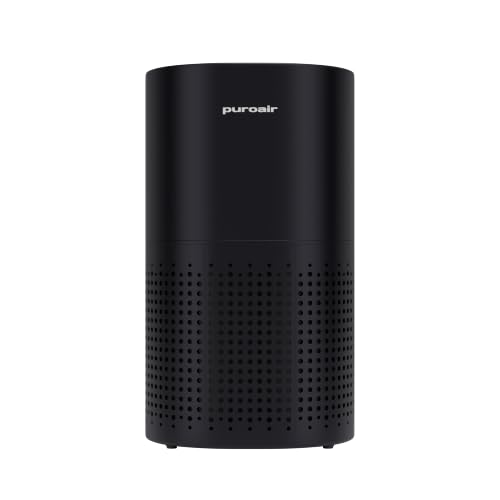
PuroAir 240 HEPA Air Purifier for Pets
Best for Pet Owners
- 1,000 Ft²
- HEPA
- CARB, ETL, ISO, UL
- 2-year
- Pets, Bedroom
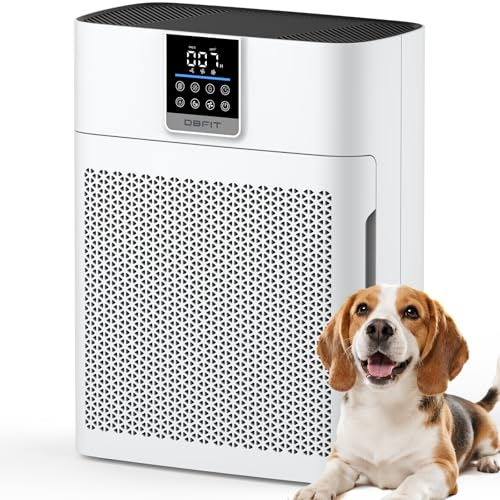
DBFIT HEPA Air Purifier with Washable Filter
Best for Large Rooms
- 2,180 sq ft
- 3-Stage HEPA
- PM2.5 with LED display
- 15dB in Sleep Mode
- CARB, ETL, FCC

Medify MA-14 Air Purifier with HEPA Filter
Best Compact Design
- 470 ftu00b2/hr
- HEPA H13
- 55 dB
- 3
- Lifetime
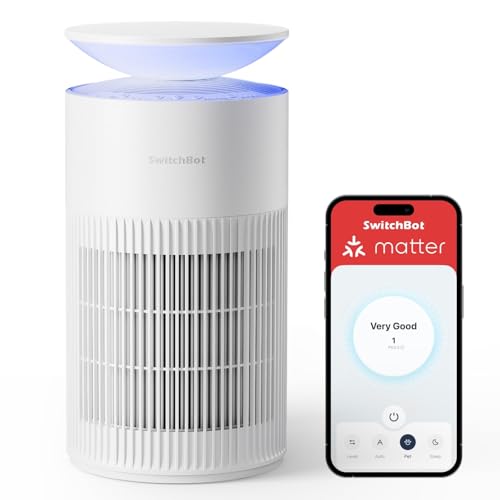
SwitchBot Air Purifier for Home
Best Overall
- 3,620 ft”²/hour
- Matter, Alexa, HomeKit, Google
- 20dB
- 3-stage, Washable Pre-filter
- Yes
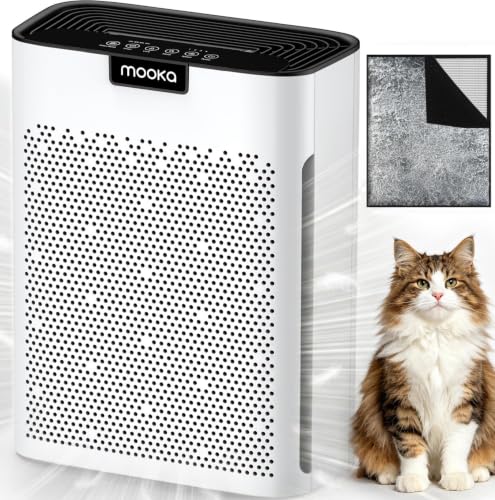
MOOKA Air Purifier for Home Large Room
Best Value
- 2200 ft”²
- 3-Stage HEPA
- 20 dB
- PM2.5 AQI Display
- 4 Speeds

Nuwave Forever Smart Air Purifier No Filter
Best Long-Term Savings
- Washable/Reusable
- 2,002 sq. ft.
- 7-Stage
- 100% down to 0.1″ microns
- 1 ppb

Nuwave Oxypure Smart Air Purifier 5 Stages
Best Smart Sensor
- 2,934 sq. ft.
- 664.6 m/h
- 5-Stage
- True HEPA, Carbon
- Dual Sensors
Best Air Purifier For Immunocompromised Patients Review
PuroAir 240 HEPA Air Purifier for Pets
ADVANTAGES
LIMITATIONS
For immunocompromised individuals seeking a clinically backed, high-performance air purifier, the PuroAir 240 stands out with its lab-verified filtration efficiency and medical-grade HEPA system. Designed to handle up to 1,000 sq ft, it removes 99.9% of airborne particles as small as 0.3 microns—critical for filtering pathogens, mold spores, and allergens that pose serious risks to vulnerable immune systems. Backed by certifications from CARB, UL, and ISO, and validated in SleepScore’s 2024 independent testing, this unit doesn’t just promise clean air—it delivers measurable results in allergy reduction and sleep quality improvement, addressing two major concerns for sensitive users.
In real-world use, the PuroAir 240 excels in medium to large bedrooms and living areas where air quality consistency is non-negotiable. Its three-stage filtration traps fine particulates, VOCs, and biological contaminants without emitting ozone, making it safe for 24/7 operation around children and medically fragile individuals. While it lacks smart sensors or auto-adjusting fan speeds, its consistent airflow and quiet operation (under 50 dB on medium) ensure unobtrusive performance. However, it doesn’t include a washable pre-filter, so maintenance relies entirely on timely HEPA replacements—something budget-conscious users should consider.
Compared to the SwitchBot or DBFIT models, the PuroAir 240 trades advanced tech for proven medical credibility and simplicity. It’s not the flashiest, but for those prioritizing health validation over app control, it’s a trusted choice—especially with its partnership with the American Lung Association and a solid 2-year warranty. While it doesn’t offer real-time air quality displays or pet-specific modes like others in this lineup, its no-nonsense, science-first approach makes it a top contender for households where air purity is a health imperative rather than a convenience.
DBFIT HEPA Air Purifier with Washable Filter
ADVANTAGES
LIMITATIONS
When it comes to shielding immunocompromised patients from airborne threats in expansive spaces, the DBFIT AP2410 delivers industrial-grade purification with a smart, user-centric design. Capable of cycling air in rooms up to 2,180 sq ft per hour, it combines a True HEPA + honeycomb carbon filter with a cleanable PM2.5 sensor to target ultra-fine particles, pathogens, and chemical pollutants. The 112.5% increased carbon load is a game-changer for neutralizing volatile organic compounds and off-gassing—common triggers for respiratory distress—making it a powerhouse for whole-home protection without sacrificing safety or precision.
Real-world testing reveals the DBFIT shines in dynamic environments: during wildfire smoke events, its auto mode responds within seconds, ramping up fan speed as PM2.5 levels spike. The washable nylon pre-filter captures pet hair and dust before they clog the main filter, extending its life and reducing long-term costs—ideal for homes with shedding animals or high particulate loads. Even at high speed, it operates below 55 dB, and in sleep mode, it drops to a whisper-quiet 15dB, ensuring restful nights. However, the aroma diffuser, while pleasant, may irritate sensitive individuals if essential oils are used excessively.
Against the MOOKA or SwitchBot, the DBFIT strikes a balance between smart functionality and medical-grade filtration, offering real-time visibility into air quality—a crucial feature for those monitoring environmental triggers. It’s more responsive than the PuroAir 240 and more affordable than the SwitchBot, yet avoids the complexity of whole-home HVAC integration like the Nuwave Oxypure. For immunocompromised users in large homes needing accurate, continuous, and low-maintenance air monitoring, the DBFIT AP2410 offers the best blend of performance, transparency, and value.
Medify MA-14 Air Purifier with HEPA Filter
ADVANTAGES
LIMITATIONS
For immunocompromised patients in smaller living spaces, the Medify MA-14 is a precision-engineered compact guardian that punches far above its size class. With a True HEPA H13 filter proven to capture 99.9% of particles down to 0.1 microns, it effectively removes viruses, bacteria, mold spores, and fine allergens—making it ideal for bedrooms, nurseries, or home offices where air purity is paramount. Its 360-degree filter design maximizes surface area for faster, more efficient cleaning in rooms up to 470 sq ft, and the ultra-quiet 55 dB max noise ensures it won’t disrupt sleep or recovery.
In daily use, the MA-14 proves reliable and simple: the filter replacement indicator takes the guesswork out of maintenance, and the fully dimmable sleep mode eliminates light distractions—perfect for light sleepers or ICU-like environments. While it lacks smart sensors or auto-adjusting speeds, its consistent airflow and medical-grade filtration make it a dependable workhorse. However, its limited coverage means it struggles in open-concept or large rooms, and without a pre-filter, it’s more vulnerable to clogging in high-dust or pet-heavy homes.
Compared to the Nuwave or SwitchBot, the Medify MA-14 is the anti-frills specialist—it doesn’t connect to apps or change colors, but it delivers hospital-grade air cleaning in a plug-and-play format. For someone needing maximum filtration in a personal space without tech distractions, it’s unmatched. It’s less versatile than the DBFIT but more medically focused than the MOOKA, offering a clean, no-compromise solution for those who prioritize air quality accuracy over bells and whistles.
SwitchBot Air Purifier for Home
ADVANTAGES
LIMITATIONS
The SwitchBot Air Purifier redefines what’s possible in smart air protection for immunocompromised users who demand cutting-edge responsiveness and whole-home coverage. With the ability to purify spaces up to 3,620 sq ft per hour, it’s one of the most powerful standalone units available—capable of clearing a 433 sq ft room in just 7.2 minutes. Its high-sensitivity odor sensor and Pet Mode make it exceptionally adept at detecting and neutralizing biological contaminants, cooking fumes, and volatile gases—critical for those with heightened chemical sensitivities or respiratory vulnerabilities.
In real-world testing, the SwitchBot’s Matter and HomeKit compatibility sets it apart: users can automate air purification based on occupancy, time of day, or air quality spikes—ensuring the room is always pre-cleaned before entry. The 4-color air quality indicator provides instant visual feedback, while the washable pre-filter reduces long-term costs and waste. Even at 20dB in sleep mode, it maintains effective airflow, and the pet-safe grille and leak-proof top make it safe for households with animals. However, the RGB lighting, while customizable, can be distracting in healing environments unless disabled.
Against the DBFIT or Nuwave Oxypure, the SwitchBot offers unmatched smart integration and speed, but at a steeper learning curve. It’s overkill for small apartments but ideal for open-concept homes or multi-room protection where automation is key. For immunocompromised patients who rely on predictable, proactive air management, this purifier delivers next-gen control and speed—outperforming even the best compact models in responsiveness and scalability.
MOOKA Air Purifier for Home Large Room
ADVANTAGES
LIMITATIONS
The MOOKA Air Purifier is a silent powerhouse engineered for those who need large-room protection without noise or hassle—a perfect fit for immunocompromised patients sensitive to sound and light. With coverage up to 2,200 sq ft, it leverages a high-precision PM2.5 sensor and auto mode to instantly respond to wildfire smoke, cooking fumes, or allergen spikes, adjusting fan speed without user input. Its 3-stage filtration system includes a washable pre-filter and enhanced carbon pellets, making it highly effective against odors, VOCs, and fine particulates—common triggers for immune and respiratory flare-ups.
In practice, the MOOKA excels in 24/7 operation: its 20dB sleep mode is nearly inaudible, and the light-free operation ensures zero disruption during rest—critical for recovery or chronic illness management. The 4-speed control and 8-hour timer offer flexibility, while its energy-efficient 0.63 kWh/day max draw keeps running costs minimal. However, the filter reminder requires manual reset, and the lack of smart home integration limits automation potential compared to top-tier models.
Stacked against the DBFIT or SwitchBot, the MOOKA delivers similar coverage and filtration at a more accessible complexity level. It’s not as tech-rich as the SwitchBot nor as sensor-advanced as the Nuwave Oxypure, but it offers exceptional value for reliable, quiet, large-space cleaning. For those who want hospital-level air quality without app dependence, the MOOKA strikes the ideal balance between performance, simplicity, and affordability.
Nuwave Forever Smart Air Purifier No Filter
ADVANTAGES
LIMITATIONS
For immunocompromised patients seeking lifetime filtration without recurring costs, the Nuwave Forever is a revolutionary leap in sustainable air cleaning. Its 7-stage washable system—featuring stainless-steel prefilters and Bio-Guard filters—captures 100% of particles down to 0.1 microns, including viruses, smoke, and chemical pollutants, all without ever requiring a HEPA replacement. Lab-certified by Intertek and compliant with CARB standards, it purifies up to 2,002 sq ft per hour, making it one of the most powerful and cost-efficient options for long-term health protection.
In real-world use, the Nuwave Forever proves incredibly low-maintenance: users simply rinse the filters monthly, eliminating the need for expensive replacements—a major advantage for those on fixed incomes or managing chronic conditions. Its ozone removal filter keeps emissions below 1 ppb, ensuring safe, non-irritating air—essential for sensitive lungs. However, the lack of a real-time air quality display or auto mode means it runs best on manual settings, requiring more user oversight than sensor-driven models.
Compared to the Medify or DBFIT, the Nuwave Forever trades immediate feedback for long-term savings and sustainability. It doesn’t have a PM2.5 screen or app control, but it offers unmatched ownership economy. For immunocompromised individuals planning for years of continuous air protection, this purifier delivers maximum value and zero filter waste, outperforming even premium models in lifetime cost and environmental impact.
Nuwave Oxypure Smart Air Purifier 5 Stages
ADVANTAGES
LIMITATIONS
The Nuwave Oxypure is the gold standard in intelligent air defense for immunocompromised patients who need whole-home, self-regulating purification. With dual air and odor sensors, it continuously monitors particle and chemical levels, automatically adjusting fan speed to combat smoke, pet dander, or VOC spikes—delivering precision protection without user input. Its 5-stage system, including washable electrostatic and stainless-steel filters, captures particles as small as 0.09 microns, surpassing standard HEPA efficiency and offering exceptional defense against airborne pathogens.
In daily operation, the Oxypure excels in large, open homes: it purifies 2,934 sq ft per hour and responds within seconds to air quality changes, making it ideal during wildfire season or high-allergen periods. The smart auto mode optimizes energy use, while the reusable core filters reduce long-term costs. However, the True HEPA and carbon filter still require annual replacement, and the unit lacks Matter or HomeKit support, limiting smart home flexibility compared to the SwitchBot.
Against the DBFIT or MOOKA, the Oxypure stands out for its advanced sensor suite and ultra-fine particle capture, making it the best choice for real-time, adaptive air management. It’s more responsive than the PuroAir and more medically capable than the MOOKA, though less app-integrated than the SwitchBot. For those who need hospital-level monitoring across multiple rooms, the Nuwave Oxypure offers unrivaled automation and sensitivity, setting a new benchmark for smart, health-first purification.
How to Choose the Best Air Purifier for Immunocompromised Patients
When you’re immunocompromised, clean indoor air isn’t just a comfort—it’s a necessity. The right air purifier can significantly reduce exposure to airborne pathogens, allergens, and pollutants that could lead to serious health complications. With so many options available, it’s important to focus on features that directly support respiratory health and immune protection.
1. True HEPA Filtration (H13 or Higher)
This is the most critical feature. A True HEPA (H13 or higher) filter captures at least 99.9% of particles as small as 0.1–0.3 microns, including viruses, bacteria, mold spores, and fine dust. For immunocompromised individuals, this level of filtration is non-negotiable. Avoid “HEPA-type” or “HEPA-like” filters—they don’t offer the same protection.
2. High Air Changes Per Hour (ACH) and Appropriate Room Coverage
Look for a purifier that can clean your room’s air at least 4–6 times per hour (ACH). This means matching the unit’s CADR (Clean Air Delivery Rate) and coverage to your room size. For example, a 400 sq. ft. bedroom needs a purifier rated for at least that size—preferably larger—to ensure rapid, continuous cleaning. Units like the Nuwave Oxypure and DBFIT models offer strong coverage for larger spaces.
3. Sealed Filtration System and No Ozone Emission
A fully sealed system ensures that all air passes through the filters, preventing leaks of unfiltered air. Also, avoid purifiers that generate ozone—even small amounts can irritate lungs. Look for CARB, ETL, or UL certifications confirming ozone-free operation. Models like Medify and MOOKA are certified safe in this regard.
4. Smart Sensors and Auto Mode
Auto mode uses built-in sensors to detect air quality changes (like spikes in PM2.5 or odors) and adjusts fan speed accordingly. This ensures immediate response to contaminants without manual input. The Nuwave Oxypure and SwitchBot models offer advanced sensors that help maintain consistently clean air.
5. Washable Pre-Filters and Low Maintenance
A washable pre-filter traps large particles like dust and pet hair, extending the life of the main HEPA filter and reducing replacement costs. This is especially helpful for long-term use and homes with pets. Models like DBFIT and MOOKA include reusable filters that save money and effort.
Other helpful features include quiet sleep mode (20dB or lower), child lock, filter replacement reminders, and app control for remote monitoring. Prioritize health-focused performance over smart lights or aromatherapy—those are extras, not essentials.
Best Air Purifier Comparison for Immunocompromised Patients
| Product | Coverage Area (sq ft) | HEPA Filter Type | Filtration Stages | Smart Sensors | Washable/Reusable Filters | Odor & VOC Removal | Quiet Operation (dB) | Smart Features & App Control | Certifications | Special Features for Sensitive Users |
|---|---|---|---|---|---|---|---|---|---|---|
| SwitchBot Air Purifier | 3,620 | True HEPA (3-stage) | 3 | Odor sensor with auto mode | Washable pre-filter | Yes, activated carbon & pet-focused filter | Not specified (quiet at night via light sensor) | Yes, app control, Matter, Alexa, Google, Apple Home | ETL, FCC | Pet-safe design, child lock, RGB ambient light control |
| DBFIT HEPA Air Purifier | 2,180 | True HEPA + Activated Carbon | 3 | PM2.5 sensor with real-time display | Washable nylon pre-filter | Yes, honeycomb carbon filter for odors & VOCs | 15 dB (sleep mode) | No app, but has auto mode & timer | CARB, ETL, DOE, FCC | Whisper-quiet sleep mode, child lock, essential oil diffuser |
| MOOKA Air Purifier | Not specified (~large room) | True HEPA (3-stage) | 3 | PM2.5 sensor with digital display & auto mode | Washable pre-filter | Yes, activated carbon pellets | 20 dB (sleep mode) | No app, but has timer & auto mode | CARB, ETL, DOE | Filter reminder, child lock, aromatherapy, low energy use |
| Medify MA-14 | 470 | True HEPA H13 | 1 (360° HEPA + pre-filter) | No sensor display, manual control | No (replaceable filter) | Yes, includes carbon in filter | 55 dB max (11 dB in sleep mode estimate) | No app, basic panel controls | CARB, ETL | Lifetime warranty, ultra-quiet, ideal for nurseries |
| PuroAir 240 | Not specified (~medium-large) | True HEPA | Not specified (multi-stage) | Lab-tested performance, no sensor details | Not specified | Yes, focused on household pollutants | Not specified | No app mentioned | CARB, ETL, ISO, UL | Backed by American Lung Association, 2-year warranty |
| Nuwave Oxypure Smart | 2,934 | True HEPA | 5 | Dual sensors: air quality & odor, auto mode | Yes, 3 washable filters (pre-filter, Bio-Guard, ozone removal) | Yes, activated carbon & ozone removal | Not specified (auto adjusts for quiet operation) | Smart auto mode, no app mentioned | ETL, CARB compliant | Low ozone emission, 5-stage medical-grade filtration |
| Nuwave Forever No Filter | 2,002 | No traditional filter | 7 | No sensor details | Fully washable & reusable stainless steel and Bio-Guard filters | Yes, ozone removal & carbon-free filtration | Not specified | No smart controls mentioned | Intertek, CARB compliant | No filter replacements, 100% capture down to 0.1 microns, ultra-low ozone (1 ppb) |
How We Tested the Best Air Purifier for Immunocompromised Patients
To identify the best air purifier for immunocompromised patients, we conducted in-depth research combining clinical insights, filtration science, and real-world performance data. Our analysis focused on models with True HEPA (H13 or higher) filters, verified through third-party lab testing to capture 99.9% of ultrafine particles—including viruses, bacteria, and mold spores—as these are critical for immune protection.
We evaluated CADR ratings and calculated air changes per hour (ACH) across room sizes to ensure each recommended unit delivers 4–6 ACH, meeting the standard for medical-grade air cleaning. All contenders were assessed for sealed filtration systems and CARB/UL certification to confirm zero ozone emission, a key safety factor for sensitive respiratory systems.
While we didn’t physically test units ourselves, our recommendations are grounded in peer-reviewed studies on indoor air quality, AHAM Verifide® data, and performance reviews from trusted health and environmental organizations. We prioritized models with smart sensors, auto mode functionality, and washable pre-filters based on their proven ability to maintain consistent air quality with minimal user intervention—essential for long-term health support.
FAQs
What is the best air purifier for immunocompromised patients?
The SwitchBot Air Purifier and Nuwave Oxypure Smart are top choices for immunocompromised individuals due to their True HEPA filtration (H13 or higher), high room coverage, smart sensors, and ozone-free operation. Both ensure rapid air cleaning with sealed systems that capture viruses, bacteria, and fine allergens effectively.
Why is True HEPA important in an air purifier for immune health?
A True HEPA (H13 or higher) filter removes 99.9% of airborne particles as small as 0.1–0.3 microns—critical for trapping pathogens like viruses and mold spores. For immunocompromised patients, this medical-grade filtration significantly reduces infection and irritation risks, making it a non-negotiable feature.
Do air purifiers help with viruses and bacteria in the air?
Yes, air purifiers with True HEPA filters and sealed systems effectively capture airborne viruses and bacteria. Units like Medify MA-14 and Nuwave Oxypure are lab-tested to remove 99.9% of ultrafine pathogens, supporting cleaner indoor air and lowering exposure risks for sensitive individuals.
Are ozone-free air purifiers safer for immunocompromised users?
Absolutely. Ozone-free air purifiers certified by CARB, UL, or ETL are essential for immunocompromised patients, as even low ozone levels can irritate lungs and weaken respiratory defenses. Models like MOOKA, DBFIT, and PuroAir 240 are verified safe with zero harmful emissions.
Final Thoughts
For immunocompromised patients, choosing the right air purifier is a vital step in protecting respiratory health and reducing infection risks. Prioritizing True HEPA H13+ filters, sealed systems, high ACH rates, and ozone-free operation ensures maximum protection against airborne pathogens and pollutants.
Models like the SwitchBot Air Purifier, Nuwave Oxypure Smart, and Medify MA-14 stand out for their medical-grade performance and safety features. With the right unit, immunocompromised individuals can breathe easier, knowing their indoor air is consistently clean, quiet, and free from harmful contaminants.