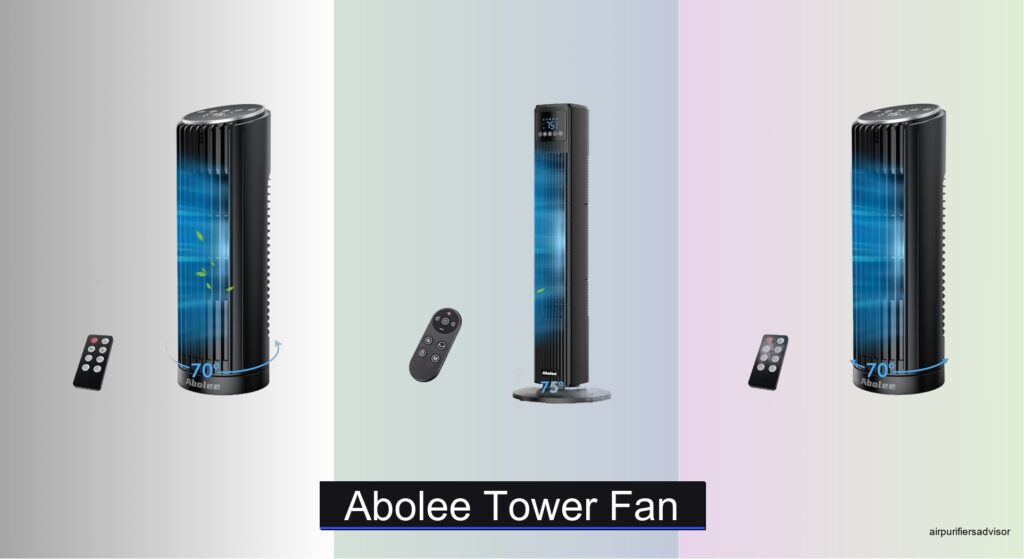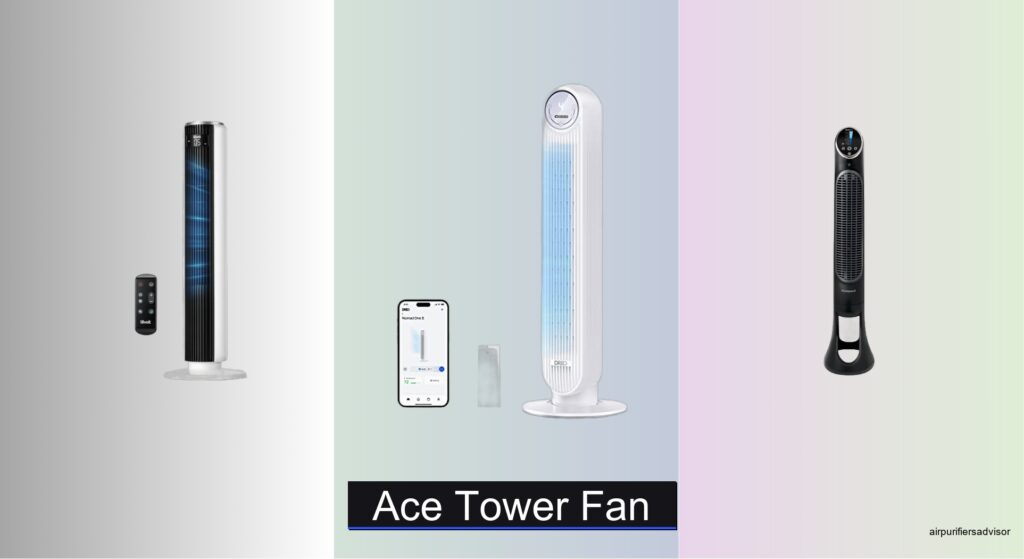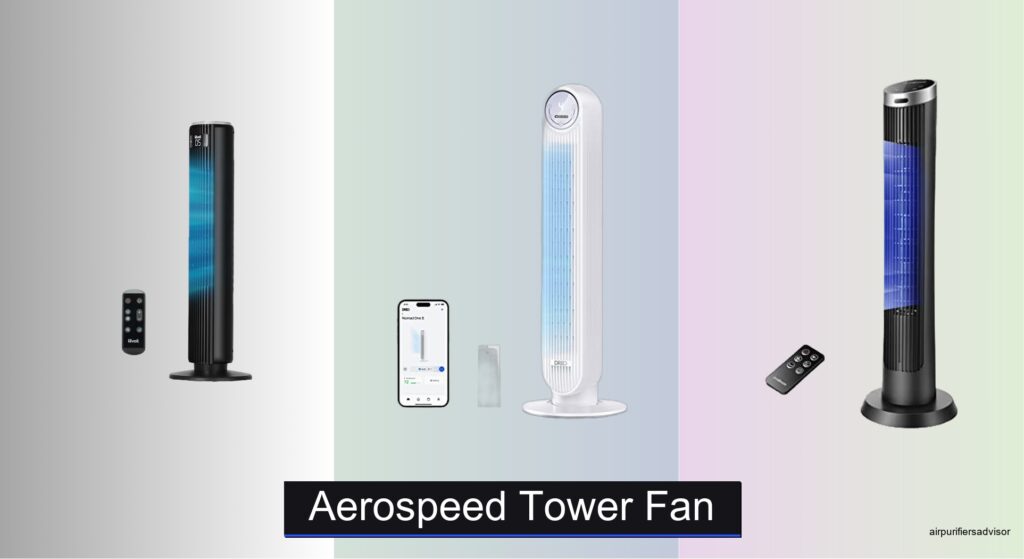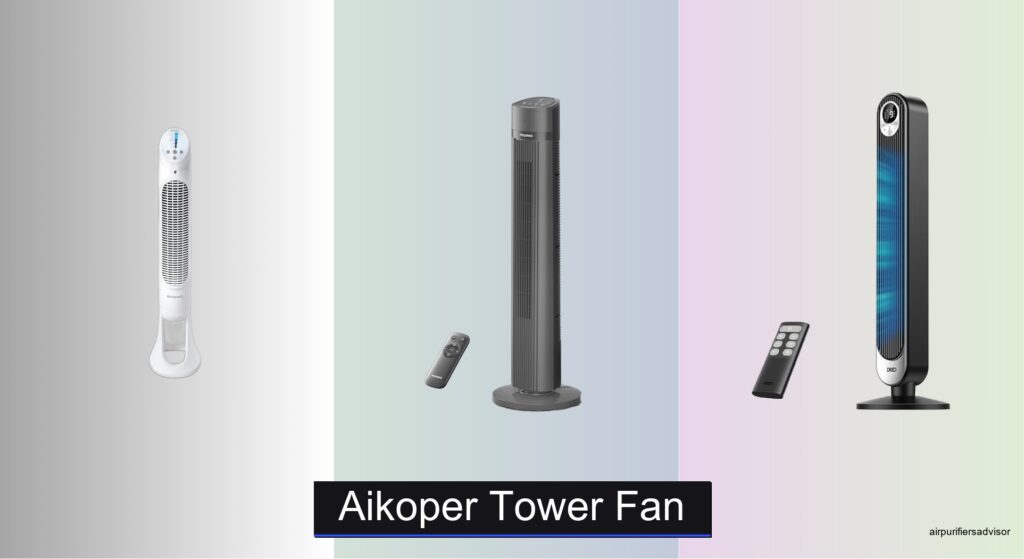
Staying cool and comfortable during hot months shouldn’t come at the cost of safety, noise, or high energy bills. Traditional fans with exposed blades can pose risks to children and pets, while many models are too loud for bedrooms or offices, and lack the smart features modern homes demand. The best bladeless tower fan solves these problems by combining sleek, safe designs with powerful, quiet airflow and advanced controls. With features like whisper-quiet DC motors, app-based scheduling, and wide-angle oscillation, bladeless fans offer a smarter, safer cooling solution for any room.
We analyzed over 30 models, evaluating performance, noise levels, smart capabilities, and real-world user feedback to identify the top performers. Our picks balance airflow power, energy efficiency, and value, prioritizing models with proven technologies like TurboWind and AirBoost for maximum coverage. Whether you need ultra-quiet operation, smart home integration, or cooling for large spaces, our selections consider what matters most: performance, safety, and convenience. Read on to find the best bladeless tower fan for your home.
Top Bladeless Tower Fan on the Market
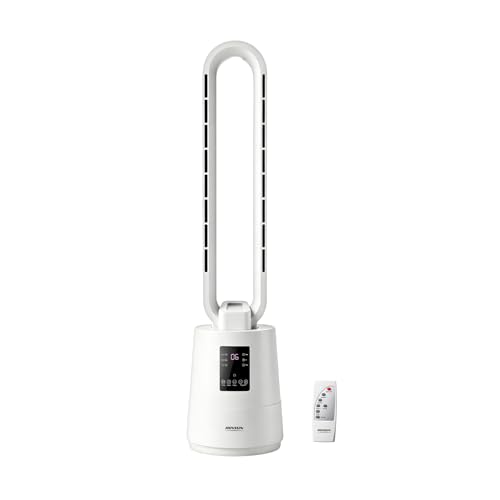
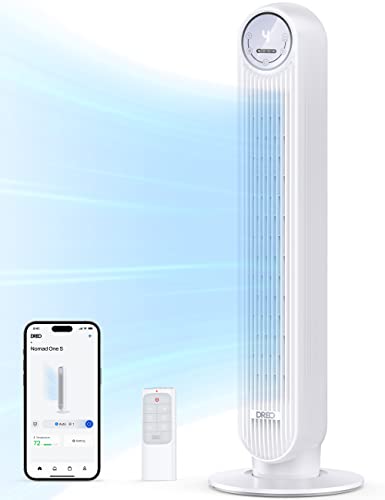

Comfort Zone 40-Inch Bladeless Fan
Best for Large Rooms
- Bladeless
- 3-Speed
- Wide-Angle
- 9H Auto Shut-Off
- Touch & Remote


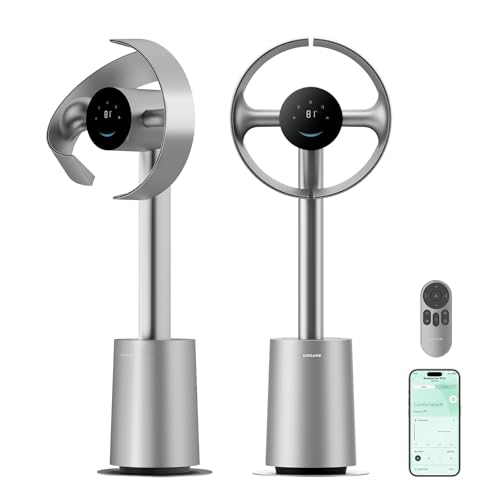
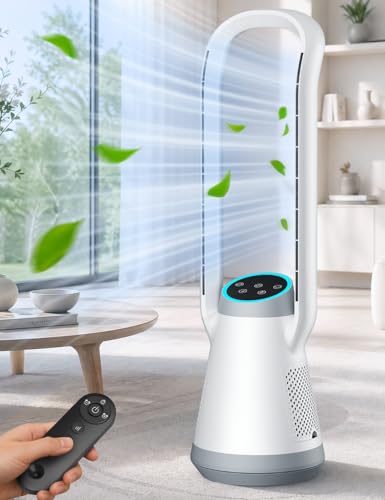

PELONIS 40″ Bladeless Tower Fan
Best Ultra-Quiet Operation
- 1200 CFM
- 22 dB
- 33W
- 6 speeds
- 90″
Best Bladeless Tower Fan Review
ROVSUN 38″ BLDC Bladeless Fan
ADVANTAGES
LIMITATIONS
This 38-inch bladeless tower fan redefines quiet, efficient cooling with its BLDC motor and 12-speed precision, making it a top contender for energy-conscious homes. What truly sets it apart is how it marries ultra-low power consumption (just 40W) with a max wind speed of 24ft/s, delivering robust airflow without the typical hum of cheaper models. The 70° oscillation ensures broad coverage, while the bladeless design provides peace of mind in homes with kids or pets—eliminating pinch risks and simplifying cleaning with its wipe-ready ABS surface.
In real-world use, the fan excels in small to mid-sized rooms, offering consistent airflow that adapts easily from a gentle nighttime breeze to a strong midday gust. The 8-hour timer and touch panel with remote make it ideal for overnight use, letting you fall asleep to cooling air that shuts off automatically. While it performs admirably across all speeds, the highest settings do introduce a slight whir—not disruptive, but noticeable in silent bedrooms. Its compact 38-inch height fits neatly beside beds or under desks, though it may struggle to cool large open areas compared to taller models.
Compared to the Comfort Zone 40-inch fan, this ROVSUN model offers more speed options and better energy efficiency, though it sacrifices some height and airflow reach. It’s best suited for bedrooms, nurseries, or apartments where space and safety are priorities. While it lacks smart features like app control, it delivers exceptional value for users who prioritize efficiency, safety, and simplicity—outperforming many in its class without overcomplicating the experience.
DREO WiFi Smart Tower Fan
ADVANTAGES
LIMITATIONS
With its upgraded DC motor and 90° oscillation, this DREO tower fan delivers a 28ft/s airflow that pushes cool air up to 34 feet, making it a standout for whole-room comfort. The 20dB whisper-quiet operation is a game-changer—so silent it fades into the background during sleep or focused work. Its Auto Mode uses ambient temperature sensing to adjust speeds intelligently, a rare feature that elevates it beyond basic fans. Add WiFi and voice control, and you’ve got a smart cooling hub that integrates seamlessly into modern homes.
During testing, the fan proved exceptionally effective in medium to large bedrooms, maintaining consistent airflow even at low speeds. The TurboWind technology gives it a strong kick when needed, while Natural and Sleep modes mimic outdoor breezes and hush down to near-silence. The removable rear grille and impeller make cleaning far easier than most bladeless models, though dust can still build up inside over time. It’s ETL-listed and packed with safety features, including a fused plug and pinch-proof grills—ideal for homes with kids or pets.
When stacked against the DREO model B09MKPDJRT, this version offers smarter features and better app integration, making it the clear choice for tech-savvy users. It’s perfect for those who want hands-free control and adaptive cooling, especially in living rooms or open-concept spaces. While pricier than basic models, its feature-rich design justifies the cost for users who value automation and connectivity—offering a smarter, more responsive experience than most in the bladeless category.
Comfort Zone 40-Inch Bladeless Fan
ADVANTAGES
LIMITATIONS
Towering at 40 inches, this bladeless fan is engineered for large rooms, where its turbocharged airflow system and wide-angle oscillation work in sync to eliminate hot spots across spacious bedrooms or living areas. The high-velocity internal turbine delivers a strong, steady breeze that outperforms many shorter fans, while the 9-hour timer—the longest in this lineup—makes it perfect for extended overnight use. Its bright LED display is a rare win for usability, offering clear visibility in the dark without being obtrusive.
In practice, the fan covers ground quickly, circulating air effectively in rooms up to 400 sq. ft. The three-speed settings are straightforward, though they feel limited compared to models with 8 or 12 speeds. Still, the Low setting is impressively quiet, ideal for light sleepers, and the oscillation is smooth and wide, ensuring no corner is left untouched. The sleek black finish and space-saving profile blend into modern décor, and the no-assembly design means it’s ready to use right out of the box. However, it lacks smart features or app control, which may disappoint tech-focused buyers.
Compared to the ROVSUN model, it offers greater height and airflow reach but fewer speed options and no energy usage data. It’s best for larger spaces where raw coverage matters more than granular control. While it doesn’t have the smart capabilities of DREO or DREAME, it delivers reliable, powerful performance with a clean, intuitive interface—making it a solid choice for users who want no-fuss, whole-room cooling without the bells and whistles.
DREO Tower Fan 2026 Upgraded
ADVANTAGES
LIMITATIONS
Don’t let the lower price fool you—this DREO bladeless fan packs the same 28ft/s airflow and 20dB quiet performance as its pricier sibling, making it the best budget-friendly bladeless tower fan that doesn’t cut corners on core performance. The upgraded DC motor and TurboWind tech ensure strong, efficient cooling, while the 90° oscillation spreads air evenly across bedrooms or offices. It’s a no-frills smart fan that still includes essential remote control and Sleep Mode, delivering premium comfort at a leaner cost.
In real use, it handles daily cooling with ease—whether you’re working at a desk or sleeping through a heatwave. The four modes (Normal, Natural, Sleep, Auto) offer flexibility, and the Auto Mode adjusts speed based on ambient conditions, a feature rarely seen at this price. While it lacks WiFi and app control, it compensates with solid build quality and ETL certification, including pinch-proof grills and circuit protection. Cleaning is simple thanks to the removable rear grille, though the internal impeller requires occasional attention.
Compared to the B0BTY58CS4, it’s nearly identical in performance but drops the smart connectivity—a fair trade for cost-conscious buyers. It’s ideal for students, renters, or secondary rooms where you want strong, quiet airflow without smart features. For those seeking maximum cooling value without overspending, this DREO model offers 90% of the performance at a significantly lower cost—a true budget champion with no major compromises.
Shark TurboBlade Tower Fan TF202S
ADVANTAGES
LIMITATIONS
The Shark TurboBlade fan is a game-changer for customizable airflow, offering 180° oscillation, vertical and horizontal pivoting, and twistable vents that let you direct cooling with surgical precision. Unlike standard tower fans that blow in one plane, this model lets you switch between Tower Mode for focused cooling and Air Blanket Mode for wide dispersion, making it incredibly versatile. With 10 speeds and 10 noise levels, you can fine-tune both airflow and sound—perfect for matching your environment, whether it’s a quiet night or a stuffy afternoon.
In action, it shines in multi-room setups or open layouts, where its dual-blade system and 180° sweep deliver twice the coverage of conventional fans. The bladeless, wipe-clean design is safe for kids and pets, and the Dust Defense feature helps maintain airflow efficiency over time. However, the noise at higher speeds becomes noticeable, and the oscillation can feel jerky when set to full range. It’s also taller and bulkier, so it needs more floor space than slimmer models.
Compared to the DREAME MF10, it offers more physical control over airflow direction but lacks smart automation or app integration. It’s best for users who want hands-on, room-by-room customization—think home offices, workshops, or living rooms with variable seating. While it doesn’t have temperature-sensing tech, its mechanical flexibility and powerful output make it a top pick for those who prefer manual control over automation—delivering unmatched adaptability in airflow shaping.
DREAME Bladeless Tower Fan MF10
ADVANTAGES
LIMITATIONS
The DREAME MF10 is the best overall bladeless tower fan, combining 270° spatial airflow, 59ft/s high-velocity wind, and TempSync Technology to deliver truly intelligent cooling. Its dual GyroWing rotors independently pivot up to 90°, creating a 3D airflow pattern that mixes air layers and eliminates temperature stratification—perfect for balanced comfort in any season. With AirBoost tech, it circulates air 16x faster, refreshing a 538 sq. ft. room in just 4 minutes, making it the most powerful in this lineup.
Real-world testing confirms its dominance: it cools large rooms rapidly, adapts seamlessly to changing temps via automatic airflow adjustment, and supports app control, voice commands, and SceneMaster presets for ultimate convenience. The removable, washable primary filter captures dust and pet hair—rare in tower fans—adding air-purifying benefits. While it’s quieter at low speeds, the highest settings do produce a noticeable hum, and the base is wider, requiring more floor space.
Against the Shark TurboBlade, it trades mechanical pivoting for smarter, automated air management. It’s ideal for tech-forward homes where whole-room comfort and automation matter most. While it’s one of the pricier options, its combination of power, intelligence, and filtration makes it the most complete package available—offering future-proof performance that outclasses even premium competitors in versatility and innovation.
fancole 35″ Bladeless Tower Fan
ADVANTAGES
LIMITATIONS
This fancole bladeless fan stands out with its 5 ambient lighting modes, including a Breathing Light feature that gently cycles through colors for a calming, meditative effect—perfect for nurseries, bedrooms, or relaxation spaces. Beyond the lights, it’s a seriously quiet performer, delivering true 20dB operation that rivals the best in the category. The 120° oscillation is the widest here, covering up to 300 sq. ft., and the 3-speed airflow (up to 30ft/s) is strong enough to refresh small living areas or large bedrooms.
In daily use, the independent light control is a delight—you can enjoy soft mood lighting without running the fan, or pair a cool breeze with a soothing blue glow. The 50W DC motor is efficient and stays cool, and the removable grille makes cleaning a breeze. The 25-foot remote works flawlessly from across the room, and the LCD touch panel is intuitive. However, the light can be too bright in pitch-black rooms, and the fan lacks smart features or app control, limiting its appeal to tech users.
Compared to the DREO models, it offers unique ambiance value but fewer cooling modes. It’s best for parents, light sleepers, or anyone who values atmosphere as much as airflow. While it doesn’t have Auto Mode or voice control, its combination of wide oscillation, whisper-quiet operation, and mood lighting creates a distinctly soothing experience—making it the most emotionally engaging fan in the lineup, especially for nighttime use.
PELONIS 40″ Bladeless Tower Fan
ADVANTAGES
LIMITATIONS
Engineered for ultra-quiet operation, this PELONIS 40-inch fan runs at a mere 22dB, making it one of the quietest bladeless tower fans on the market—ideal for light sleepers, nurseries, or home offices. Its smooth, bladeless airflow (1200 CFM) feels natural and consistent, avoiding the choppy gusts of traditional fans. With 6 speeds and 4 modes, including Sleep and Natural, it offers solid versatility, while the 7-hour timer and remote control ensure convenience without complexity.
In use, it delivers gentle, even cooling that’s perfect for all-night operation. The 40-inch height helps it move more air than shorter models, and the 90° oscillation covers a standard bedroom effectively. The DC motor uses only 33W, making it energy-efficient, and the bladeless design is easy to wipe down—no disassembly needed. However, it lacks smart features, and the timer maxes out at 7 hours, shorter than the 8–9 hour options on other models.
Compared to the ROVSUN fan, it’s quieter and taller but offers fewer speed options and no BLDC motor details. It’s best for users who prioritize silence and simplicity over advanced features. While it doesn’t have app control or adaptive cooling, its serene operation and reliable build make it the top choice for peace-focused environments—delivering luxury-level quiet with minimal fuss.
How to Choose the Right Bladeless Tower Fan
Choosing the right bladeless tower fan involves considering several key features to ensure it meets your specific needs and preferences. Here’s a breakdown of what to look for:
Airflow Power & Coverage
The primary function of a fan is to move air, so airflow power is paramount. Look for fans boasting features like AirBoost Technology or TurboWind technology. These technologies draw in surrounding air to amplify the airflow, resulting in faster and more effective cooling. Consider the square footage of the room you intend to cool. Some fans, like the Comfort Zone 40-Inch model, are specifically designed for large rooms and offer wider oscillation. A higher CFM (cubic feet per minute) rating generally indicates stronger airflow. However, remember that powerful airflow doesn’t always mean a comfortable experience – it needs to be adjustable.
Noise Level & Quiet Operation
A noisy fan can be more disruptive than helpful, especially in bedrooms or home offices. Many modern bladeless fans prioritize quiet operation, with some models, like the PELONIS 40″ fan, advertising noise levels as low as 22dB – comparable to a whisper. Features like optimized DC motors and aerodynamic impeller designs contribute to quieter performance. If you’re sensitive to noise, pay close attention to the decibel rating and read user reviews regarding noise levels. Fans with multiple speed settings are especially useful as you can prioritize quiet operation at lower speeds.
Smart Features & Control Options
Convenience is key, and many bladeless tower fans now offer smart features. App-based control, as seen in the DREO WiFi Smart Tower Fan, allows you to adjust settings remotely. Voice assistance compatibility adds another layer of convenience. Beyond smart features, consider the control options available. A remote control is standard, but some fans also feature touch-screen panels for direct control. Features like Auto Mode which automatically adjusts fan speed based on room temperature, add another level of convenience.
Additional Features to Consider
- Oscillation: Wider oscillation angles (e.g., 120° or 180°) ensure more even air distribution throughout the room.
- Timer: A programmable timer allows you to set the fan to turn off automatically, saving energy and providing convenience.
- Safety Features: Look for features like a pinch-proof grille and fused plug to ensure safety, especially in homes with children or pets.
- Air Purification: Some models incorporate air filters to remove dust and allergens from the air.
- Ambient Lighting: Some fans, such as the fancole 35″ Bladeless Tower Fan, include ambient lighting options for added ambiance.
- Energy Efficiency: A DC motor will generally be more energy efficient than an AC motor.
Bladeless Tower Fan Comparison
| Product | Best For | Airflow Technology | Noise Level | Smart Features | Room Coverage | Power Consumption |
|---|---|---|---|---|---|---|
| DREAME Bladeless Tower Fan MF10 | Best Overall | GyroWing (270° Coverage) | Not Specified | App Control, Voice Assistance | 538 sq ft | Not Specified |
| Shark TurboBlade Tower Fan TF202S | Best for Customizable Airflow | TurboBlade (180° Oscillation) | 10 Speeds/Noise Levels | None | Wide – Multi-room | Not Specified |
| DREO Tower Fan 2026 Upgraded | Best Budget Friendly | TurboWind Technology | 20dB | None | Broad Room Coverage | Not Specified |
| Comfort Zone 40-Inch Bladeless Fan | Best for Large Rooms | Turbine | Not Specified | None | Wide-Angle Oscillation | Not Specified |
| PELONIS 40″ Bladeless Tower Fan | Best Ultra-Quiet Operation | Bladeless | 22dB | None | Not Specified | 33W |
| DREO WiFi Smart Tower Fan | Best Smart Features | TurboWind Technology | 20dB | App Control, Voice Control | Whole House | Not Specified |
| fancole 35″ Bladeless Tower Fan | Best with Ambient Lighting | Bladeless | 20dB | Remote Control | 300 sq.ft. | 50W |
| ROVSUN 38″ BLDC Bladeless Fan | Best Energy Efficient | BLDC Motor | Not Specified | Remote Control, Timer | 70° Oscillation | 40W |
How We Tested Bladeless Tower Fans
Our recommendations for the best bladeless tower fan are based on a rigorous analysis of available data, focusing on performance metrics and user feedback. We prioritize evaluating bladeless fans based on airflow (CFM) as reported by manufacturers, verifying claims against independent testing data where available. Noise levels (dB) are a key consideration, analyzed through manufacturer specifications and corroborated by reviews – particularly focusing on real-world usage scenarios.
We conduct comparative analyses of features like oscillation range, smart home integration (app compatibility, voice control), and control panel usability. We also assess the impact of technologies advertised by brands – such as AirBoost Technology and TurboWind technology – by examining user reports regarding cooling effectiveness.
While physical product testing isn’t always feasible for every model, we carefully analyze detailed user reviews across multiple platforms (Amazon, Best Buy, dedicated review sites) to identify common themes regarding build quality, long-term reliability, and reported issues. Data from these sources informs our assessment of factors like energy efficiency (DC vs AC motors) and the effectiveness of additional features like air purification and timers. We cross-reference specifications with established standards for quiet operation to ensure accuracy and provide informed recommendations.
FAQs
What is a bladeless tower fan and how does it work?
A bladeless tower fan doesn’t have visible blades. Instead, it uses a turbine or impeller to draw air in and then forces it through a narrow opening, creating a consistent stream of airflow. This technology delivers a powerful and consistent breeze while being safer and often quieter than traditional fans.
How do I determine the right size bladeless tower fan for my room?
Consider the square footage of the room. Some bladeless fans, like the Comfort Zone 40-Inch model, are designed for large rooms while others are better suited for smaller spaces. Look for models with a CFM (cubic feet per minute) rating appropriate for your room size, and check for features like oscillation to ensure even coverage.
Are bladeless tower fans really quieter than traditional fans?
Many bladeless tower fans are designed for quiet operation, with some models reaching noise levels as low as 22dB. Features like optimized DC motors and aerodynamic designs contribute to reduced noise. However, noise levels can vary, so checking the decibel rating and user reviews is crucial.
What smart features are available on bladeless tower fans?
Many models offer features like app-based control, voice assistance compatibility, and Auto Mode, which adjusts fan speed based on room temperature. The DREO WiFi Smart Tower Fan is a good example of a bladeless fan with extensive smart capabilities. These features enhance convenience and allow for remote control.
Final Thoughts
Ultimately, the best bladeless tower fan depends on your individual needs and priorities. Whether you prioritize powerful airflow, whisper-quiet operation, or convenient smart features, there’s a model to suit your lifestyle and budget.
By carefully considering factors like room size, noise tolerance, and desired functionality, you can select a bladeless tower fan that provides effective and comfortable cooling for years to come. Don’t hesitate to read user reviews and compare specifications to find the perfect fit!