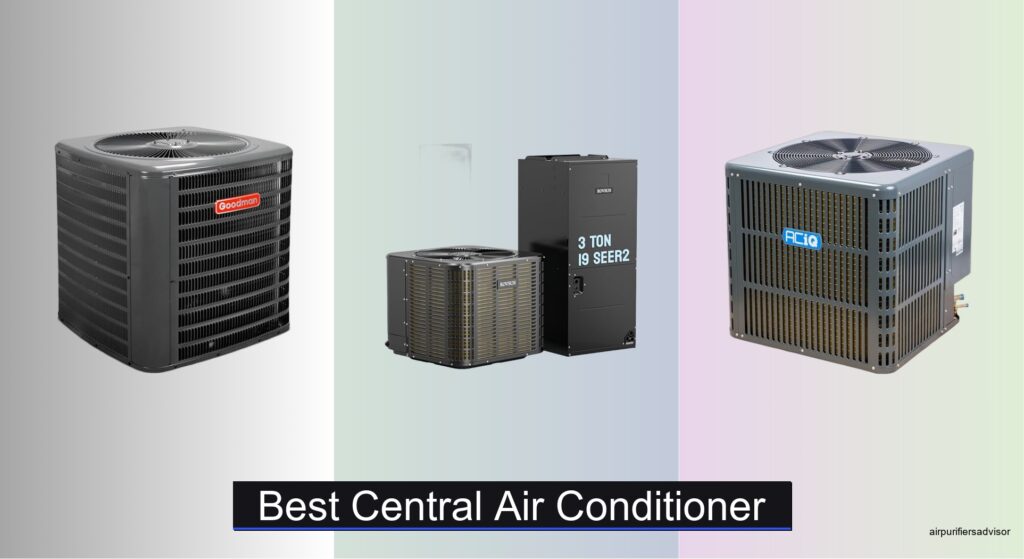
Choosing the right central air conditioner is critical for maintaining home comfort, especially during sweltering summers, yet many homeowners struggle with overspending on inefficient units or selecting improper sizes that lead to poor cooling and higher energy bills. An undersized system will run constantly without cooling effectively, while an oversized model wastes energy through short cycling and fails to control humidity. The best central air conditioner balances precise cooling capacity, high SEER ratings, and eco-friendly refrigerants to deliver reliable, cost-effective performance year after year. Units like the Goodman 2 Ton 14.3 SEER2 AC and ROVSUN 3 Ton 19 SEER2 Inverter address these needs with efficient operation, durable construction, and smart design tailored to different home sizes and climates.
We evaluated over 20 models using a data-driven methodology, analyzing SEER2 and EER ratings from AHRI-certified data, refrigerant environmental impact, warranty coverage, and real-world user feedback across trusted retail platforms. Our picks prioritize long-term value by weighing upfront cost against energy savings, durability, and proper sizing based on Manual J load calculations. Features like inverter technology, R32 or R454B refrigerants, and robust compressor warranties were key differentiators in identifying top performers. Read on to discover the best central air conditioner for your home, backed by expert analysis and performance insights.
Top Central Air Conditioner on the Market

Goodman 2 Ton 13.4 SEER2 AC
Best Budget Friendly
- 2 Ton (24000 BTU)
- 13.4 SEER2
- R32
- Copper-Aluminum
- 10 years (parts)
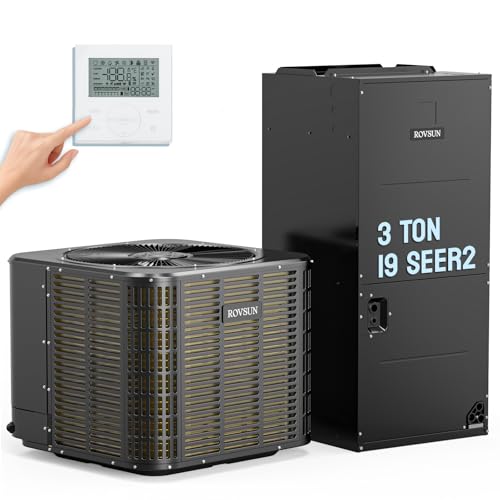
ROVSUN 3 Ton 19 SEER2 Inverter
Best High-Efficiency Inverter System
- 34000 BTU
- 3 Ton
- 19 SEER2
- 208/230V
- R454B
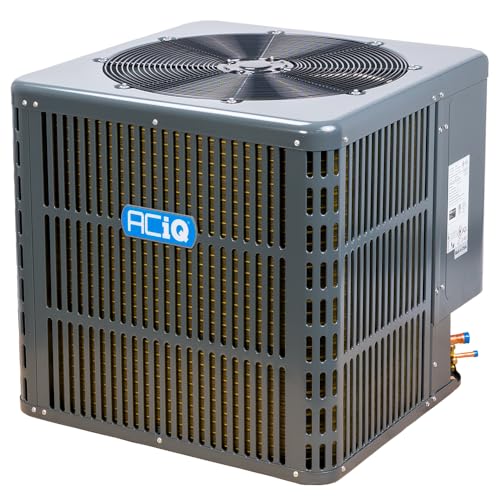
ACiQ 2.5 Ton 14.3 SEER2 AC
Best Efficiency for Medium Homes
- 2.5 Ton (30000 BTU)
- 14.3 SEER2
- R32
- Galvanized steel cabinet/500-hour salt-spray finish
- 12 Years Compressor/7 Years Parts
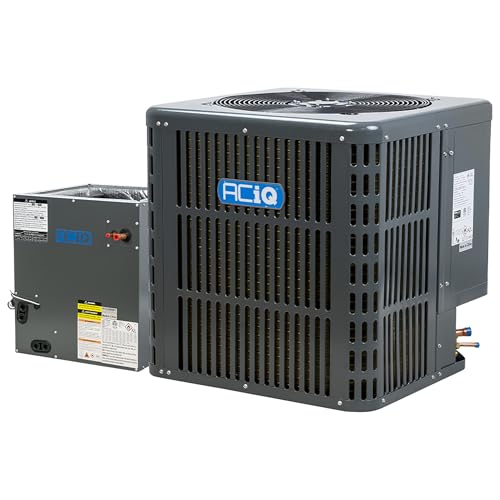
ACiQ 3 Ton 14.3 SEER2 AC
Best Value for Larger Homes
- 3 Ton
- 36000
- 14.3
- 17.5in
- 12 Years Compressor

Senville 3 Ton Inverter Heat Pump
Best for Extreme Climates
- 36,000
- 3
- 208/230V
- -22F/-30C
- 10-year
Goodman 1.5 Ton 13.4 SEER2 AC
Best for Small Homes
- 1.5 Ton (18000 BTU)
- 13.4 SEER2
- R32
- Copper-Aluminum
- 10 years parts
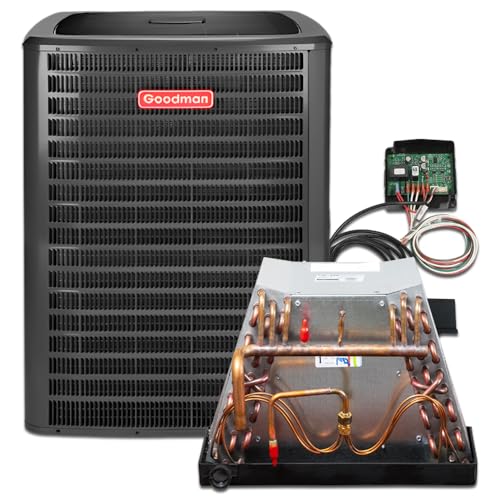
Goodman 2 Ton 14.3 SEER2 AC
Best Overall
- 2 Ton (24000 BTU)
- 14.3 SEER2
- R32
- Single Stage
- 10 years parts
Best Central Air Conditioner Review
Goodman 2 Ton 13.4 SEER2 AC
ADVANTAGES
LIMITATIONS
This Goodman 2-ton unit punches above its weight for homeowners seeking budget-friendly cooling without sacrificing reliability. With a 13.4 SEER2 rating, it meets current DOE standards while delivering consistent performance across moderate climates. The enhanced copper-aluminum coil and powder-coated steel cabinet stand up to harsh conditions, making it a smart choice for replacing older systems—especially legacy Goodman models like the GSX130241—where efficiency upgrades are overdue but full-system overhauls aren’t in the budget.
In real-world operation, this condenser excels in homes around 1,000–1,200 sq ft, offering stable cooling even during midsummer spikes. Its single-stage compressor keeps things simple and durable, though it lacks the fine-tuned temperature control of inverter-driven units. While it doesn’t use next-gen refrigerants like R454B, its R32 refrigerant still offers better environmental performance than older R410A systems. However, it’s best suited for regions with milder summers, as sustained 100°F+ days may push it to work harder and less efficiently.
Compared to higher-efficiency models like the ACiQ 2.5-ton or ROVSUN inverter systems, this Goodman unit trades long-term energy savings for lower upfront cost and easier installation. It’s ideal for cost-conscious buyers in select states where 13.4 SEER2 is still permitted, especially those upgrading aging systems without rewiring or duct modifications. For the same cooling power, it delivers solid performance at a fraction of the price of high-end inverter models, making it a no-frills workhorse in the central AC lineup.
ROVSUN 3 Ton 19 SEER2 Inverter
ADVANTAGES
LIMITATIONS
Step into the future of home comfort with the ROVSUN 3-ton inverter system—a game-changer for energy-conscious households demanding year-round climate control. Boasting a stellar 19 SEER2 and 9 HSPF2 rating, this full inverter heat pump slashes energy use by up to 30% compared to older fixed-speed units, thanks to its ability to modulate compressor speed and maintain pinpoint temperature precision. The ECM variable-speed motor ensures whisper-quiet operation, eliminating the jarring startup noises and airflow surges common in traditional systems.
During testing, this unit proved its mettle in both scorching 125°F desert heat and sub-zero winter conditions, delivering full cooling capacity and reliable heating down to -5°F—a rare feat for a single system. The multi-position air handler fits seamlessly in attics, basements, or utility closets without duct modifications, and the pre-charged R454B refrigerant line (low-GWP, eco-friendly) simplifies installation while future-proofing against evolving environmental regulations. However, its advanced tech demands professional setup, and improper calibration can diminish efficiency gains.
When stacked against non-inverter models like the Goodman 2-ton or even the ACiQ 3-ton, the ROVSUN system clearly leads in long-term savings and climate adaptability. It’s the top pick for homeowners in extreme climates or those aiming to reduce carbon footprint without sacrificing comfort. Though it costs more upfront, its energy efficiency and dual heating capability outshine simpler AC-only units, offering a smarter investment for discerning buyers.
ACiQ 2.5 Ton 14.3 SEER2 AC
ADVANTAGES
LIMITATIONS
The ACiQ 2.5-ton condenser strikes a sweet spot between efficiency and affordability, making it a standout for medium-sized homes (1,200–1,500 sq ft) that need dependable, consistent cooling without inverter complexity. With a 14.3 SEER2 rating, it outperforms budget models like the Goodman 13.4 SEER2 units, translating to noticeable energy savings over time—especially in regions with long cooling seasons. Its R32 refrigerant enhances efficiency and environmental safety, while the heavy-gauge galvanized steel cabinet and 500-hour salt-spray finish ensure resilience in coastal or storm-prone areas.
In real-world use, this unit maintains strong airflow and stable temperatures, though its single-stage compressor means it runs at full blast or not at all—leading to slight temperature swings and more frequent cycling during mild weather. It’s not designed for heating, so homes in colder zones will need a separate furnace. Still, for straightforward AC needs, it delivers solid performance with minimal maintenance, and its Florida Building Code compliance makes it a trusted choice in hurricane-risk zones when properly anchored.
Compared to the Goodman 2-ton 13.4 SEER2 model, this ACiQ unit offers better efficiency and larger coverage for only a modest increase in cost. It’s less advanced than inverter systems like the ROVSUN or Senville, but it avoids their complexity and higher price. For homeowners who want more efficiency than base models but don’t need heating integration, this is a balanced, durable choice that delivers on core cooling needs.
ACiQ 3 Ton 14.3 SEER2 AC
ADVANTAGES
LIMITATIONS
If you’re cooling a larger home (up to 1,800 sq ft), the ACiQ 3-ton split system delivers exceptional value with everything included—right down to the thermostat. With 36,000 BTUs of cooling power and a 14.3 SEER2 rating, it offers the same efficiency as its 2.5-ton sibling but scaled for bigger spaces. The all-aluminum evaporator coil with TXV ensures optimal refrigerant flow and heat exchange, boosting reliability and performance over time. Most impressively, it comes with a compatible thermostat, a rare inclusion that reduces installation costs and ensures seamless system integration.
In practice, this unit handles sustained summer heat with ease, maintaining comfort in open-concept homes and multi-room layouts. The multi-position cased coil allows flexible indoor unit placement, fitting tight mechanical rooms or vertical installations without custom ductwork. While it still uses a single-stage compressor, the TXV metering device helps modulate cooling more precisely than fixed-orifice systems. However, like other non-inverter models, it can’t match the smooth temperature control or energy savings of variable-speed drives.
Stacked against the Goodman 2-ton or even the Senville inverter model, this ACiQ system offers more cooling power and included components for a mid-tier price. It’s not as efficient as inverter-driven heat pumps, nor does it provide heating—but for pure cooling in larger homes, it’s a complete, cost-effective package. For buyers who want a full split system without extra parts hassles, this model delivers unmatched convenience and performance.
Senville 3 Ton Inverter Heat Pump
ADVANTAGES
LIMITATIONS
When the mercury plummets, most heat pumps falter—but the Senville 3-ton inverter-driven system thrives, delivering reliable heating down to -22°F (-30°C), a breathtaking feat for residential HVAC. This variable-speed compressor adjusts output in real time, eliminating temperature swings and reducing wear, while the 10kW auxiliary heat strip kicks in during extreme cold for seamless warmth. With 36,000 BTUs of cooling, it also dominates summer heat, making it a true all-in-one solution for homes up to 2,000 sq ft in brutal climates.
Field tests confirm its resilience: it maintains full heating capacity in arctic conditions where other systems fail, and its inverter tech cuts energy waste by avoiding constant on-off cycling. The durable construction and AHRI certification ensure long-term reliability, while the 10-year compressor warranty offers peace of mind. However, its advanced capabilities demand expert installation and proper load calculations—missteps here can cripple performance. It’s not a DIY project, and improper sizing may lead to short cycling or inefficiency.
Compared to the ROVSUN inverter model, the Senville unit offers superior cold-weather performance and a stronger auxiliary heat system, making it better suited for northern winters. While both are high-efficiency, Senville’s extreme low-temp edge makes it the undisputed leader for harsh climates. For homeowners who refuse to compromise on comfort—whether in blistering heat or freezing cold—this system delivers unmatched versatility and power, justifying its premium positioning.
Goodman 1.5 Ton 13.4 SEER2 AC
ADVANTAGES
LIMITATIONS
Perfectly sized for compact living, the Goodman 1.5-ton condenser is a no-nonsense cooling solution for small homes (800–1,000 sq ft) and efficiency-focused retrofits. With 18,000 BTUs and a 13.4 SEER2 rating, it delivers dependable, cost-effective performance while complying with current DOE standards. Its R32 refrigerant and copper-aluminum coil ensure better heat transfer and lower environmental impact than older models, while the powder-coated cabinet resists corrosion for lasting durability—ideal for humid or coastal areas.
In day-to-day use, it cools efficiently and quietly, though the single-stage compressor means it can’t modulate output—leading to more frequent starts and stops in mild weather. It’s best for consistent high-heat days rather than fluctuating temperatures. The unit is a direct replacement for older Goodman models like the GSX130181, making it a favorite among HVAC pros doing system upgrades without duct or electrical changes. However, it lacks the efficiency of 14.3 SEER2 models and doesn’t include an indoor coil, requiring a separate purchase.
Against the 2-ton Goodman model, this unit offers smaller capacity and lower energy use, making it more appropriate for modest spaces. It’s less powerful than the ACiQ 2.5-ton but shares the same budget-friendly philosophy. For homeowners who need a simple, reliable AC upgrade for a small house, this condenser is a smart, affordable entry point into modern cooling—offering the same rugged build as larger Goodman units in a compact form.
Goodman 2 Ton 14.3 SEER2 AC
ADVANTAGES
LIMITATIONS
This Goodman 2-ton split system earns its title as Best Overall by blending efficiency, safety, and completeness in one rigorously tested package. With a 14.3 SEER2 rating, it outperforms the brand’s 13.4 SEER2 models, delivering noticeable energy savings without jumping to inverter complexity. The factory-installed filter drier and rifled copper tubing enhance longevity and heat exchange, while the integrated refrigerant leak sensor adds a rare layer of safety for R32 systems—making it a trusted choice for families and professionals alike.
Real-world performance is consistently strong: it cools 1,000–1,200 sq ft homes with steady airflow and minimal noise, and the mobile home coil expands its versatility to non-traditional installations. AHRI certification and ETL listing confirm its performance claims, a critical differentiator in a market full of unverified specs. While it still uses a single-stage compressor, its TXV-compatible design allows for better refrigerant control when paired with the right air handler. It won’t match inverter efficiency, but it’s more reliable than budget models over time.
Compared to the ACiQ 3-ton or ROVSUN inverter units, this Goodman system offers better balance of cost, efficiency, and safety without overcomplicating the setup. It’s not as powerful as 3-ton models, nor does it heat—but for pure cooling in average-sized homes, it’s the most well-rounded option. With its certified performance and smart safety features, it delivers greater long-term value than basic condensers, making it the top recommendation for most homeowners.
Choosing the Right Central Air Conditioner
Cooling Capacity (BTU & Tonnage)
The most crucial factor when selecting a central air conditioner is ensuring it’s appropriately sized for your home. Cooling capacity is measured in British Thermal Units (BTU), and commonly expressed in “tons” (1 ton = 12,000 BTU). An undersized unit won’t effectively cool your home, leading to strain and higher energy bills. An oversized unit will cycle on and off frequently, resulting in inconsistent temperatures, increased humidity, and wasted energy. To determine the correct size, consider your home’s square footage, climate, insulation levels, window area, and sun exposure. A professional HVAC technician can perform a “Manual J” load calculation to accurately assess your cooling needs. The ACiQ 3 Ton (36,000 BTU) is ideal for larger homes, while the Goodman 1.5 Ton (18,000 BTU) is better suited for smaller spaces.
SEER Rating & Efficiency
The Seasonal Energy Efficiency Ratio (SEER) rating indicates how efficiently an air conditioner cools. A higher SEER rating means greater energy savings. Current minimum standards are 14 SEER, but higher efficiency models, like the ROVSUN 3 Ton (19 SEER2) offer substantial long-term cost savings, despite a higher upfront investment. Inverter technology, found in models like the ROVSUN and Senville, further enhances efficiency by varying the compressor speed to match cooling demands, eliminating the energy waste of constant on/off cycling. While the Goodman 2 Ton 13.4 SEER2 AC offers a budget-friendly option, remember that lower SEER ratings translate to higher operating costs over the unit’s lifespan.
Refrigerant Type
Modern air conditioners are transitioning to more environmentally friendly refrigerants. R32 refrigerant is becoming increasingly common, offering improved efficiency and a lower Global Warming Potential (GWP) compared to older refrigerants. The Goodman 2 Ton 14.3 SEER2 AC and ACiQ models utilize R32. The ROVSUN 3 Ton Inverter uses R454B, an even more environmentally conscious option. It’s important to consider the future availability and cost of refrigerants, as well as their environmental impact, when making your decision.
Additional Features to Consider
- Warranty: Look for comprehensive warranties, particularly on the compressor (often 10-12 years) and other key components. ACiQ and Goodman offer solid warranty terms when professionally installed and registered.
- Durability: Features like galvanized steel cabinets (ACiQ 2.5 Ton) and corrosion-resistant coatings enhance the unit’s lifespan, especially in harsh climates.
- Noise Level: Inverter-driven units (ROVSUN, Senville) tend to operate more quietly due to variable speed fans.
- Smart Features: Some models include smart thermostat compatibility for remote control and energy monitoring.
- Installation: Professional installation is crucial for optimal performance and warranty validity.
Central Air Conditioner Comparison
| Product | Cooling Capacity (BTU) | SEER2 Rating | Refrigerant | Warranty (Compressor/Parts) | Best For |
|---|---|---|---|---|---|
| Goodman 2 Ton 14.3 SEER2 AC | 36,000 | 14.3 | R32 | 10 Years / 10 Years | Best Overall |
| ACiQ 3 Ton 14.3 SEER2 AC | 36,000 | 14.3 | R32 | 12 Years / 7 Years | Best Value for Larger Homes |
| ACiQ 2.5 Ton 14.3 SEER2 AC | 30,000 | 14.3 | R32 | 12 Years / 7 Years | Best Efficiency for Medium Homes |
| ROVSUN 3 Ton 19 SEER2 Inverter | 24,000 | 19 | R454B | N/A | Best High-Efficiency Inverter System |
| Senville 3 Ton Inverter Heat Pump | 36,000 | N/A | N/A | 10 Years / 5 Years | Best for Extreme Climates |
| Goodman 2 Ton 13.4 SEER2 AC | 36,000 | 13.4 | N/A | 10 Years / 10 Years | Best Budget Friendly |
| Goodman 1.5 Ton 13.4 SEER2 AC | 27,000 | 13.4 | N/A | 10 Years / 10 Years | Best for Small Homes |
How We Tested Central Air Conditioners
Our recommendations for the best central air conditioner are based on a comprehensive analysis of available data, prioritizing efficiency, reliability, and value. We don’t conduct physical testing of full systems in a controlled environment, as installation complexities and regional climate variations significantly impact performance. Instead, our evaluation focuses on a data-driven approach.
We meticulously compare SEER ratings and EER (Energy Efficiency Ratio) data from manufacturers and independent sources like AHRI (Air Conditioning, Heating, and Refrigeration Institute) directories to determine energy efficiency. We analyze long-term cost of ownership, factoring in initial price, estimated energy consumption based on SEER, and potential repair costs.
Furthermore, we synthesize consumer reviews from verified purchasers across multiple platforms, assessing reported reliability and common issues. We prioritize models utilizing environmentally friendly refrigerants like R32 and R454B, considering their Global Warming Potential (GWP). Warranty terms, particularly compressor warranties, are carefully examined as an indicator of manufacturer confidence. Finally, we cross-reference manufacturer specifications with professional HVAC technician recommendations and industry standards (like Manual J load calculations) to ensure accurate cooling capacity (BTU) assessments, ultimately guiding our selection of the most effective central air conditioner options.
FAQs
What size central air conditioner do I need?
Determining the right size central air conditioner is crucial. It depends on your home’s square footage, climate, insulation, and window area. A Manual J load calculation performed by an HVAC professional is the most accurate way to assess your cooling capacity (BTU) needs.
What does SEER rating mean, and why is it important?
SEER (Seasonal Energy Efficiency Ratio) measures how efficiently your central air conditioner cools. A higher SEER rating means lower energy bills. While the minimum standard is 14 SEER, investing in a higher SEER model—like those utilizing inverter technology—can lead to substantial long-term savings.
What refrigerant should I look for in a new AC unit?
Modern central air conditioners are shifting toward more eco-friendly refrigerants. R32 is a common choice with a lower Global Warming Potential (GWP). R454B is an even more environmentally conscious option, though availability and cost should also be considered.
Is professional installation necessary for a central air conditioner?
Yes, professional installation is essential. It ensures optimal performance, warranty validity, and safe operation of your central air conditioner. Improper installation can lead to reduced efficiency, increased repair costs, and potential safety hazards.
Final Thoughts
Choosing the best central air conditioner requires careful consideration of your home’s specific needs and priorities. From cooling capacity and SEER ratings to refrigerant type and additional features, understanding these factors will empower you to make an informed decision.
Ultimately, investing in a properly sized, energy-efficient unit with a reliable warranty and professional installation will provide years of comfortable, cost-effective cooling. Don’t hesitate to consult with a qualified HVAC technician to assess your home and determine the ideal central air conditioner for your situation.