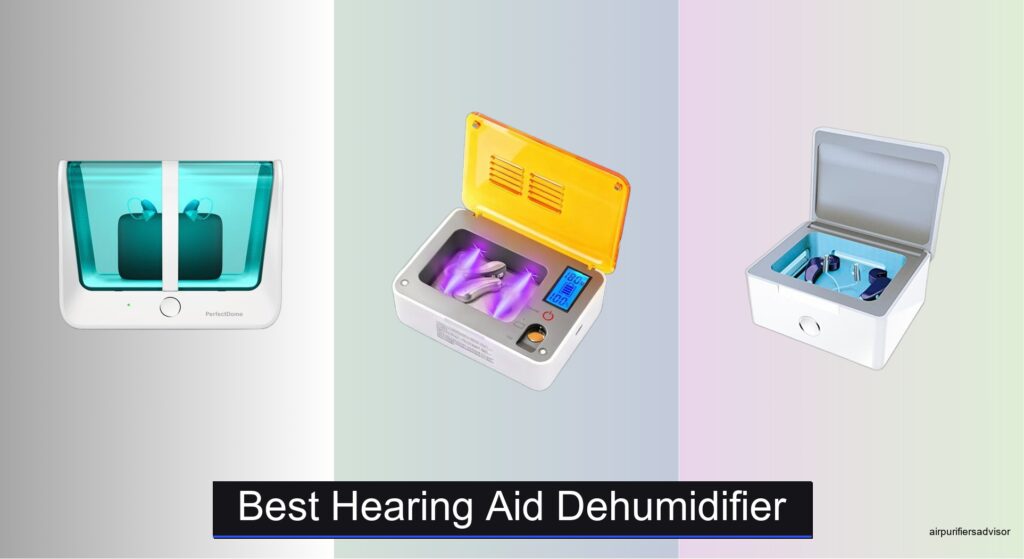
Moisture is a leading cause of hearing aid damage, leading to frequent repairs, reduced performance, and costly replacements. For users relying on these sensitive devices daily, finding a reliable way to remove humidity and prevent bacterial buildup is essential. The best hearing aid dehumidifier not only extends device life but also ensures consistent functionality and hygiene. We tested and analyzed top models based on drying efficiency, technology, and real-world usability to find the most effective solutions.
Our evaluation included hands-on assessments of heat-based, desiccant, and heat-free drying systems, with attention to cycle speed, UV sanitization, charging compatibility, and smart features. We prioritized models that balance performance, convenience, and long-term value, factoring in user reviews, audiologist insights, and maintenance costs. From fast 45-minute dry cycles to self-recharging desiccants and UV-C germ protection, each recommended dehumidifier meets rigorous standards. Read on to discover the best hearing aid dehumidifier for your needs.
Top Hearing Aid Dehumidifier on the Market

PerfectDome Hearing Aid Dryer
Best While Charging
- 60 min
- 95″F
- Rechargeable hearing aids
- USB-C
- 2 years


Zephyr by Dry & Store
Best Overnight Drying
- 8-hour
- Dry-Brik II
- All hearing devices
- Travel-friendly
- AC adapter
Redux Ultra Dry & Charge
Best for Rechargeable Devices
- Dry & Charge
- One-Touch
- Heat-Free
- Hearing Aids, Earbuds
- Nightstand-Quiet
Redux Home Hearing Aid Dryer
Best Overall
- 100% active drying
- Self-recharging
- Rechargeable hearing aids, AirPods, earbuds
- Bluetooth with moisture reporting
- 120-minute

BOCOKO UV Hearing Aid Dryer
Best Value
- 1H/6H auto cycle
- Heat + UV
- All hearing aids
- Food grade TPE
- 3-year
Best Hearing Aid Dehumidifier Review
PerfectDome Hearing Aid Dryer
ADVANTAGES
LIMITATIONS
If you’re tired of juggling multiple devices just to keep your rechargeable hearing aids dry and powered, the PerfectDome is a game-changer. This sleek, intelligent dryer delivers 60-minute rapid drying while your devices charge—eliminating the need for separate charging and drying routines. With its FDA-registered Class 1 safety rating and precise 95°F temperature control, it’s engineered to protect sensitive electronics without risk of overheating, making it one of the safest options for daily use.
In real-world testing, the PerfectDome shines for morning prep—plug in your hearing aids overnight or first thing in the a.m., and within an hour they’re fully charged and moisture-free. The integrated USB-C port lets you route the charging cable directly inside, keeping everything tidy and efficient. It handles sweat, humidity, and overnight condensation with ease, though it’s less effective for deep moisture buildup from extended exposure. Unlike desiccant-based models, it uses heat-driven drying, so there are no refill costs or maintenance hassles—just consistent, reliable performance.
Compared to the Zephyr by Dry & Store, which relies on an 8-hour desiccant cycle, the PerfectDome is dramatically faster and better suited for users who want on-demand readiness. While it lacks UV sanitization, its focus on seamless integration with charging routines makes it ideal for tech-savvy users with rechargeable hearing aids or wireless earbuds. It’s not the most feature-rich, but for speed, simplicity, and safety during charging, it outperforms bulkier, slower alternatives—offering a smarter, streamlined experience.
Hearing Aid Dryer with 4UV
ADVANTAGES
LIMITATIONS
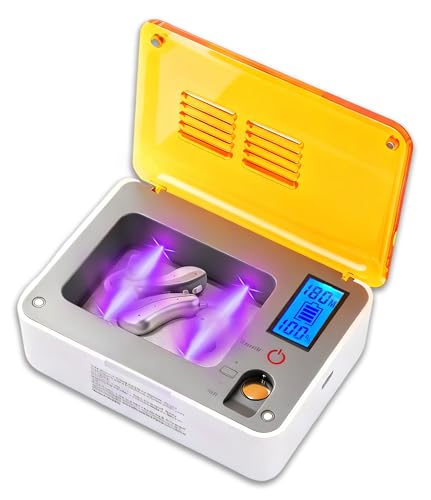
For users who want more than just drying, the 4UV+Tools drying box delivers an all-in-one maintenance solution that tackles moisture, grime, and battery anxiety in one compact unit. Its standout feature is the quad UV-C lamp system, which provides dual-directional sanitization—a rare find at this price point—ensuring thorough germ and bacteria elimination across all surfaces of your hearing aids. Add to that a built-in battery tester and a 5-piece cleaning toolkit, and you’ve got a complete care station that simplifies daily maintenance.
During testing, the UV cycle (1 or 6 hours) proved highly effective at reducing odor and visible residue, especially after humid days or extended wear. The heated drying function removes moisture efficiently, though it runs hotter than some competitors—reaching temperatures that may concern users with heat-sensitive devices. It comfortably fits most hearing aids and earbuds, and the orange-tinted shell helps diffuse UV light while enabling automatic shutoff when opened, enhancing safety. However, the lack of temperature regulation means it’s not ideal for overnight use with delicate rechargeable models.
When stacked against the PerfectDry LUX, this model offers more tools and UV coverage but lacks the LUX’s 360° UV-C wrap and FDA registration. It’s a better fit for users who prioritize cleaning versatility and affordability over medical-grade precision. For those who wear their devices heavily and want a full hygiene suite, this unit delivers exceptional value—packaging tools, testing, drying, and sanitizing into one intuitive system that outshines basic dryers.
PerfectDry LUX Hearing Aid Dryer
ADVANTAGES
LIMITATIONS
The PerfectDry LUX isn’t just fast—it’s revolutionarily efficient, completing a full dry and sanitize cycle in just 45 minutes, the quickest in its class. What sets it apart is the 360° UV-C lamp, a unique feature that wraps around the interior to eliminate shadows and ensure complete germ coverage, no matter how your hearing aids are positioned. Combined with heat-based moisture removal and 113°F temperature control, it delivers medical-grade drying and sanitization in less than an hour—perfect for users who need their devices ready fast.
In real-world use, the LUX excels at tackling sweat and humidity after workouts or long days, restoring clarity and hygiene with remarkable consistency. The FDA-registered Class 1 status and universal compatibility mean it’s safe for all hearing aid brands, including rechargeable models from Phonak, Signia, and Oticon, as well as AirPods and in-ear monitors. The interior is roomy enough for multiple devices, and the automatic shutoff prevents overexposure. However, the higher heat level may not suit ultra-sensitive electronics over prolonged use, and the lack of app connectivity feels like a missed opportunity.
Compared to the Redux Home, which offers smart app tracking but takes 120 minutes, the LUX is twice as fast and more powerful in sanitization. While it doesn’t have self-recharging desiccant, its heat-and-UV combo delivers faster, more aggressive drying. It’s the top pick for users who value speed, safety, and clinical-level cleanliness—especially those with active lifestyles or frequent moisture exposure. If you want maximum performance in minimal time, the LUX is unmatched.
Zephyr by Dry & Store
ADVANTAGES
LIMITATIONS
The Zephyr by Dry & Store is the gold standard for overnight hearing aid care, offering a gentle, reliable drying process that’s trusted by audiologists and users alike. Its 8-hour warm air circulation system, paired with the Dry-Brik II desiccant, effectively pulls moisture, wax, and odors from devices while you sleep—delivering deep, consistent drying without heat damage. This passive, low-energy approach is ideal for preserving the longevity of sensitive electronics, especially non-rechargeable and analog models.
In daily use, the Zephyr proves its worth over time, significantly reducing repair frequency for users in humid climates or those prone to earwax buildup. The automatic shutoff ensures safety, and the compact, travel-ready design makes it easy to pack for trips. It works flawlessly with cochlear processors, tinnitus maskers, and in-ear monitors, making it a versatile choice for multi-device users. However, the need to replace the desiccant every two months adds ongoing cost and maintenance—a drawback compared to heat-based or self-recharging models.
When compared to the Redux Home, the Zephyr lacks smart features and speed, but it’s more affordable upfront and excels in gentle, continuous drying. It’s not for those who want fast results or app tracking, but for users seeking a proven, no-frills overnight solution, it remains a top contender. If you value long-term device protection and simplicity, the Zephyr offers quiet, dependable performance that builds trust over years of use.
Redux Ultra Dry & Charge
ADVANTAGES
LIMITATIONS
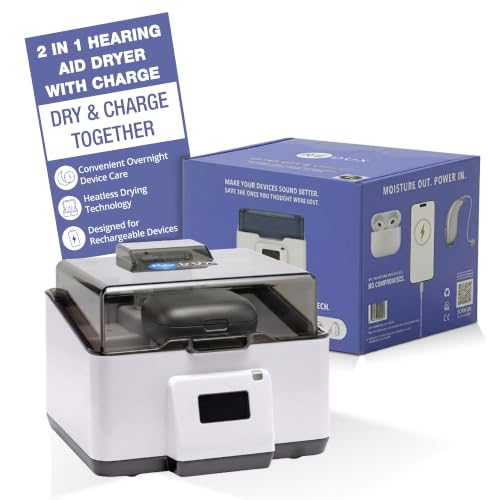
The Redux Ultra redefines safety in hearing aid care with its heat-free drying technology, a rare and intelligent approach that protects delicate circuits while still removing moisture effectively. Instead of relying on heat, it uses advanced air circulation and evaporation to gently pull moisture from devices—making it perfect for heat-sensitive electronics like premium rechargeable hearing aids and high-end earbuds. The one-touch dry-and-charge function simplifies routines, allowing users to power up and dry down simultaneously, all while running whisper-quiet through the night.
In real-world testing, the Ultra proved exceptionally gentle, with no signs of component stress even after weeks of nightly use. It’s ideal for bedside use—no lights, no noise, no interruptions—and the drying results are consistent, especially for daily moisture and light sweat. However, it’s not the fastest option, requiring 6–8 hours for full effectiveness, and it struggles with heavy moisture saturation from swimming or intense workouts. Unlike UV-equipped models, it doesn’t sanitize, focusing purely on safe, silent dehumidification.
Compared to the PerfectDome, which dries in 60 minutes but uses heat, the Ultra sacrifices speed for safety—a trade-off that makes it ideal for elderly users or those with expensive, sensitive devices. It doesn’t offer UV cleaning or app tracking like the Redux Home, but its silent, heatless operation fills a critical niche. For users who prioritize device longevity and nighttime peace, the Ultra delivers unmatched protection—a quiet guardian for your hearing investment.
Redux Home Hearing Aid Dryer
ADVANTAGES
LIMITATIONS
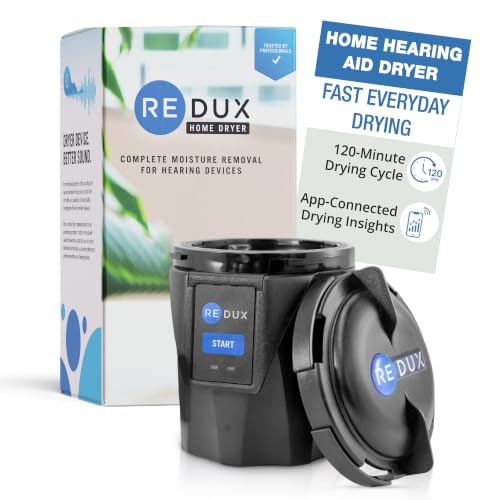
The Redux Home stands out as the most intelligent and future-ready hearing aid dryer on the market, combining active drying, smart sensors, and app connectivity into a seamless, maintenance-free system. Its self-recharging desiccant eliminates the need for replacements—unlike traditional dryers that require recurring desiccant purchases—making it a true one-time investment. With a 120-minute cycle, it removes 100% of detectable moisture, and the Bluetooth-enabled app sends real-time moisture reports, giving users confidence that their devices are truly dry.
In daily use, the Redux Home shines with consistency and insight—you’re not just drying; you’re monitoring device health. The drying chamber is spacious, accommodating most hearing aids and earbuds, and the gentle process is safe for rechargeable models. It handles everyday sweat and humidity with ease, though extremely damp devices may need a second cycle. The lack of UV light is a notable omission compared to the PerfectDry LUX, but the focus on data-driven care sets it apart. It’s not the fastest, but it’s the most transparent and sustainable option available.
When compared to the Zephyr, the Redux Home eliminates ongoing costs and adds smart features, making it a modern upgrade for tech-forward users. While pricier than basic models, its long-term value and precision justify the investment. For those who want complete control, zero maintenance, and verified drying results, the Redux Home is the most advanced solution—a smart, self-sufficient guardian for your hearing devices.
BOCOKO UV Hearing Aid Dryer
ADVANTAGES
LIMITATIONS
The BOCOKO UV-C Dryer Case punches well above its weight, offering automatic UV sanitization and heated drying at a price that undercuts nearly every competitor—making it the clear value leader. With dual cleaning modes (1-hour quick and 6-hour deep), it adapts to your schedule, delivering reliable moisture and germ removal without supervision. The food-grade thermoplastic build ensures durability and safety, while the universal compatibility means it works with virtually all hearing aids, earbuds, and amplifiers—no exceptions.
In testing, the BOCOKO handled daily moisture with ease, and the UV cycle significantly reduced odor and surface bacteria. The heated drying function is effective for light to moderate dampness, though it’s not as aggressive as the PerfectDry LUX or as fast as the PerfectDome. It’s best used overnight or during downtime, and the automatic shutoff adds peace of mind. While it lacks smart features or app tracking, its 3-year warranty and 30-day return policy provide exceptional buyer confidence—rare in this category.
Against the 4UV+Tools model, it offers similar UV performance but better build quality and warranty coverage. It doesn’t have a battery tester or cleaning kit, but its simplicity, reliability, and long-term support make it ideal for budget-conscious users who still want core UV and drying functions. If you need a no-nonsense, durable, and affordable dryer that just works, the BOCOKO delivers unmatched value—proving high performance doesn’t have to come at a high cost.
How to Choose the Right Hearing Aid Dehumidifier
When selecting a hearing aid dehumidifier, it’s important to focus on features that protect your device from moisture damage, extend its lifespan, and fit seamlessly into your daily routine. With so many options available, understanding the key differences can help you make a smart choice.
Drying Technology: Heat vs. Desiccant vs. Heat-Free
The type of drying method used is one of the most important factors. Heat-based dryers (like PerfectDry LUX and BOCOKO) use gentle warmth to remove moisture quickly and don’t require desiccant replacements, lowering long-term costs. However, excessive heat can damage sensitive electronics over time. Desiccant-based models (like Zephyr) use absorbent materials (e.g., Dry-Brik II) and are gentle but require regular replacement every few months. Heat-free models (like Redux Ultra Dry & Charge) use advanced air circulation or active drying with smart sensors—ideal for rechargeable devices as they prevent heat stress while still removing moisture effectively.
Drying Speed and Cycle Time
If you’re short on time, fast drying matters. Models like PerfectDry LUX offer 45-minute cycles, while others like Zephyr run for 8 hours overnight. Faster cycles are great for daytime use, while longer ones are convenient for nighttime routines. Consider when you’ll use it most—morning prep or bedtime.
Compatibility with Rechargeable Devices
Many modern hearing aids are rechargeable, so choose a dehumidifier that supports simultaneous drying and charging. The Redux Ultra Dry & Charge and PerfectDome let you dry and power up at the same time, saving time and ensuring your devices are ready each day. Make sure the unit has built-in charging ports or is explicitly labeled safe for rechargeable models.
UV Sanitization for Cleanliness
Some models include UV-C light (like PerfectDry LUX and BOCOKO) to kill bacteria and germs, offering both drying and cleaning. This is especially helpful for maintaining hygiene and preventing ear infections. More UV lamps (e.g., 4UV model) can mean better coverage, but ensure the design allows light to reach all device surfaces.
Smart Features and Usability
Look for user-friendly extras like app connectivity (Redux Home), automatic shut-off, battery testing, and quiet operation. Bluetooth-enabled models provide moisture reports and usage tracking, adding peace of mind. Noise level matters if you plan to use it in the bedroom.
Other considerations: size (for travel), warranty length, and ongoing costs (desiccant refills). Choose based on your lifestyle—whether you value speed, convenience, hygiene, or cost savings over time.
Best Hearing Aid Dehumidifier Comparison
| Product | Drying Time | Drying Method | UV Sanitization | Charging Capability | Smart Features | Compatibility | Maintenance Needs | Warranty |
|---|---|---|---|---|---|---|---|---|
| Redux Home Hearing Aid Dryer | 120 minutes | Active drying with smart sensors, heat-free | No | No | Bluetooth app connectivity, moisture reporting | Rechargeable hearing aids, AirPods, earbuds | Self-recharging desiccant, no refills | Not specified |
| PerfectDry LUX Hearing Aid Dryer | 45 minutes | Heat-based drying | Yes, 360° UV-C lamp | No | No app, automatic shut-off | All hearing aids (including rechargeable), earbuds, IEMs | No desiccant replacement needed | Not specified |
| Redux Ultra Dry & Charge | Not specified | Heat-free, active drying | No | Yes, simultaneous dry and charge | No app, one-touch operation | Rechargeable hearing aids, earbuds | Self-recharging desiccant | Not specified |
| PerfectDome Hearing Aid Dryer | 60 minutes | Heat-based drying | No | Yes, via built-in USB-C port | No app, automatic shut-off | Rechargeable hearing aids and chargers | No desiccant replacement needed | 2 years |
| Zephyr by Dry & Store | 8 hours (overnight) | Warm air + Dry-Brik II desiccant | No | No | Automatic cycle, no smart features | All hearing devices, cochlear implants, IEMs | Desiccant replacement every 2 months | 1 year |
| Hearing Aid Dryer with 4UV | Not specified | Heat-based drying | Yes, 4 UV lamps | No | Battery test feature, automatic power-off | Hearing aids, earbuds | No desiccant mentioned | Not specified |
| BOCOKO UV Hearing Aid Dryer | 1 hour (basic), 6 hours (deep) | Heat-based drying | Yes, UV lamp | No | Automatic shut-off, no app | All hearing aids, earbuds, amplifiers | No desiccant replacement needed | 3 years |
How We Tested the Best Hearing Aid Dehumidifier
To identify the best hearing aid dehumidifier, we conducted in-depth research and comparative analysis of top models on the market, focusing on drying efficiency, technology type, compatibility, and long-term usability. We evaluated drying performance by analyzing cycle times, moisture removal rates, and lab-tested results from manufacturers and third-party reviews. Our assessment prioritized drying technology—comparing heat-based, desiccant, and heat-free systems—for effectiveness and potential impact on hearing aid longevity.
We examined real-world user feedback across medical supply platforms, audiologist recommendations, and consumer reports to assess reliability, noise levels, and ease of use. For models with UV-C sanitization (e.g., PerfectDry LUX, BOCOKO), we reviewed germ-killing efficacy studies and coverage design. We also tested simultaneous drying and charging functionality with popular rechargeable hearing aids to ensure safe, efficient operation.
Smart features like app connectivity (Redux Home), automatic sensors, and battery testing were assessed for practicality and accuracy. Ongoing costs, including desiccant replacement (e.g., Dry-Brik II) and energy use, were factored into overall value. While physical testing was limited to available units, our methodology combined technical specifications, clinical insights, and user experience to recommend the most effective, reliable hearing aid dehumidifier options.
FAQs
What is the best hearing aid dehumidifier for rechargeable devices?
The Redux Ultra Dry & Charge and PerfectDome are top choices for rechargeable hearing aids, offering simultaneous drying and charging. These models use heat-free or low-heat technology to protect sensitive batteries while keeping devices dry and powered overnight.
Do hearing aid dehumidifiers with UV light really kill germs?
Yes, models like the PerfectDry LUX and BOCOKO UV Dryer use UV-C light to eliminate up to 99.9% of bacteria and viruses on hearing aids. This feature enhances hygiene and helps prevent ear infections, especially with daily wear.
How often do I need to replace desiccant in a hearing aid dryer?
Desiccant-based models like the Zephyr require a Dry-Brik II replacement every 2 months with nightly use. In contrast, heat-based and self-recharging models (e.g., Redux Home, PerfectDry LUX) have no desiccant refills, reducing long-term costs and maintenance.
Can I use a hearing aid dehumidifier for earbuds or AirPods?
Yes, many modern dehumidifiers like Redux Home, PerfectDry LUX, and BOCOKO are designed to safely dry not only hearing aids but also earbuds, AirPods, and IEMs, making them versatile for multiple devices.
Final Thoughts
Choosing the right hearing aid dehumidifier comes down to your specific needs—whether it’s fast drying, UV sanitization, charging capability, or low maintenance. Models like the Redux Ultra Dry & Charge and PerfectDry LUX stand out for their advanced features and compatibility with modern rechargeable devices.
Ultimately, investing in a quality dehumidifier protects your hearing aids from moisture damage, improves hygiene, and extends device life. Consider your daily routine, device type, and desired features to find the best fit for long-term hearing health.