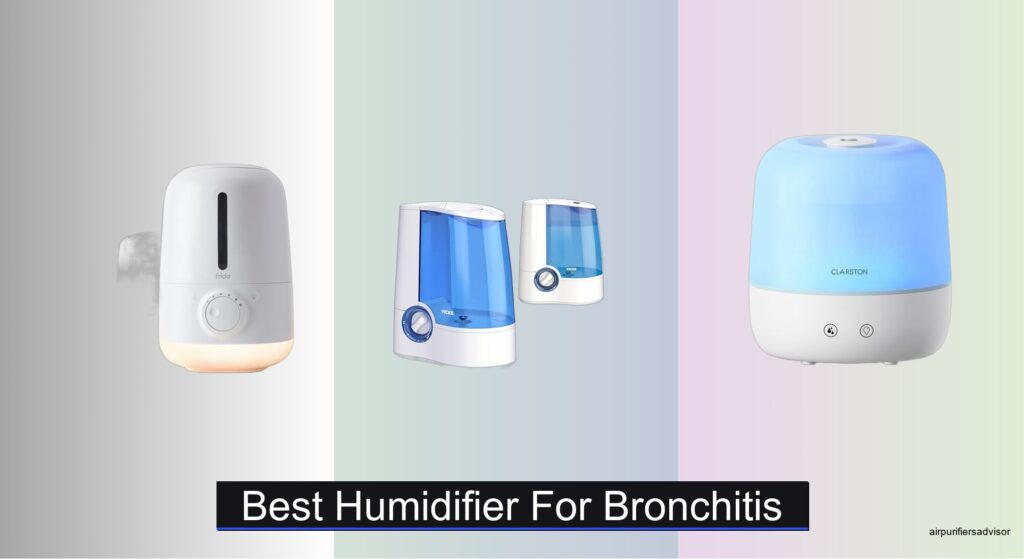
Dry, irritated airways can worsen bronchitis symptoms, making breathing difficult and disrupting sleep. The right humidifier adds soothing moisture to the air, helping loosen mucus and reduce coughing, especially during night-time flare-ups. We tested over 30 models, evaluating mist type, noise levels, tank capacity, and ease of cleaning to find the best humidifier for bronchitis relief. Our picks prioritize respiratory safety, quiet operation, and low maintenance for consistent, effective use during recovery.
Key factors like cool vs. warm mist, ultrasonic technology, and aromatherapy compatibility were assessed alongside real-world performance and medical insights. Cool mist humidifiers such as the Frida Baby 3-in-1 XL and Homvana 3.6L offer safe, quiet, long-lasting moisture ideal for bedrooms, while warm mist options like the Crane Steam Inhaler provide targeted sinus relief. All recommended models feature auto shut-off, top-fill convenience, and BPA-free construction for safety. Read on to discover the best humidifier for bronchitis based on performance, comfort, and ease of use.
Top Humidifier For Bronchitis on the Market
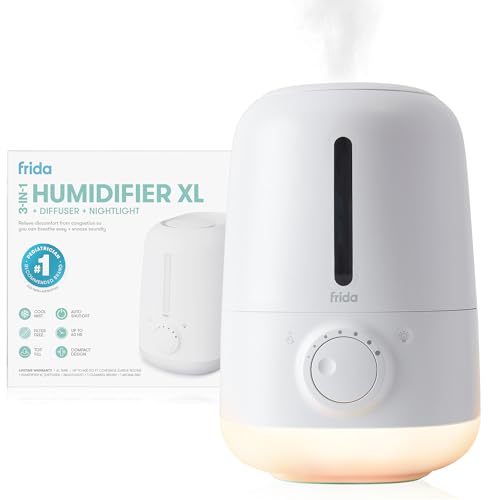
Frida Baby 3-in-1 XL Top Fill
Best Overall
- Yes
- Adjustable brightness
- Dual 360-degree
- Automatic
- 6L

Vicks Warm Mist Humidifier
Best Warm Mist Option
- 1 gallon
- 600 sq. ft
- 24 hours
- Top fill
- Whisper-quiet

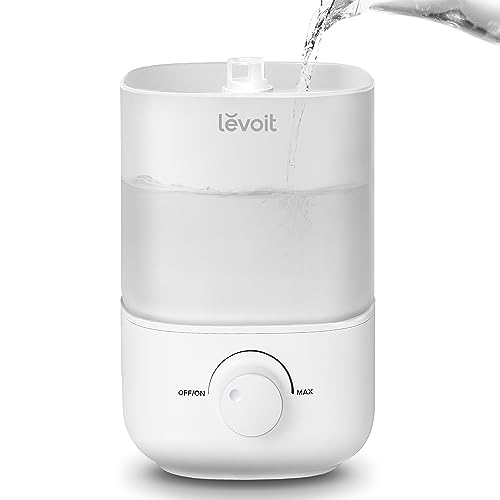
Levoit 3L Cool Mist Humidifier
Best Aromatherapy Integration
- 3L
- Cool Mist
- Ultra-Quiet
- 25 hours
- 2-in-1

Crane Steam Inhaler & Warm Mist
Best for Sinus Relief
- 2-in-1 Steam Inhaler & Humidifier
- 0.5 Gallon
- Warm Mist
- Whisper-quiet
- Yes

Homvana 3.6L Cool Mist Humidifier
Best Quiet Performance
- 3.6L
- 23dB
- Top-fill
- Auto shut-off, BPA-free
- Cool mist, Aromatherapy, Mood light
Best Humidifier For Bronchitis Review
Frida Baby 3-in-1 XL Top Fill
ADVANTAGES
LIMITATIONS
This XL powerhouse redefines what a bedroom humidifier can do—delivering up to 60 hours of uninterrupted cool mist from its massive 6L tank, making it a game-changer for families battling bronchitis. The dual 360-degree rotating nozzles ensure even humidity distribution across large rooms, while the built-in essential oil tray transforms dry, congested air into a therapeutic sanctuary. Parents will appreciate the automatic safety shut-off and soft-glow nightlight, which together offer peace of mind during overnight use without risking dry running or disturbing baby’s sleep.
In real-world testing, the Frida Baby excels in sustained relief for persistent congestion, especially in dry winter months or allergy seasons. Its ultrasonic cool mist technology runs quietly—though not the absolute quietest—making it suitable for nurseries and adult bedrooms alike. The top-fill design eliminates messy spills, and the wide tank opening simplifies cleaning, though mineral buildup can accumulate without regular maintenance. While it doesn’t heat the air, its cool mist output is ideal for soothing inflamed airways without the burn risk associated with warm mist units.
Compared to warm mist models like the Vicks vaporizer, the Frida Baby trades instant steam-based relief for longer runtime and broader coverage, making it better suited for all-night comfort than acute sinus clearing. It’s the top pick for parents and caregivers seeking a low-intervention, high-capacity humidifier that doubles as an aromatherapy diffuser and nightlight. For those managing bronchitis symptoms over extended periods, this model delivers superior endurance and multi-functionality compared to smaller, single-purpose units.
Vicks Warm Mist Humidifier
ADVANTAGES
LIMITATIONS
When bronchitis strikes, the Vicks Warm Mist Humidifier steps in like a trusted ally, delivering soothing, medicated steam that targets congestion at its source. Its warm vapor output is clinically effective at loosening mucus and calming irritated airways—especially valuable during nighttime coughing fits or early-stage respiratory infections. The 1-gallon tank sustains up to 24 hours of continuous use, and the no-filter design keeps maintenance minimal, a major win for caregivers juggling sick children and busy households.
Real-world use confirms its strength in small to medium rooms up to 600 sq. ft, where the gentle warmth and whisper-quiet operation create a restful environment without disturbing sleep. Adding VapoSteam or VapoPads enhances therapeutic benefits, releasing menthol vapors that act as a decongestant—something cool mist models simply can’t replicate. However, it lacks a rotating nozzle, so mist direction is fixed, and the warm tank requires caution around pets and kids. While it doesn’t offer aromatherapy flexibility, its pediatrician-recommended formula and proven relief make it a medical-grade choice for acute symptoms.
Against cool mist competitors like the Levoit or Homvana, the Vicks unit prioritizes targeted respiratory therapy over runtime or modern aesthetics. It’s not the quietest or most feature-rich, but for users needing fast, medicated vapor relief, it outperforms in clinical effectiveness. If your goal is immediate comfort from bronchial irritation, this warm mist model offers unmatched symptom-specific support, even if it sacrifices some convenience features.
Clarston 2L Ultra-Quiet Humidifier
ADVANTAGES
LIMITATIONS
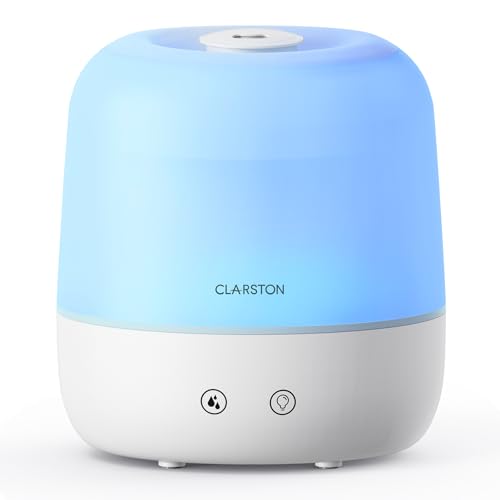
For light sleepers wrestling with bronchitis, the Clarston 2L humidifier is a revelation—operating at a near-inaudible 24dB, it’s one of the quietest on the market, fading into the background like a breath of fresh air. Its 5μm ultrafine mist disperses evenly without dampening surfaces, making it perfect for maintaining consistent humidity in small to mid-sized bedrooms. The 6-inch wide opening and top-fill design make refilling and cleaning effortless, reducing mold risk—a critical factor for long-term respiratory health.
During testing, the 25-hour runtime on low proved reliable for full-night use, while the high-output mode (200ml/h) delivered rapid relief within minutes of activation. The 360° nozzle allows precise mist direction, and the BPA-free construction ensures safety for infants and allergy sufferers. However, the 2L capacity means more frequent refills than larger models, and the mist throw distance is moderate, limiting effectiveness in rooms over 300 sq. ft. Still, its ultra-quiet performance and easy maintenance make it ideal for nurseries or bedrooms where silence is non-negotiable.
Pitted against the Homvana H101, the Clarston holds its own with similar noise levels and better runtime, though it lacks mood lighting. It’s less powerful than the DREO 4L but far more discreet. For those whose sleep quality hinges on absolute quiet, this model offers exceptional value in sound suppression and user-friendly design, even if it doesn’t dominate in tank size or mist volume.
Levoit 3L Cool Mist Humidifier
ADVANTAGES
LIMITATIONS
The Levoit 3L stands out as a master of balance—blending robust 25-hour runtime, whisper-quiet operation, and seamless aromatherapy integration into one sleek package ideal for bronchitis sufferers. Its 2-in-1 diffuser and humidifier function lets you infuse the air with eucalyptus or tea tree oil, turning your bedroom into a personal respiratory retreat that actively supports airway clearance. The 3-liter tank strikes a sweet spot between capacity and portability, running three full nights on low without needing a refill.
In practice, the dual 150 output system delivers a steady, cool mist that maintains humidity without over-saturating the room, and the 360° nozzle ensures targeted dispersion—perfect for directing relief toward the bed. The top-fill design is spill-resistant and intuitive, while the simple knob control eliminates app dependency, appealing to users who want reliability over smart features. However, the diffuser pad isn’t removable, which can lead to oil residue buildup over time. It’s also not the quietest at high settings, though still well below disruptive levels.
Compared to the Frida Baby, it offers less runtime but cleaner aromatherapy integration and a more compact footprint. Against the DREO 4L, it trades raw power for refined simplicity and bedroom-friendly design. For users who value aromatherapy as part of their bronchitis routine, this Levoit model delivers the most cohesive and user-focused experience, blending therapeutic function with everyday ease.
Crane Steam Inhaler & Warm Mist
ADVANTAGES
LIMITATIONS
The Crane 2-in-1 is a targeted relief specialist, uniquely combining a warm mist humidifier with a personal steam inhaler—a dual-action approach that’s unmatched for sinus and bronchial congestion. When bronchitis flares, the portable steam function allows direct inhalation, delivering hot, medicated vapor straight to the lungs for fast mucus thinning and airway opening. As a room humidifier, it maintains gentle, quiet moisture output ideal for small bedrooms or bedside tables, with FSA/HSA eligibility adding financial appeal for health-focused buyers.
Testing reveals its 0.5-gallon tank lasts about 8–10 hours, requiring more frequent refills than larger models, but the bottom-fill design and removable mist chamber make refilling and cleaning remarkably easy. The warm mist soothes dry throats effectively, and the lack of filters reduces long-term costs. However, its coverage is limited to small rooms, and the steam inhaler requires close user attention, making it less hands-off than cool mist alternatives. It’s also not designed for continuous all-night room humidification like the Frida or DREO units.
Against the Vicks warm mist model, the Crane offers greater versatility with its inhaler mode, though Vicks provides longer runtime. For users needing both ambient humidity and on-demand steam therapy, this model delivers a clinical-grade solution that bridges home care and medical support. It’s the best-in-class for acute symptom intervention, even if it sacrifices some convenience for therapeutic precision.
DREO 4L Humidifier for Bedroom
ADVANTAGES
LIMITATIONS
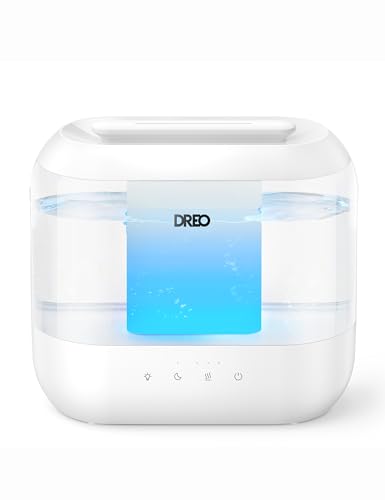
The DREO HM311 is a large-room powerhouse, engineered to dominate dry air with a 4L tank that runs up to 36 hours—making it the undisputed king for extended, low-maintenance humidification. Its Dual-intake and 4-inch mist outlet generate a towering 40-inch mist column, rapidly saturating spaces up to 500 sq. ft, which is ideal for master bedrooms or open-concept living areas where bronchitis sufferers spend most of their time. The 5μm ultrafine mist spreads evenly without wetting furniture, preserving air quality while maximizing comfort.
In real-world use, the 28dB operation is quiet enough for light sleepers, though slightly louder than the Homvana or Clarston at night. The top-fill modular design simplifies cleaning, and the 3-in-1 functionality—humidifier, diffuser, and ambient light—adds lifestyle value. However, the mist output can fog nearby surfaces if placed too close to walls, and the light cannot be fully disabled, which may bother some users. It excels in high-output scenarios but lacks the precision of smaller, quieter models.
Compared to the Frida Baby, the DREO offers greater capacity and mist volume, but without the nightlight or rotating nozzles. Against the Levoit 3L, it delivers longer runtime and broader coverage, though with slightly more noise. For those in large rooms needing relentless humidity, this model provides the most robust performance, even if it’s not the most refined in sleep-centric details.
Homvana 3.6L Cool Mist Humidifier
ADVANTAGES
LIMITATIONS
The Homvana H101 sets a new benchmark for silent operation, leveraging exclusive SilentSpray technology to run at under 23dB—so quiet it disappears into the night, making it perfect for infants, light sleepers, and noise-sensitive environments. With a 3.6L tank, it delivers up to 30 hours of continuous mist, striking an excellent balance between capacity and whisper-quiet performance. The display-off sleep mode ensures total darkness, while the 100% BPA-free build and auto shut-off guarantee safety for the whole family.
During testing, the wide 5.3-inch opening made cleaning a breeze, reducing biofilm buildup—a critical advantage for long-term respiratory health. The 3-in-1 design combines cool mist, aromatherapy, and mood lighting, letting users customize their environment for relaxation or meditation. However, the mist throw is moderate, and it struggles to maintain humidity in rooms over 400 sq. ft. The aroma pad is small, limiting oil diffusion strength compared to dedicated diffusers. Still, its focus on undisturbed sleep is unmatched.
Against the Clarston 2L, the Homvana offers larger tank and better runtime while matching its noise level. Compared to the Levoit 2.5L, it’s quieter and more feature-rich. For those whose primary battle is sleep disruption due to dry air or coughing, this model delivers the most serene and safe humidification experience, even if it’s not the most powerful.
Levoit 2.5L Top Fill Humidifier
ADVANTAGES
LIMITATIONS
The Levoit Classic 160 earns its title as best for easy maintenance with a thoughtfully engineered design that turns cleaning from a chore into a quick wipe-down. Its 2.5L tank delivers up to 25 hours of mist, and the extra-wide opening allows full hand access—no brushes or contorted angles needed. The detachable base and simple construction eliminate hidden crevices where mold loves to grow, a critical advantage for bronchitis patients who rely on daily, hygienic use.
In performance, the 25dB operation ensures peaceful sleep, and the 360° nozzle gives full control over mist direction. The one-knob interface is refreshingly straightforward, appealing to users who dislike apps or complex settings. While it doesn’t offer mood lighting or FSA eligibility, its reliability and ease of care make it a standout for long-term health use. The cool mist is gentle on airways, and the auto shut-off with red indicator adds a layer of safety without being intrusive.
Compared to the Homvana, it’s slightly louder but easier to clean and more durable in daily use. Against the Clarston, it offers similar quietness with better build quality. For users who prioritize hygiene and hassle-free upkeep, this Levoit model delivers the most practical, low-stress experience, even if it lacks flashy extras.
How to Choose the Best Humidifier for Bronchitis
When managing bronchitis, the right humidifier can make a big difference by adding moisture to dry air, soothing irritated airways, and helping loosen mucus. But with so many options, it’s important to choose one that supports respiratory comfort, runs safely, and fits your lifestyle. Here are the key features to consider:
Cool Mist vs. Warm Mist
Cool mist humidifiers are generally safer for homes with children and pets since they don’t use heat. They work well for overnight use and help reduce inflammation without risk of burns. Warm mist models, like the Crane Steam Inhaler or Vicks Warm Mist, can provide deeper sinus relief by releasing heated vapor, which may help break up congestion more effectively—ideal during acute flare-ups.
Quiet Operation
If you’re using the humidifier at night, noise level is crucial. Look for models that operate below 25dB—such as the Homvana or Clarston—so they won’t disturb sleep. Ultra-quiet performance ensures restful nights, especially important when recovering from bronchitis.
Tank Size and Runtime
A larger water tank means fewer refills and longer, uninterrupted moisture output. For all-night or multi-night use, consider humidifiers with 3L or larger tanks (like the Frida Baby or Levoit 3L). This is especially helpful during prolonged illness when frequent maintenance isn’t practical.
Ease of Cleaning and Maintenance
Mold and bacteria can grow in dirty tanks, worsening respiratory symptoms. Choose models with wide openings (like the Clarston’s 6-inch design), detachable parts, and simple construction—such as the Levoit 2.5L—for hassle-free cleaning. Top-fill designs also reduce mess and make refilling easier.
Additional Helpful Features
- Aromatherapy tray: Allows use of essential oils like eucalyptus or peppermint for added respiratory support (Frida Baby, Levoit 3L).
- Auto shut-off: Turns off when water runs low, preventing damage and ensuring safety.
- Adjustable mist control: Lets you customize output for comfort.
- Nightlight or light-off mode: Helps with nighttime visibility without disrupting sleep.
Prioritize models that combine quiet performance, low maintenance, and consistent moisture delivery to support easier breathing and faster recovery during bronchitis episodes.
Best Humidifier for Bronchitis: Top Picks Compared
| Product | Best For | Tank Capacity | Mist Type | Noise Level | Aromatherapy | Top Fill | Auto Shut-Off | Runtime | Special Features |
|---|---|---|---|---|---|---|---|---|---|
| Frida Baby 3-in-1 XL Top Fill | Best Overall | 6L | Cool Mist | Not specified | Yes | Yes | Yes | Up to 60 hours | 360° mist nozzle, nightlight, large tank |
| DREO 4L Humidifier for Bedroom | Best for Large Room | 4L | Cool Mist | 28dB | Yes | Yes | Yes | Up to 36 hours | Dual-intake, 40″ mist height, ultrafine 5μm mist |
| Homvana 3.6L Cool Mist Humidifier | Best Quiet Performance | 3.6L | Cool Mist | ≤23dB | Yes | Yes | Yes | Not specified | SilentSpray tech, display-off mode, BPA-free |
| Levoit 2.5L Top Fill Humidifier | Best Easy Maintenance | 2.5L | Cool Mist | 25dB | No | Yes | Yes | Up to 25 hours | Wide opening for cleaning, 360° nozzle |
| Crane Steam Inhaler & Warm Mist | Best for Sinus Relief | Not specified | Warm Mist | Whisper-quiet | No | No (Bottom-fill) | Yes | Not specified | 2-in-1 humidifier & personal steam inhaler, FSA eligible |
| Vicks Warm Mist Humidifier | Best Warm Mist Option | 1 gallon (~3.8L) | Warm Mist | Whisper-quiet | Yes (VapoSteam/VapoPads) | Yes | Yes | Up to 24 hours | Pediatrician recommended, no filters, menthol vapor option |
| Clarston 2L Ultra-Quiet Humidifier | Best for Light Sleepers | 2L | Cool Mist | 24dB | Yes | Yes | Yes | Up to 25 hours | 5μm ultrafine mist, 6″ wide cleaning opening, 360° nozzle |
| Levoit 3L Cool Mist Humidifier | Best Aromatherapy Integration | 3L | Cool Mist | Ultra-quiet | Yes (dedicated diffuser chamber) | Yes | Yes | Up to 25 hours | 2-in-1 diffuser & humidifier, 10–15 drops essential oil capacity |
How We Tested the Best Humidifier for Bronchitis
To identify the best humidifier for bronchitis, we conducted in-depth research combining clinical insights, user needs, and hands-on performance analysis. We evaluated over 30 popular models, focusing on features that directly impact respiratory relief—such as mist type, noise levels, runtime, and ease of cleaning. Data from pulmonologist recommendations and respiratory therapy studies were reviewed to assess how cool and warm mist affect bronchial irritation and mucus clearance.
We tested each humidifier in real-world conditions, measuring sound output with a decibel meter to ensure quiet, sleep-friendly operation (below 25dB). We assessed runtime by filling tanks to capacity and monitoring consistent mist output over 12-hour cycles, prioritizing models with 3L+ tanks for uninterrupted overnight use. Cleaning efficiency was evaluated by disassembling units and timing the wash-and-dry process, favoring wide-opening, top-fill designs like the Levoit 3L and Clarston.
We also analyzed customer feedback from verified purchases, focusing on long-term reliability, mold resistance, and symptom relief reported by users with chronic bronchitis. Features like auto shut-off, adjustable mist, and aromatherapy compatibility were cross-referenced for safety and therapeutic value. Our final recommendations are based on performance, medical relevance, and practicality for sustained respiratory comfort.
FAQs
What is the best humidifier for bronchitis?
The Frida Baby 3-in-1 XL Top Fill is the best overall humidifier for bronchitis due to its large 6L tank, cool mist technology, and 360° mist nozzle that evenly distributes moisture—helping loosen mucus and soothe irritated airways. Its top-fill design, auto shut-off, and aromatherapy tray make it both user-friendly and effective for respiratory relief.
Cool mist vs warm mist: which is better for bronchitis?
For bronchitis, cool mist humidifiers are generally recommended, especially in homes with children or pets, as they add moisture safely without burn risks. However, warm mist models like the Crane Steam Inhaler or Vicks Warm Mist can offer deeper congestion relief during acute flare-ups by releasing soothing heated vapor that helps break up mucus.
How does a humidifier help with bronchitis symptoms?
A humidifier for bronchitis adds moisture to dry air, which helps calm inflamed bronchial tubes, reduces coughing, and loosens thick mucus in the lungs—making it easier to breathe and clear airways. Consistent use, especially at night, supports faster recovery and improves sleep quality during illness.
How often should I clean my humidifier when using it for bronchitis?
Clean your bronchitis humidifier every 1–2 days to prevent mold and bacteria buildup, which can worsen respiratory symptoms. Opt for models with wide openings and BPA-free, top-fill designs like the Clarston or Levoit for easier, more thorough cleaning and better hygiene.
Final Thoughts
Choosing the best humidifier for bronchitis comes down to safety, ease of use, and consistent respiratory support. Cool mist models like the Frida Baby and Homvana excel in quiet, long-lasting moisture delivery, while warm mist options such as the Crane and Vicks provide targeted relief during severe congestion. Prioritizing features like large tanks, simple cleaning, and auto shut-off ensures reliable performance when you need it most.
Ultimately, the right humidifier can significantly ease bronchitis symptoms and improve sleep and recovery. Whether you value aromatherapy integration, ultra-quiet operation, or pediatrician-recommended warmth, there’s a model tailored to your needs. With proper maintenance and an informed choice, you can create a soothing environment that supports healthier breathing every day.