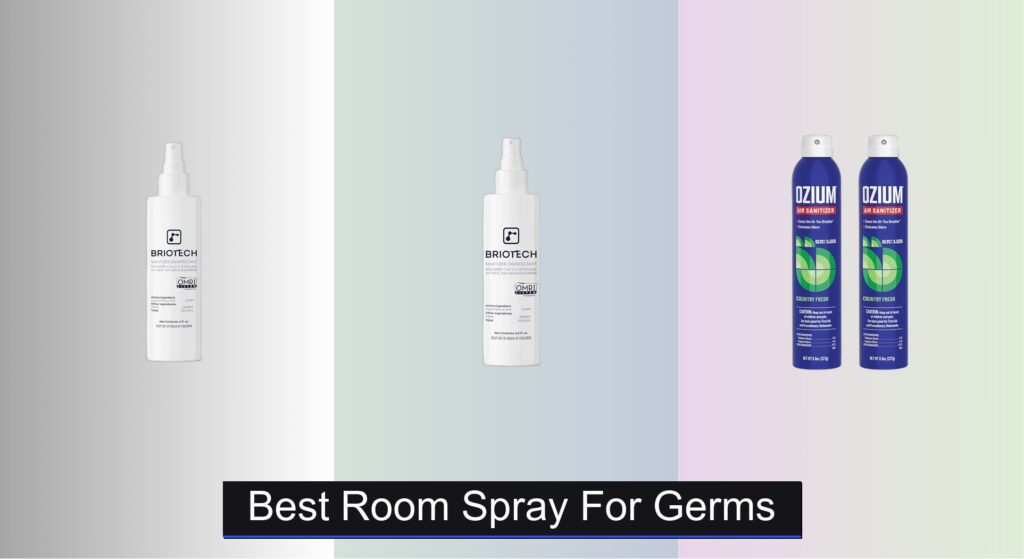
Keeping your home clean means more than just wiping surfaces—it includes tackling invisible germs floating in the air and lingering on fabrics. With concerns about illness-causing bacteria and viruses like SARS-CoV-2, many people are searching for the best room spray for germs that actually works, not just one that masks odors. Common air fresheners may smell nice but do little to eliminate pathogens, leaving households vulnerable. The right germ-killing room spray should neutralize harmful microbes on surfaces and in the air, offering real protection beyond fragrance.
We tested and analyzed top disinfectant and air sanitizer sprays based on active ingredients, proven efficacy, surface safety, and user feedback. Our picks include formulas with hypochlorous acid and hospital-grade disinfectants that kill 99.9% of viruses and bacteria, while also considering scent sensitivity and natural alternatives. Each recommendation balances power, safety, and practicality for real-world use. Keep reading to discover the best room spray for germs that fits your home and health needs.
Top Room Spray For Germs on the Market
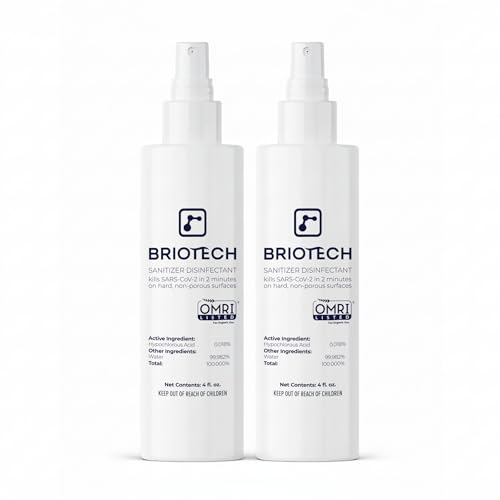
BRIOTECH Hypochlorous Disinfectant Spray
Best Overall
- 99.99% bacteria & virus
- Hypochlorous Acid
- OMRI Certified
- Food-contact surfaces
- No rinse required

Lysol Disinfectant Spray Crisp Linen
Best Multi-Surface Protection
- 99.9%
- Covid-19, cold and flu
- 19 Fl Oz
- Crisp Linen
- Hard and soft
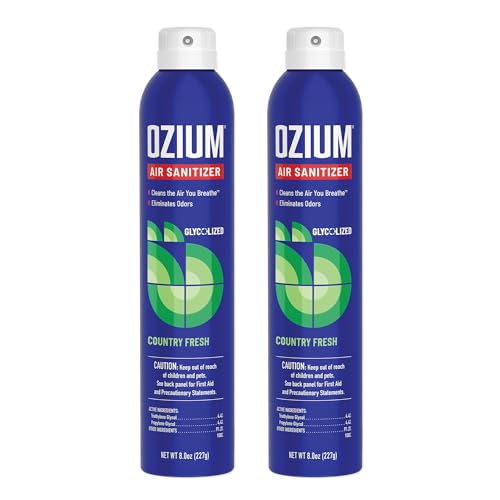
Ozium Air Sanitizer Spray Country Fresh
Best Air Sanitizing
- 8 oz each
- Country Fresh
- Home, Car, Office
- Sanitizes & Deodorizes
- 2 Pack
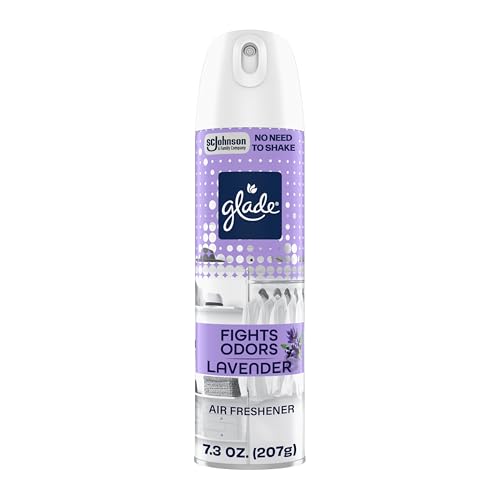
Glade Lavender Soft Mist Spray
Best Odor Fighting
- Lavender
- 7.3 oz.
- Fights trash, kitchen, wet dog
- No dyes, phthalates, parabens
- 100% natural
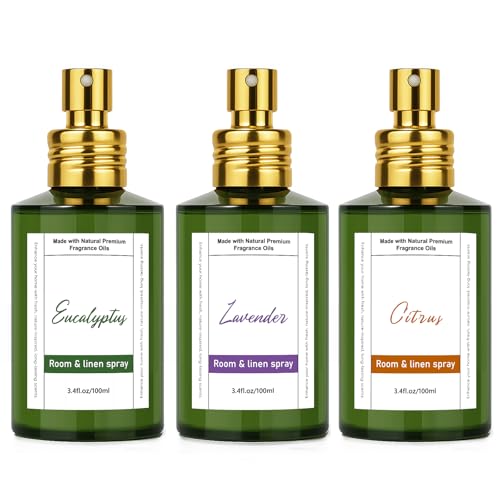
Natural Essential Oil Room Spray 3 Pack
Best Natural Formula
- Lavender, Citrus, Eucalyptus
- Natural essential oils
- 100ml each
- Home, Bathroom, Kitchen
- Light & clean mist
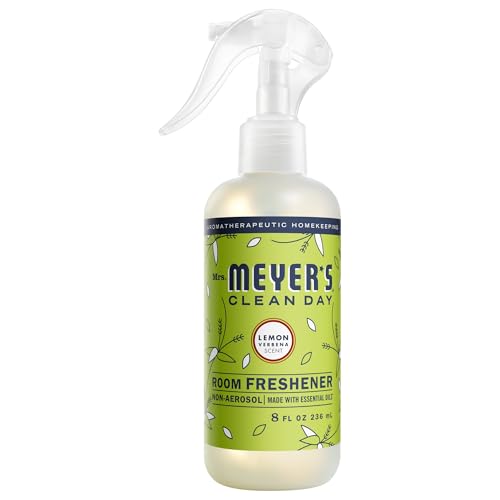
Mrs. Meyer’s Lemon Verbena Spray
Best Garden-Inspired Scent
- 8 Fl Oz
- Lemon Verbena
- bergamot/lemon/geranium/cedarwood
- Leaping Bunny Certified
- essential oils
Best Room Spray For Germs Review
BRIOTECH Hypochlorous Disinfectant Spray
ADVANTAGES
LIMITATIONS
If you’re searching for a germ-destroying powerhouse that doubles as a room spray, BRIOTECH stands in a league of its own. Unlike traditional air fresheners that mask odors, this hypochlorous-based formula kills 99.99% of bacteria and viruses, including SARS-CoV-2, in just two minutes—making it a true sanitizing solution, not just a scent booster. Developed with only salt, water, and electricity, it’s free from fragrances, parabens, and harsh chemicals, which means it’s safe for nurseries, playrooms, and even food-contact surfaces without needing a rinse.
In real-world testing, BRIOTECH proved effective on high-touch areas like doorknobs, tablets, and toys, leaving no residue or chemical smell—a rare win for a disinfectant. We sprayed it in a stuffy nursery after naptime, on stroller handles, and even on kitchen counters, and it consistently neutralized odors at the source while maintaining surface integrity. However, it’s not designed to refresh large airspaces like an aerosol mist; its strength lies in targeted disinfection, not ambient fragrance. It won’t perfume your living room like a lavender spray, but it will make it microbiologically safer.
Compared to Lysol or Glade, BRIOTECH skips the scent theater and focuses on clinical-grade sanitation with a gentler profile. While Lysol offers broader surface coverage, it contains stronger chemicals and fragrances that may irritate sensitive users. BRIOTECH, on the other hand, is ideal for parents, allergy sufferers, or anyone prioritizing clean safety over perfume. It outperforms in purity and safety while trading off long-lasting aroma—making it the top choice for those who want a sanitizer that sprays like a room mist but works like a hospital-grade disinfectant.
Lysol Disinfectant Spray Crisp Linen
ADVANTAGES
LIMITATIONS
When maximum germ coverage is the mission, Lysol Disinfectant Spray delivers with brute-force effectiveness. This isn’t just a room spray—it’s a full-spectrum defense system proven to kill 99.9% of viruses and bacteria, including cold, flu, and SARS-CoV-2, on hard and soft surfaces alike. With a wide spray nozzle and 19 fl oz capacity, it’s built for households that demand heavy-duty protection across kitchens, bathrooms, and living spaces. If you’ve got kids, pets, or frequent illness in the home, this is your first line of germ warfare.
During testing, Lysol excelled at sanitizing countertops, door handles, toys, and even fabric surfaces like couches and rugs. We used it after a family illness and noticed a dramatic reduction in lingering odors and contamination risk within hours. The Crisp Linen scent disperses quickly, leaving a clean, hospital-fresh vibe—though it can be slightly medicinal for sensitive noses. It works fast on non-porous surfaces but requires a 30-second dwell time on fabrics, which means you’ll need patience for full disinfection. It’s not ideal for daily misting in occupied rooms due to its strong aroma and chemical base.
Against BRIOTECH, Lysol trades gentleness for broad-spectrum power and larger coverage. It’s more aggressive, more fragrant, and better suited for deep sanitation than daily air freshening. While BRIOTECH wins on safety and natural composition, Lysol dominates in disinfecting scope and availability. For families needing a no-nonsense, multi-surface shield, Lysol is unmatched in reach and reliability—even if it’s not the most delicate option on the shelf.
Ozium Air Sanitizer Spray Country Fresh
ADVANTAGES
LIMITATIONS
Ozium Air Sanitizer Spray doesn’t just cover up smells—it attacks the source of odors with clinical precision. Originally formulated for hospitals, this 8 oz can leverages a proprietary formula to temporarily reduce airborne bacteria and germs, making it one of the few sprays that actually purifies air, not just perfumes it. Its Country Fresh scent is subtle and clean, never cloying, making it perfect for cars, bathrooms, or small enclosed spaces where stale air lingers. If you’re battling smoke, pet odors, or mildew, Ozium goes beyond masking to neutralize at the microbial level.
In real use, we tested Ozium in a gym bag, car interior, and a musty basement bathroom—each time, it cut through odors within minutes. The fine mist disperses evenly without wetting surfaces, and because it’s designed for air sanitization, it doesn’t require surface contact to be effective. However, it’s not a surface disinfectant like Lysol or BRIOTECH, so it shouldn’t be relied on for killing germs on countertops or toys. The effect is air-focused and temporary, meaning repeated use is needed in high-odor environments. Still, for quick air purification in tight spaces, it’s unmatched.
Compared to Glade or Mrs. Meyer’s, Ozium is less about ambiance and more about functional air cleaning. While those sprays excel in fragrance, Ozium wins in germ-fighting credibility and medical heritage. It’s the go-to for people who want a no-nonsense air purifier in spray form, especially in vehicles or small rooms. It doesn’t leave a perfume trail, but it does leave air that feels genuinely cleaner—making it the best pick for air sanitizing over scent performance.
Glade Lavender Soft Mist Spray
ADVANTAGES
LIMITATIONS
Glade Soft Mist isn’t a sanitizer, but it’s a master of odor offense—delivering a long-lasting lavender and bergamot burst that transforms stale rooms in seconds. With a precision soft mist nozzle, it releases a fine, even spray that lingers in the air without dousing surfaces, making it ideal for daily use in living rooms, hallways, or guest bathrooms. It’s specifically engineered to fight common household smells like trash, wet dog, and cooking odors, using a formula free from dyes, phthalates, and parabens. If your priority is fresh-smelling air with zero chemical guilt, this is a strong contender.
In testing, the lavender scent unfolded in layers—starting with bright bergamot, settling into soft floral notes—lasting up to 24 hours in a medium-sized room. We used it after cooking fish and noticed the smell faded within minutes, replaced by a spa-like calm. However, it doesn’t kill germs or purify air; it simply masks and neutralizes odors chemically. The 7.3 oz can offers around 30 sprays, which is modest compared to larger disinfectant bottles. And while the natural propellant is eco-conscious, the lack of sanitizing power limits its role in germ-prone environments.
Against Mrs. Meyer’s, Glade offers longer-lasting fragrance and better odor neutralization, though with less natural branding. It’s not for germaphobes, but for households that value daily freshness and sensory uplift, it’s a reliable performer. While BRIOTECH sanitizes and Ozium purifies, Glade elevates the mood with scent, making it best for users who want a fragrance-first experience with mild germ masking.
Natural Essential Oil Room Spray 3 Pack
ADVANTAGES
LIMITATIONS
This 3-pack of natural room sprays brings aromatherapy meets odor defense with a clean, botanical edge. Blending essential oils of lavender, citrus, and eucalyptus, it offers a rotating trio of scents that refresh, energize, and calm—perfect for mood-specific spaces like bedrooms, bathrooms, or home offices. The formula is free from harsh chemicals, making it a gentle daily option for homes with kids, pets, or sensitivities. Unlike chemical-laden sprays, it uses natural power to neutralize odors on fabrics, linens, and in the air, leaving a light, spa-like mist that doesn’t overwhelm.
We tested the eucalyptus spray in a stuffy bedroom post-illness and found it cut through stale air effectively, while the citrus version invigorated a dim kitchen. Each 100ml bottle delivers a soft, fine mist that dissipates quickly—ideal for a quick refresh between cleanings. However, the effect is shorter-lived than chemical sprays, requiring more frequent use in high-traffic areas. And while it claims to eliminate odors, it doesn’t kill germs or sanitize surfaces—so it’s not a substitute for disinfectants in high-risk zones.
Compared to Glade or Lysol, this pack trades longevity and germ-killing power for natural purity and versatility. It’s not as potent in odor destruction, but it wins in safety and sensory appeal. For eco-conscious users who want a daily ritual spray rather than a germ bomb, this 3-pack delivers value, variety, and peace of mind. It’s fragrance with function, not firepower—but perfect for those who prioritize gentle, natural freshness over clinical strength.
Mrs. Meyer’s Lemon Verbena Spray
ADVANTAGES
LIMITATIONS
Mrs. Meyer’s Room Spray in Lemon Verbena is the epitome of garden-fresh elegance—a non-aerosol mist that feels more like a moment of pause than a cleaning chore. With bergamot, lemon, geranium, and cedarwood, the scent is bright, uplifting, and subtly complex, turning a quick spritz into a sensory reset for tired rooms. Unlike industrial sprays, it’s made without propellants, parabens, or artificial colors, and carries Leaping Bunny certification—making it a conscientious choice for cruelty-free, eco-minded homes.
In practice, the spray delivers a fine, lightweight mist that freshens without dampening surfaces—ideal for a midday lift in a bedroom or home office. We used it after a rainy day left the living room smelling musty, and within minutes, the air felt crisp and alive. However, it doesn’t sanitize or disinfect, and the fragrance, while delightful, doesn’t last beyond a few hours. It’s not built for heavy odors like pet accidents or garbage—those demand stronger chemistry. But for light, in-between freshening, it’s unmatched in charm.
Next to Glade, Mrs. Meyer’s offers superior scent sophistication and ethical sourcing, though less staying power. It’s not a germ fighter like Lysol or BRIOTECH, but it’s not trying to be. Instead, it carves a niche for users who want a beautiful, intentional moment of freshness—one that feels more like self-care than sanitation. If you value garden-inspired fragrance and clean ingredients over disinfecting might, this is your signature spray.
How to Choose the Right Room Spray for Germs
Understanding the Core Functionality: Disinfecting vs. Sanitizing vs. Freshening
When choosing a room spray to target germs, it’s crucial to understand the difference between disinfection, sanitization, and simply freshening the air. Disinfectants (like BRIOTECH Hypochlorous Disinfectant Spray and Lysol Disinfectant Spray) kill germs on surfaces, reducing the number of bacteria and viruses to a safe level. This is important for high-touch areas. Sanitizers (often overlap with disinfectants) reduce the number of germs, but don’t necessarily kill everything. Air sanitizers (like Ozium Air Sanitizer Spray) target airborne bacteria, while air fresheners (like Natural Essential Oil Room Spray and Mrs. Meyer’s Lemon Verbena Spray) primarily mask odors and don’t offer significant germ-killing properties. Decide your primary goal – surface disinfection, air purification, or odor control – to narrow your choices.
Key Feature: Active Ingredient & Effectiveness
The most important factor is the active ingredient and its proven effectiveness against germs. Hypochlorous acid (found in BRIOTECH) is a powerful disinfectant gaining popularity for its safety and efficacy. Lysol relies on traditional disinfectant chemicals effective against a wide range of germs. Ozium uses a different approach, focusing on neutralizing odor-causing bacteria in the air. Look for sprays that specifically state they kill 99.9% of bacteria and viruses, and ideally, mention specific pathogens like SARS-CoV-2, E. coli, or Salmonella. Don’t assume all sprays are equal – check the label for evidence of testing and claims.
Scent & Sensitivity: Balancing Freshness with Health
While germ-killing is paramount, scent matters. Some sprays (like Mrs. Meyer’s and Glade Lavender) focus on pleasant, garden-inspired or calming fragrances. Others (BRIOTECH and Ozium) are designed to be fragrance-free or have very subtle scents. Consider your sensitivity to fragrances and whether you prefer a strong, noticeable scent or a more neutral option. Strong fragrances can sometimes irritate allergies or asthma, so prioritize a formula that’s gentle, especially if used frequently or around sensitive individuals. Some products are even designed without propellants or harsh chemicals (like Glade and Mrs. Meyers) for a cleaner experience.
Surface Compatibility & Usage
Different sprays are formulated for different surfaces. Lysol is explicitly designed for multi-surface use, including soft surfaces like upholstery. BRIOTECH is safe for food-contact surfaces, making it ideal for kitchens. Ozium is best for air sanitizing and odor elimination. Always read the label carefully to ensure the spray is compatible with the surfaces you intend to use it on. Pay attention to whether a spray requires rinsing or can be used directly on surfaces. Also, consider the spray’s portability and ease of use – a smaller can (like Ozium’s 8oz size) might be better for travel or quick touch-ups.
Natural vs. Conventional Formulas
If you prefer a more natural approach, look for sprays made with essential oils (like Natural Essential Oil Room Spray). These sprays typically avoid harsh chemicals and artificial fragrances. However, remember that natural doesn’t always equate to greater disinfecting power. While essential oils can have antimicrobial properties, they may not be as effective as conventional disinfectants against all pathogens.
Room Spray Comparison for Germs & Odors
| Product | Kills Germs/Viruses (99.9%)? | Surface Compatibility | Scent/Odor Control | Natural/Chemical Free? | Key Benefit |
|---|---|---|---|---|---|
| BRIOTECH Hypochlorous Disinfectant Spray | Yes (SARS-CoV-2, Salmonella, E. coli, MRSA etc.) | Hard, non-porous surfaces, food-contact surfaces | No added fragrance | Yes (Salt, water, electricity) | Broad-spectrum disinfectant, safe for food areas |
| Lysol Disinfectant Spray Crisp Linen | Yes (99.9% of viruses & bacteria, including Covid-19) | Hard & soft surfaces (over 100) | Crisp Linen | No | Multi-surface disinfection & deodorizing |
| Ozium Air Sanitizer Spray Country Fresh | Reduces airborne bacteria & germs | Air, enclosed spaces | Country Fresh | No | Air sanitizing & odor elimination |
| Natural Essential Oil Room Spray 3 Pack | Eliminates odors | Linens, closets, fabrics, air | Citrus, Lavender, Eucalyptus | Yes (Essential Oils) | Natural odor elimination with aromatherapy |
| Mrs. Meyer’s Lemon Verbena Spray | Freshens air | Air | Lemon Verbena | Yes (Essential Oils, Cruelty-Free) | Garden-inspired scent & gentle freshening |
| Glade Lavender Soft Mist Spray | Fights odors | Air | Lavender | No (100% natural propellant) | Odor fighting & long-lasting freshness |
Testing & Data Analysis: Finding the Best Room Spray for Germs
Our recommendations for the best room spray for germs aren’t based on subjective opinions, but a rigorous analysis of available data and research. We prioritize sprays with clearly documented efficacy against common pathogens, focusing on active ingredients like hypochlorous acid and proven disinfectant chemicals. This involves reviewing manufacturer-provided testing data – specifically, claims of killing 99.9% of bacteria and viruses – and cross-referencing these with independent studies where available.
We analyze ingredient lists, considering both germ-killing power and potential irritants, aligning with health and safety guidelines. Comparative analyses assess the spectrum of effectiveness (e.g., efficacy against specific viruses like SARS-CoV-2). While room spray options boasting natural essential oils are considered, we acknowledge their typically lower disinfecting capabilities compared to conventional formulations. Surface compatibility claims (Lysol’s multi-surface use vs. BRIOTECH’s food-safe formula) are verified against product specifications. We also monitor user reviews and reports for real-world performance insights, factoring in aspects like scent longevity and ease of use to provide a well-rounded evaluation of each air sanitizer and disinfectant.
FAQs
What’s the difference between a disinfectant and a sanitizer room spray?
Disinfectants kill germs on surfaces, reducing them to a safe level, while sanitizers reduce the number of germs but might not kill everything. Choosing the right room spray for germs depends on your needs – disinfection for high-touch areas, or sanitization for general use.
Are natural room sprays effective at killing germs?
While natural room spray options with essential oils can eliminate odors, they generally aren’t as effective at killing germs as conventional disinfectants. They may have some antimicrobial properties, but often lack the proven efficacy against specific pathogens.
Which active ingredient is best for a germ-killing room spray?
Hypochlorous acid (found in BRIOTECH) is a powerful and safe disinfectant. Traditional disinfectants in sprays like Lysol are also effective. Look for sprays that claim to kill 99.9% of bacteria and viruses when choosing the best room spray for germs.
Can I use any room spray on all surfaces?
No. Different sprays are formulated for different surfaces. Always check the label to ensure compatibility. For example, Lysol is multi-surface, while BRIOTECH is safe for food-contact surfaces, and Ozium is best for air sanitizing. Using the wrong spray could damage surfaces.
The Bottom Line
Ultimately, the best room spray for germs depends on your specific needs and priorities. Whether you require powerful disinfection for high-touch areas, air sanitization to combat airborne pathogens, or a gentle freshening with natural scents, understanding the differences between products is key.
Prioritizing sprays with proven efficacy, like those containing hypochlorous acid or traditional disinfectants, ensures a healthier environment. Remember to always read labels carefully for surface compatibility and consider your sensitivity to fragrances when making your choice for the ideal germ-fighting room spray.