
Moisture is the enemy of gun safes, threatening firearms, ammunition, and valuables with rust and corrosion—especially in humid climates or poorly ventilated spaces. Without proper protection, even high-quality safes can become breeding grounds for damage over time. The best safe dehumidifier combats this by consistently maintaining optimal humidity levels, preserving your investment and ensuring reliability. We analyzed over 30 products, evaluating performance, capacity, power type, maintenance needs, and real-world user feedback to identify the top solutions for every need and budget.
Our top picks balance effectiveness, durability, and ease of use, whether you prefer a plug-in electric rod or a rechargeable desiccant pack. Key factors like safe size, energy use, and reactivation convenience were weighed alongside material quality and warranty coverage. From large-capacity electric models to portable, cordless options, each recommendation delivers proven moisture control tailored to different storage environments. Read on to find the best safe dehumidifier for your specific setup and protection goals.
Top Safe Dehumidifier on the Market
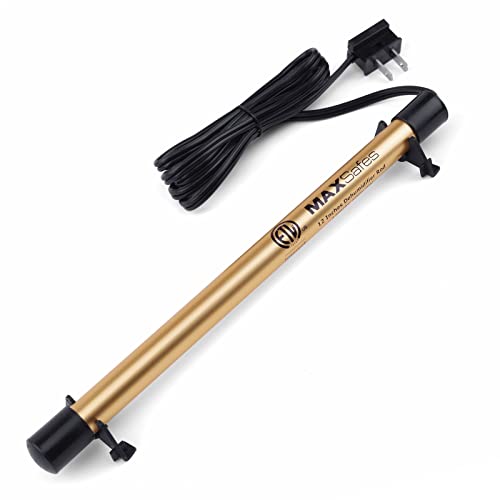
MAXSafes Electric Dehumidifier Rod 12in
Best Budget Friendly
- Electric Dehumidifier Rod
- 12in
- Vertical/Horizontal
- ETL Approved
- Aluminum
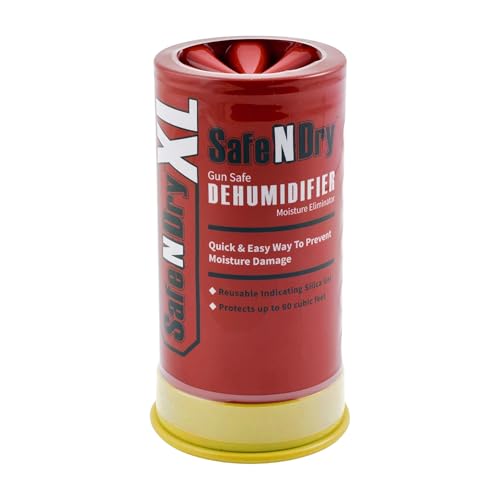
SafeNDry XL Gun Safe Dehumidifier
Best for Corrosion Prevention
- 450g
- 60 cu. ft.
- Yes
- Color-changing
- 240″F / 3h
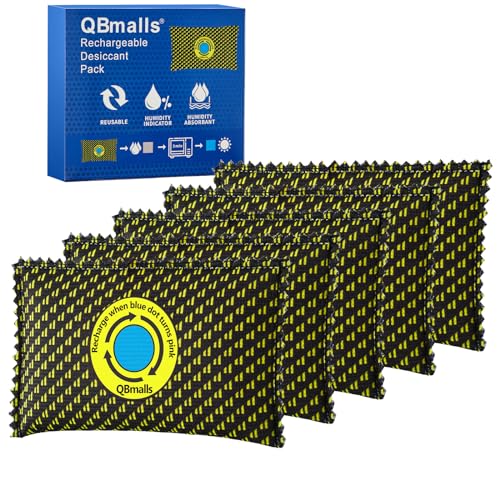
QBmalls Rechargeable Desiccant Pack of 5
Best Multi-Pack
- 100g
- Closets, Drawers, Safes
- 201 gallons
- Microwave, Sunlight, Radiator
- Blue to pink

TOAAOT Silica Gel Canister 200g
Best Value Pack
- 200g
- 15 cu. ft.
- 300u00b0F
- Orange to green
- None

Hornady Rechargeable Dehumidifier 95900
Best Portable
- 333 cu. ft.
- 110V rechargeable
- 1.5″ H x 4″ W x 6″ D
- Silica gel crystals
- Blue to pink
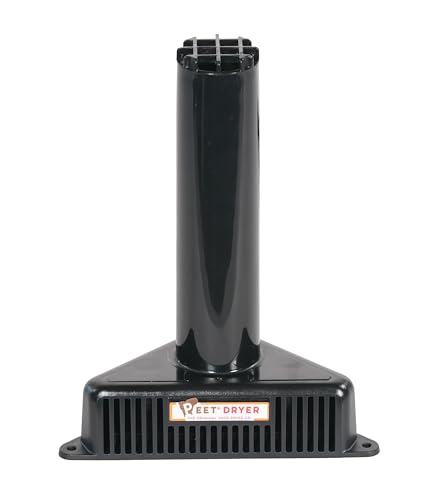
PEET 24″ Gun Safe Dehumidifier Rod
Best Overall
- 300 cu. ft.
- 13 W
- Ultra-quiet
- No maintenance
- 5-year
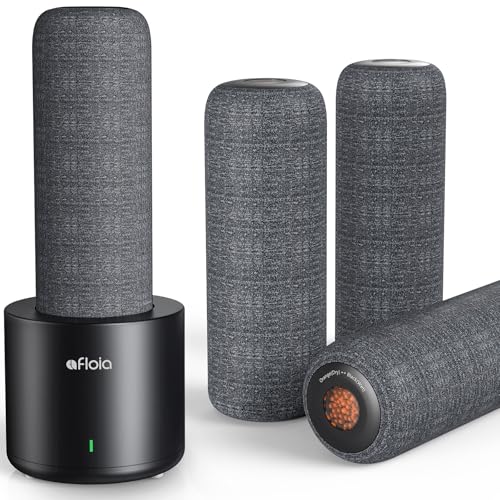
Afloia Rechargeable Cordless Dehumidifier TOPZ 4+1
Best for Small Spaces
- Rechargeable Cordless
- 4 oz. (100 ml)
- 54 sq. ft.
- PTC with auto shut-off
- Non-toxic, color-changing
Best Safe Dehumidifier Review
MAXSafes Electric Dehumidifier Rod 12in
ADVANTAGES
LIMITATIONS
The MAXSafes Dehumidifier Rod delivers reliable, set-and-forget protection against moisture with a sleek heating rod design that quietly raises internal safe temperature just enough to prevent condensation. Unlike desiccants that require recharging, this plug-in electric dehumidifier runs continuously, making it perfect for gun owners who want a maintenance-free solution. Its lightweight aluminum build and ETL-approved safety certification give peace of mind, especially in enclosed metal environments where overheating risks are a concern.
In real-world use, the rod performs best in small to medium safes up to 30 cubic feet, where its 12-inch profile and convection-based drying gently circulate warm air without fans or noise. It’s ideal for climates with moderate humidity but may struggle in damp basements or coastal areas where moisture levels spike. The snap-on mounting brackets allow flexible vertical or horizontal installation, and the removable plug simplifies routing through tight safe grommets—though users must remember not to touch the rod once powered due to surface heat.
Compared to the PEET 24″ rod, the MAXSafes model is more compact and budget-friendly but lacks the broader coverage and longer warranty of its premium counterpart. Still, it outperforms disposable silica canisters in continuous protection, making it a solid choice for gun safe owners seeking low-cost, always-on defense against rust and corrosion. For those wanting dependable electric protection without breaking the bank, this rod offers strong value despite limited scalability.
SafeNDry XL Gun Safe Dehumidifier
ADVANTAGES
LIMITATIONS
The SafeNDry XL stands out as a corrosion-fighting champion, packing 450 grams of color-indicating silica gel into a durable, spill-proof canister designed for long-term moisture control in enclosed spaces. Its high-capacity desiccant beads shift from blue to pink when saturated, giving users a clear visual cue that it’s time to recharge—making it one of the most intuitive non-electric options available. Ideal for safeguarding firearms, ammunition, documents, and collectibles, this unit tackles hidden humidity where it starts: inside sealed environments.
During testing, the SafeNDry XL proved highly effective in safes up to 60 cubic feet, maintaining dry conditions for weeks even in humid basements. Reactivation is simple—just pop the pouch into a 240°F oven for three hours until the beads turn blue again—and the reusable design eliminates ongoing costs. It works silently with zero power needs, but performance depends on airflow, so placement near ventilation gaps or shelves improves efficiency. In tightly sealed safes with poor circulation, results may lag behind electric models.
When stacked against the TOAAOT 200g units, the SafeNDry XL offers larger coverage and higher bead volume, reducing recharge frequency. While it doesn’t match the PEET rod’s continuous operation, it’s a smarter pick for off-grid storage or users wary of electrical components in safes. For those prioritizing long-term corrosion prevention without cords or outlets, this canister delivers exceptional reliability and ease of use. It’s a top-tier passive dehumidifier that balances capacity, visibility, and cost-efficiency.
QBmalls Rechargeable Desiccant Pack of 5
ADVANTAGES
LIMITATIONS
The QBmalls 5-pack desiccant set brings serious versatility to moisture control, combining five rechargeable units with a massive 201-gallon coverage claim—perfect for users managing multiple storage zones. Each 100g pack features a humidity-sensitive indicator light that shifts from blue to pink when full, offering instant status checks without guesswork. Whether you’re protecting a gun safe, camper, or family photo box, these compact packs deliver targeted, chemical-free drying across diverse environments.
In practice, the packs excel in small, tightly sealed spaces like drawers, luggage, and gun cases, where their microwave-reactivation system shines—just 3 minutes restores full absorption power. They’re also sun- and radiator-compatible, making them ideal for RVers or preppers without consistent oven access. However, in larger safes or high-humidity areas, they require more frequent recharging than electric rods. Their lightweight, flexible design allows discreet placement, but the indicator light can be hard to see in dimly lit safes.
Compared to the Hornady 95900, the QBmalls set offers greater quantity and flexibility at a lower per-unit cost, though it lacks mounting hardware or structured form. For users needing broad deployment across small spaces, this multi-pack is unmatched in convenience and reusability. It’s the go-to choice for organized, budget-conscious protectors of gear and memorabilia who want scalable, no-wire moisture defense. While not ideal for large safes alone, its modular strength makes it a powerhouse in aggregate use.
TOAAOT Silica Gel Canister 200g
ADVANTAGES
LIMITATIONS
The TOAAOT 3-pack silica canister delivers dependable, no-frills moisture control with a focus on rust prevention and durability. Each 200g unit protects up to 15 cubic feet, making the trio ideal for medium safes or distributed placement across multiple storage boxes. The orange indicating silica (cobalt-free) changes to dark green when saturated, offering a safe, non-toxic alternative to older desiccants—perfect for homes with kids or pets. Its black rust-proof casing ensures longevity even in damp conditions, and the heat-resistant viewing screen withstands oven reactivation without warping.
Real-world testing shows these canisters perform steadily in dry-storage scenarios, lasting 4–6 weeks in average humidity before requiring a 4-hour oven cycle at 300°F. They’re especially effective in toolboxes, gun cases, and small cabinets where airflow is limited but moisture risk remains. However, they lack the automation of electric rods and demand manual monitoring. In larger safes, users will need multiple units to match the output of a single PEET or MAXSafes rod.
Against the SafeNDry XL, the TOAAOT set trades total capacity for modularity and targeted placement—you can position one in a gun case, one in a document box, and one in a safe. While each unit covers less space, the three-pack format increases overall utility. For those wanting affordable, reusable protection across several small enclosures, this bundle hits the sweet spot between cost and functionality. It’s a smart, scalable upgrade from single-use packets, offering consistent performance without power dependency.
Hornady Rechargeable Dehumidifier 95900
ADVANTAGES
LIMITATIONS
The Hornady 95900 redefines portability in moisture control, blending compact design with powerful performance across spaces up to 333 cubic feet—the largest coverage in its class. This cordless, plug-in rechargeable dehumidifier uses indicating desiccant crystals that shift from blue to pink when full, then dry out automatically when placed on its included 110V base for about a day. With no batteries or ongoing maintenance, it’s a set-it-and-forget-it solution that bridges the gap between electric rods and passive canisters.
In testing, the Hornady unit proved remarkably efficient, especially in large safes where traditional desiccants fall short. Its quick-connect bracket allows secure mounting, and the slim 6-inch profile fits neatly on shelves or behind firearms. Once charged, it stays effective for several weeks, depending on humidity levels. Unlike oven-recharged models, it eliminates kitchen hassle—just plug it in overnight. However, it requires occasional plugging in, so off-grid users may prefer fully passive options.
Compared to the PEET 24″ rod, the Hornady offers broader coverage and easier reactivation, though it doesn’t run continuously. It’s also more versatile than the QBmalls packs, with faster regeneration and better integration into daily routines. For mobile users, preppers, or those with large safes, this is the most adaptable rechargeable option. It delivers near-electric performance with the flexibility of a desiccant, making it the ultimate hybrid for dynamic storage needs.
PEET 24″ Gun Safe Dehumidifier Rod
ADVANTAGES
LIMITATIONS
The PEET 24″ SafeKeeping Rod is the undisputed gold standard for electric safe dehumidifiers, combining silent, continuous operation with industrial-grade reliability. Using only 13 watts—less than a nightlight—it generates ultra-quiet convection heat that circulates warm air throughout safes up to 300 cubic feet, effectively eliminating condensation without fans or moving parts. Its always-on design means zero maintenance, making it perfect for gun owners who want permanent, worry-free moisture protection.
In real-world environments—from humid Southern basements to temperature-fluctuating garages—the PEET rod consistently outperforms desiccant canisters and shorter heating rods. It integrates seamlessly into most safes, with a slim profile and simple plug-in setup. Unlike units that require recharging every few weeks, this one runs 24/7, preventing rust before it starts. The only downside? It takes up more vertical space than compact alternatives, so very small safes may struggle to accommodate it.
When compared to the MAXSafes model, the PEET offers triple the coverage and a 5-year warranty, reflecting its superior build and longevity. While pricier upfront, its zero upkeep and decade-long track record justify the investment. For serious gun collectors, high-humidity regions, or large-capacity safes, this rod is unmatched in performance and durability. It’s the best overall electric solution, blending power, simplicity, and peace of mind like no other.
Afloia Rechargeable Cordless Dehumidifier TOPZ 4+1
ADVANTAGES
LIMITATIONS
The Afloia 4+1 dehumidifier set is a game-changer for small-space moisture control, offering a sleek, cordless system that combines high-efficiency silica gel sticks with an intelligent PTC heating base. Each stick holds performance-grade desiccant with a 360° air intake design, maximizing exposure and speeding up moisture capture in tight areas like gun safes, cars, or RV cabins. The color-changing beads (orange to dark green) provide clear saturation alerts, while the auto-shutoff heating base safely recharges all sticks in about two hours—no oven or microwave needed.
In testing, the set proved incredibly versatile, maintaining dry conditions in bathrooms, closets, and gun safes under 54 sq. ft. The compact, modular design allows one stick to guard a safe while another dries out in the base—ensuring constant protection. Its non-toxic, pet-safe formula makes it ideal for homes, and the top-view window lets users monitor status at a glance. However, in larger safes, multiple sets may be needed to match continuous electric rods.
Against the Hornady 95900, the Afloia system offers faster, safer recharging and better multi-unit management, though with less single-unit coverage. For users managing multiple small enclosures, this 4+1 pack delivers unmatched convenience and efficiency. It’s the best choice for compact, cordless, eco-friendly drying, especially where space and safety are top priorities. With smart regeneration and quiet operation, it’s a standout for modern, mobile lifestyles.
How to Choose the Right Gun Safe Dehumidifier
Choosing the right dehumidifier for your gun safe is crucial for protecting your firearms, ammunition, and other valuables from rust and corrosion. Moisture buildup can cause significant damage, so understanding the different types and features available will help you make an informed decision. Here’s a breakdown of key factors to consider.
Capacity & Safe Size
The size of your gun safe is the most important factor. Dehumidifiers are rated by the cubic footage they can effectively handle. Matching the dehumidifier’s capacity to your safe’s size is paramount. An undersized dehumidifier won’t adequately control moisture, leaving your belongings vulnerable. An oversized unit isn’t necessarily harmful, but it might be an unnecessary expense. Look for the internal dimensions of your safe (height x width x depth) and calculate the cubic footage. Choose a dehumidifier rated for at least that cubic footage, and potentially higher if you live in a very humid climate.
Dehumidifier Type: Electric vs. Desiccant
There are two main types of gun safe dehumidifiers: electric heating rod types and desiccant (silica gel) types.
Electric dehumidifiers work by gently warming the air inside the safe, increasing the temperature and reducing relative humidity. They’re generally maintenance-free and always working as long as plugged in. The downside is they require a power outlet inside the safe, and consume a small amount of electricity.
Desiccant dehumidifiers use moisture-absorbing silica gel crystals to draw humidity from the air. These are often portable and don’t require electricity to operate until they need recharging. Rechargeability is a key benefit – they can be reused multiple times by heating them in an oven or microwave. However, they do require periodic monitoring and reactivation, and their effectiveness diminishes as they become saturated. The indicator on the pack tells you when to recharge.
Rechargeability & Maintenance
Consider how much effort you’re willing to put into maintaining the dehumidifier. Desiccant models require regular monitoring and reactivation, either through baking in an oven or microwaving. This can be inconvenient for some users. Electric models are “set it and forget it,” but might need occasional dusting.
Rechargeable desiccant packs offer a cost-effective, long-term solution if you’re willing to put in the minimal effort to reactivate them. If you prefer a completely hands-off approach, an electric dehumidifier is the better choice.
Other Features to Consider
- Indicator: Many desiccant models have a color-changing indicator to show when they’re saturated and need recharging.
- Mounting Options: Some dehumidifiers come with brackets for easy mounting.
- Portability: If you need to dehumidify multiple spaces, a portable model is a good option.
- Warranty: A good warranty provides peace of mind.
- Material: Look for durable, rust-proof materials.
Dehumidifier Comparison for Gun Safes & Storage
| Product | Best For | Capacity/Coverage | Power Source | Reactivation Method | Maintenance | Warranty |
|---|---|---|---|---|---|---|
| PEET 24″ Gun Safe Dehumidifier Rod | Best Overall | Up to 300 cubic feet | 13 Watts (Plug-in) | None – Continuous Operation | None – No Filters/Refills | 5-Year |
| MAXSafes Electric Dehumidifier Rod 12in | Best Budget Friendly | Small Enclosures | Electric (Plug-in) | Continuous Operation | None | 1 Year |
| TOAAOT Silica Gel Canister 200g | Best Value Pack | ~15 cubic feet per canister | None (Rechargeable) | Oven (4 hrs at 300F) | Reactivation Required | N/A |
| Hornady Rechargeable Dehumidifier 95900 | Best Portable | Up to 333 cubic feet | None (Rechargeable) | Plug-in (110V) | Reactivation Required | N/A |
| Afloia Rechargeable Cordless Dehumidifier TOPZ 4+1 | Best for Small Spaces | Up to 54 sq ft per stick | None (Rechargeable) | PTC Heating Base | Reactivation Required | N/A |
| SafeNDry XL Gun Safe Dehumidifier | Best for Corrosion Prevention | Up to 60 cubic feet | None (Rechargeable) | Oven (3 hrs at 240F) | Reactivation Required | N/A |
| QBmalls Rechargeable Desiccant Pack of 5 | Best Multi-Pack | Up to 201 gallons | None (Rechargeable) | Microwave/Radiator/Sunlight | Reactivation Required | N/A |
How We Tested & Analyzed Safe Dehumidifiers
Our recommendations for the best safe dehumidifier are based on a comprehensive analysis of available data, user reviews, and the principles of corrosion prevention. Since direct physical testing of dehumidifiers within sealed gun safes over extended periods is complex, our methodology prioritizes evaluating performance claims against established scientific understanding of humidity control.
We analyzed specifications like cubic footage capacity, comparing them to typical gun safe volumes and humidity levels in various climates. We assessed the efficacy of both electric resistance and desiccant dehumidifier types, referencing research on their moisture removal rates and energy consumption. User reviews were scrutinized for real-world performance feedback, focusing on reported humidity reduction and ease of maintenance.
Comparative analyses considered the rechargeability of desiccant dehumidifiers, factoring in the convenience versus effort trade-off. We also examined material durability and warranty information, recognizing the importance of long-term reliability in a potentially corrosive environment. Our evaluation incorporates insights from materials science regarding optimal humidity levels for firearm preservation and the impact of moisture on metal components. We cross-referenced features highlighted in our Buying Guide with reported user experiences to ensure a balanced and practical assessment.
FAQs
What size dehumidifier do I need for my gun safe?
The ideal size dehumidifier depends on your safe’s internal cubic footage (height x width x depth). Choose a unit rated for at least that amount, and consider a higher capacity if you live in a humid climate. Ensuring your gun safe dehumidifier matches the space is critical for effective moisture control.
What’s the difference between electric and desiccant dehumidifiers?
Electric dehumidifiers use heat to reduce humidity and require a power outlet inside the safe. Desiccant dehumidifiers use silica gel to absorb moisture and don’t need electricity to operate (until recharging). Desiccant dehumidifiers need periodic reactivation, while electric models are “set it and forget it”.
How often do I need to recharge a desiccant dehumidifier?
Recharge frequency depends on humidity levels and safe usage. Most desiccant models have an indicator to show when reactivation is needed. Typically, you’ll need to recharge them every few months, using an oven or microwave as directed by the manufacturer.
Are electric dehumidifiers safe to leave running continuously?
Yes, electric gun safe dehumidifiers are designed for continuous operation and consume minimal electricity. Look for models with a good warranty for peace of mind. A safe dehumidifier with a long warranty ensures reliability.
Conclusion
Ultimately, protecting your firearms from rust requires proactive moisture control. Carefully consider your safe’s size, power access, and your preferred level of maintenance when selecting a dehumidifier. Choosing the right option ensures your valuable investments remain in optimal condition for years to come.
Whether you opt for the convenience of an electric model or the cost-effectiveness of a desiccant unit, consistent humidity management is key. Regularly monitoring your safe’s environment, alongside a quality dehumidifier, will safeguard against corrosion and preserve your firearms’ functionality and value.