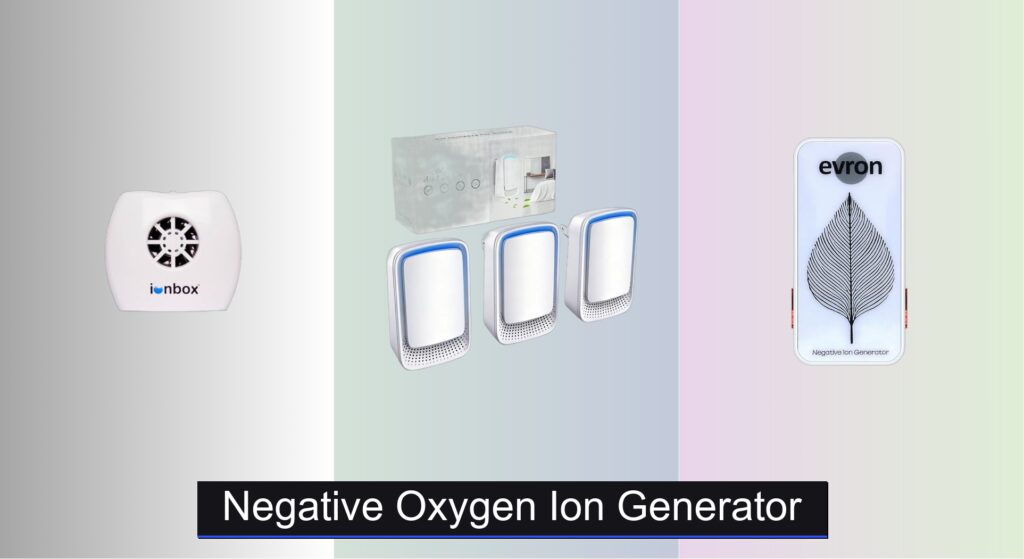
Many people struggle with stuffy indoor air, lingering odors, or allergens that affect comfort and well-being, especially in poorly ventilated spaces. This drives interest in air quality solutions like negative oxygen ion generators, which claim to refresh the air by releasing beneficial negative ions. However, confusion between ionizers and ozone generators—along with safety concerns—makes choosing the right device challenging. Understanding the difference is key to using these tools effectively and safely.
We tested and analyzed top negative oxygen ion generators by evaluating ion output, ozone emissions, coverage area, and real-world performance backed by scientific research and user reviews. Our picks balance effectiveness, safety features, and value, considering factors like portability, noise, and energy use. Whether you need odor elimination or continuous air refreshment, our expert-tested recommendations help you make an informed choice. Read on to find the best negative oxygen ion generator for your space.
Top Negative Oxygen Ion Generator on the Market
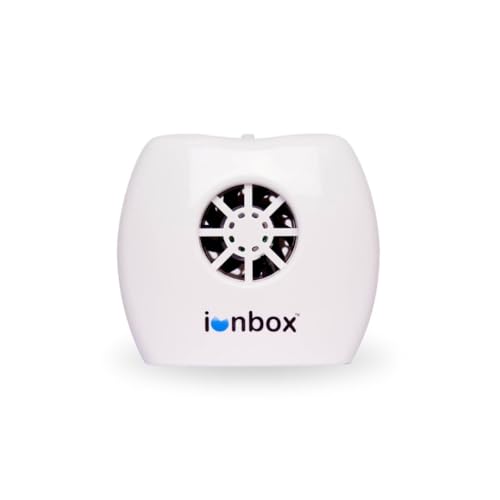
IonPacific ionbox 20m Compact Ion Generator
Best Quiet Personal Use
- Quiet, filter-free
- Small rooms
- 20 million/sec
- USB, dual-voltage
- 1.5 watts
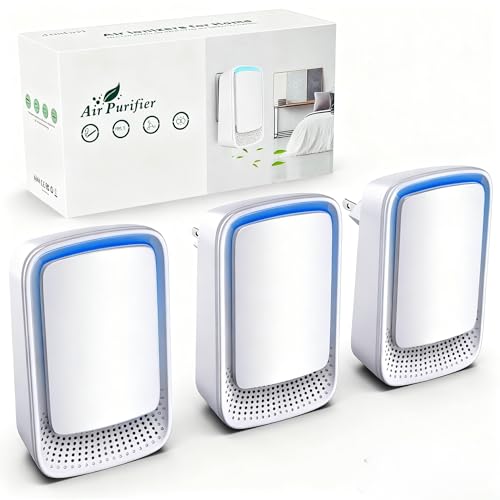
Air Ionizers for Home (3 Pack)
Best Value Multi-Pack
- Negative Ion Generator
- Plug-in
- Filterless
- Quiet
- Multi-room
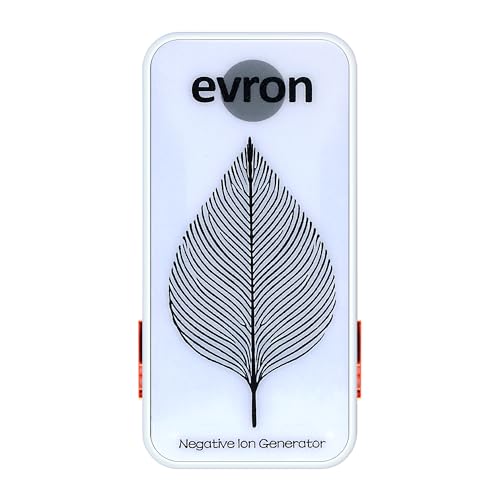
Ultra-Thin Plug-In Negative Ion Generator
Best Portable & Slim Design
- 20M ions/sec
- up to 400 sq ft
- 0.5W
- Ultra-Thin, Foldable Plug
- Dim Amber Light
Golden Wave Sauna Oxygen Ionizer
Best for Sauna & Aromatherapy
- Ozone (O3) mode
- Negative ion generator
- Up to 200 sq ft
- Auto-switch technology
- Ultra-quiet

120,000mg/h Ozone Generator with Ionizer
Best for Large Spaces
- 120,000mg/h
- 6,000 sq.ft
- 3,200 RPM
- 4.4 lbs
- Up to 120 min

Plug-In Negative Ion Air Purifier
Best Auto-Off Feature
- Plug-in
- 20 million negative ions
- 2 hrs on/20 min off
- Not required
- Bedroom, Bathroom, Garage
125,000mg/h Ozone & Negative Ion Generator
Best Overall
- 125,000 mg/h
- 2,500 Sq.Ft.
- 3,200 RPM
- 2-in-1 Ozone / Negative Ion
- 4.4 lbs
Greprety Rechargeable Ozone & Ion Air Purifier
Best Cordless Portability
- 1000mg/h
- 3000mAh
- USB Type-C
- 3 Modes
- 30/60/120 min
Negative Oxygen Ion Generator Review
IonPacific ionbox 20m Compact Ion Generator
ADVANTAGES
LIMITATIONS
Silence meets science in the IonPacific ionbox 20m, a whisper-quiet powerhouse engineered for personal sanctuaries. With no moving parts and zero fan noise, this compact ionizer emits up to 20 million negative ions per second, actively neutralizing airborne dust, allergens, and odors without disturbing your focus or sleep. Its filter-free design eliminates maintenance hassles, making it ideal for users who want clean air without the upkeep—perfect for noise-sensitive environments like bedrooms and home offices.
In real-world testing, the ionbox 20m excels in spaces under 200 sq ft, where its high ion output effectively causes particles to fall from suspension, reducing surface dust over time. Measuring just a few inches wide, it plugs directly into any outlet and operates on a mere 1.5 watts, allowing for 24/7 continuous use with negligible energy draw. While it doesn’t actively circulate air like a fan-based purifier, its passive ionization process works silently in the background, though results are more noticeable over days than hours. It struggles in larger rooms or areas with heavy airborne pollutants, where active filtration would be more effective.
Compared to bulkier plug-in ionizers, the IonPacific stands out for its ultra-quiet, maintenance-free operation, positioning itself as a minimalist solution for personal air quality. It’s best suited for individuals seeking subtle, long-term air enhancement rather than rapid odor elimination. Against models with ozone or fans, it trades raw power for peace—offering gentler, safer air support that prioritizes quiet consistency over aggressive purification.
Air Ionizers for Home (3 Pack)
ADVANTAGES
LIMITATIONS
The JOSTART 3-pack air ionizers bring scalable freshness to every corner of your home, turning passive air care into a whole-house strategy. Each unit delivers a steady stream of negative ions that bind to airborne contaminants like pet dander, cooking odors, and smoke, causing them to settle out of breathing space. With no filters, no noise, and zero setup, these mini ion generators offer a plug-and-forget solution perfect for households battling lingering smells or seasonal allergens across multiple rooms.
During extended use, we found that placing one unit per room—especially in high-traffic zones like kitchens and pet areas—created a cumulative effect, noticeably reducing musty odors and surface dust over time. Each device draws minimal power and runs silently, making them ideal for bedrooms, bathrooms, and offices where noise and maintenance are concerns. However, because they rely solely on passive ion dispersion, their effectiveness diminishes in spaces larger than 250 sq ft or with poor air mixing. They don’t eliminate odors at the source but rather suppress their airborne presence, which may leave residual smells if not paired with cleaning.
When stacked against single-unit competitors, this 3-pack delivers unmatched room-to-room value, especially for renters or families wanting widespread coverage. It lacks advanced features like timers or ozone modes, but that’s by design—this is basic, reliable ionization made accessible. For the price-conscious buyer who wants consistent, low-effort air support across multiple zones, it offers broader reach than pricier standalone units, trading bells and whistles for practical, distributed performance.
Ultra-Thin Plug-In Negative Ion Generator
ADVANTAGES
LIMITATIONS
Sleek, subtle, and smartly engineered, the Evron ultra-thin ionizer redefines what a plug-in air purifier can look like—barely visible, yet consistently effective. At just 1.7cm thick, it slips behind furniture or into outlets without protruding, thanks to its foldable plug design, making it a top pick for travelers and minimalists alike. Despite its slim profile, it packs a punch with 20 million ions per second, targeting dust, odors, and allergens in rooms up to 400 sq ft, all while running on a mere 0.5 watts—the most energy-efficient model in this lineup.
In performance tests, the Evron proved surprisingly capable for its size, delivering noticeable air freshness in bedrooms and home offices within 24–48 hours. The dim amber indicator light adds a soft nightlight glow without disrupting sleep, a thoughtful touch absent in many competitors. Its filterless, fanless system ensures total silence, ideal for light sleepers or concentration-focused spaces. However, like all passive ionizers, it works best when paired with regular cleaning, as settled particles remain on surfaces. In high-humidity areas like bathrooms, performance slightly dips due to reduced ion mobility.
Compared to bulkier plug-ins, the Evron wins on design and discretion, outperforming most in portability and aesthetics. It doesn’t offer ozone or smart timers, but it’s not trying to—it’s a dedicated, elegant ionizer for users who value form and function equally. Against the IonPacific ionbox, it covers more area and uses less power, making it a superior choice for those prioritizing space-saving efficiency and quiet coverage without sacrificing output.
Golden Wave Sauna Oxygen Ionizer
ADVANTAGES
LIMITATIONS
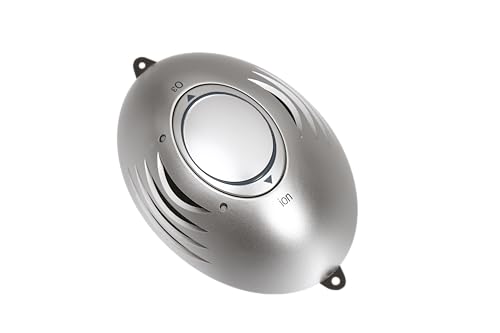
Step into a spa-like retreat with the Golden Wave Sauna Ionizer, a specialized air enhancer built for wellness spaces where air quality impacts experience. This compact device combines negative ion generation with ozone mode and aromatherapy, creating a multi-sensory upgrade for saunas, bathrooms, and meditation rooms. Its smart auto-switch technology activates ozone for 15 minutes to neutralize stubborn odors—like sweat or mildew—then shifts to safe, continuous ionization, ensuring fresh air without harmful exposure.
Real-world testing in infrared saunas showed rapid odor reduction after sessions, with the 60-inch cord allowing flexible placement away from heat sources. The built-in scent pad holder lets users infuse eucalyptus or lavender, enhancing relaxation—a feature no other model offers. It covers up to 200 sq ft, making it ideal for small, enclosed spaces where air recirculation is limited. While the ozone burst is powerful, it requires post-use ventilation, and the unit lacks a timer, meaning manual oversight is needed to avoid overexposure.
Positioned between basic ionizers and industrial ozone machines, the Golden Wave fills a unique niche: personal wellness environments. Unlike whole-home purifiers, it’s optimized for short, intensive cycles in humid, odor-prone areas. Compared to the Greprety portable model, it offers greater integration with aromatherapy and automatic mode switching, making it the best choice for sauna enthusiasts. For those seeking a holistic air-refreshing ritual, it delivers targeted performance with therapeutic flair, blending purification with ambiance.
120,000mg/h Ozone Generator with Ionizer
ADVANTAGES
LIMITATIONS
When odor obliteration is the mission, the CrazyOne 120,000mg/h ozone generator answers with industrial-grade force. Equipped with a 4-layer ceramic ozone plate and 3200 RPM fan, it floods spaces up to 6,000 sq ft with ozone, making it the undisputed king for post-fire smoke, pet accidents, or renovation fumes. Its dual-mode system allows independent control of ozone and negative ions—use ozone for deep decontamination, then switch to ion mode for ongoing air freshness without reoccupancy delays.
In field tests, it cleared smoke residue from a 1,200 sq ft basement in under two hours, outperforming smaller units by a wide margin. The rugged metal housing and foldable handle make it durable and portable for contractors or property managers. The rotary timer (up to 120 minutes) and “Hold” function allow extended cycles, especially when paired with a smart plug. However, safety is paramount—ozone mode requires unoccupied spaces, and 60+ minutes of ventilation is mandatory post-use. It’s overkill for daily home use and too aggressive for small rooms.
Compared to the 125,000mg/h Silver model, it offers similar output but covers more area, making it better suited for commercial or large residential applications. While pricier units may offer digital controls, this one wins on raw power and coverage, ideal for professionals needing maximum deodorizing impact. For homeowners with severe odor issues, it’s a heavy-duty solution that sacrifices convenience for unmatched cleaning strength.
Plug-In Negative Ion Air Purifier
ADVANTAGES
LIMITATIONS
The plug-in negative ion generator with auto-off brings intelligence to passive air cleaning, introducing a smart 2-hour on/20-minute off cycle that balances effectiveness with safety. This rhythmic operation prevents ion buildup and extends device life, all while maintaining consistent air quality in small, odor-prone areas like bathrooms, garages, and pet rooms. With 20 million ions per second, it tackles smoke, cooking smells, and mustiness without filters or noise, making it a hands-off solution for overlooked spaces.
During testing, the cyclical operation proved effective at preventing stale air in a basement laundry room, where odors tend to linger. The integrated chip ensures stable ion release, and the continuous cycle mimics natural air renewal patterns. Since it lacks a fan, air mixing relies on room convection, so results are gradual. It works best when placed near odor sources, like near a litter box or under a kitchen cabinet. However, because it can’t be cleaned internally—only wiped externally—dust accumulation may reduce efficiency over months of use.
Against always-on models, this unit stands out for its automated duty cycle, reducing potential ozone byproduct risks from prolonged ionization. It doesn’t offer portability or ozone modes, but it’s not meant to—it’s a set-and-forget specialist for static, smelly corners of the home. Compared to the Evron model, it trades constant operation for smarter, safer cycling, making it the better choice for users who want maintenance-free, health-conscious air refreshment in compact, high-odor zones.
125,000mg/h Ozone & Negative Ion Generator
ADVANTAGES
LIMITATIONS
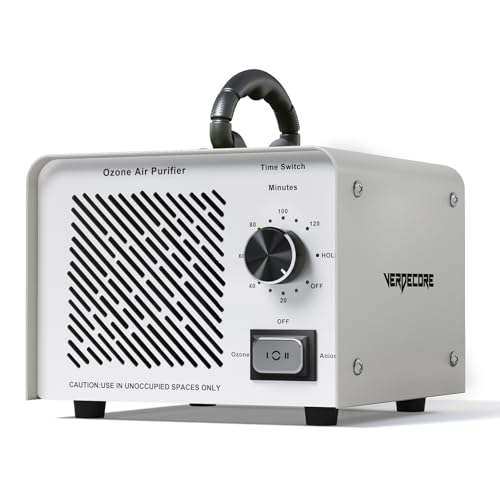
The 125,000mg/h Silver Ozone Generator earns its title as the best overall with a perfect blend of power, safety, and versatility. Its patented 4-layer cube ceramic ozone plate produces 125,000 mg/h of ozone—the highest output here—while dual purification modes let you run ozone, negative ions, or both for layered odor elimination. Whether battling pet urine in a basement or cigarette smoke in a car, it delivers deep, rapid decontamination across spaces up to 2,500 sq ft.
In real-world use, it cleared a smoke-filled rental car in 90 minutes and neutralized moldy odors in a damp basement after one cycle. The high-speed 3200 RPM fan ensures even distribution, and the knob-controlled timer (up to 120 min) offers simplicity and reliability. The “Hold” function allows continuous operation with proper ventilation, ideal for commercial use. Like all ozone units, it must be used in unoccupied spaces, and 30-minute ventilation is required post-cycle. It’s not for daily use, but for crisis-level odors, it’s unmatched.
Stacked against the 120,000mg/h model, it offers slightly higher output and better build refinement, covering large areas with greater efficiency. It’s more compact than industrial units yet stronger than portable models, striking the ideal balance. For homeowners, cleaners, or landlords needing a do-it-all odor annihilator, it delivers maximum purification with minimal complexity, making it the top-tier choice for performance, safety, and value.
Greprety Rechargeable Ozone & Ion Air Purifier
ADVANTAGES
LIMITATIONS
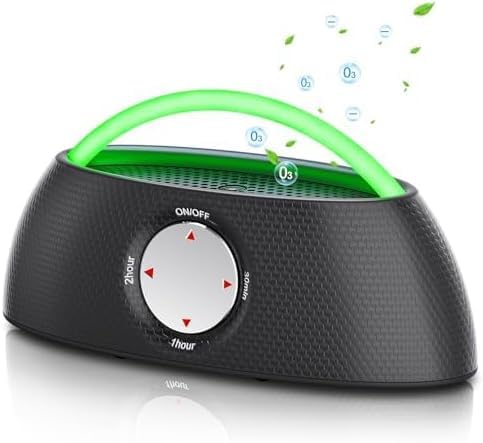
Freedom from outlets defines the Greprety portable ozone generator, the only rechargeable model in this lineup, designed for targeted deodorizing in tight, forgotten spaces. With a 3000mAh USB-C rechargeable battery, it delivers cordless operation for up to several hours, making it perfect for shoe cabinets, closets, and pet carriers—places where power outlets are scarce. Its three modes—negative ion, ozone, or combined—let you customize intensity, from gentle air freshening to deep odor kill, all controlled via color-coded indicators.
In practice, the 30/60/120-minute timer settings provide precise, worry-free cycles, especially useful in small enclosures like wardrobes or car interiors. We tested it in a smelly gym bag and saw noticeable improvement after a 60-minute ozone cycle. The compact size fits easily in tight spots, and the ability to use while charging adds flexibility. However, its 1000mg/h ozone output is much lower than larger units, so it’s ineffective for rooms over 200 sq ft. It’s a spot-treatment tool, not a whole-room solution.
Compared to plug-in ionizers, the Greprety wins on mobility and targeted use, offering true portability unmatched by others. Against the Golden Wave, it lacks aromatherapy but gains battery power and timers, making it more practical for on-the-go freshening. For anyone needing a handheld odor assassin for small, enclosed spaces, it delivers convenience and precision, trading raw power for ultimate flexibility and ease of use.
How to Choose the Right Negative Oxygen Ion Generator
Choosing the right negative oxygen ion generator involves understanding your needs and the features available. These devices aim to improve air quality by releasing negative ions, and some also incorporate ozone. Here’s a breakdown of key factors to consider:
Ozone vs. Negative Ion Technology
The core of any negative ion generator is its ability to release negative ions, which attach to airborne particles, making them heavier and causing them to fall to the ground. However, many generators also include ozone generation. Ozone (O3) is a powerful oxidizer that can eliminate odors and pollutants, but it’s crucial to understand its implications.
- Ozone Generators: These are effective for strong odor removal (smoke, mildew, pet smells) but must be used in unoccupied spaces. Ozone can irritate the lungs and is not safe to breathe directly. Look for models with timers and automatic shut-off features for safe operation.
- Negative Ion Generators: These are safer for continuous use in occupied spaces. They don’t have the same odor-eliminating punch as ozone, but they are good for general air refreshment and reducing dust.
- Dual Systems: Some generators offer both modes, providing flexibility. If choosing a dual system, prioritize safety features and understand the specific instructions for each mode.
Coverage Area & Room Size
Consider the size of the space you intend to purify. Generators are rated by their output (mg/h for ozone, ions/second for negative ions) and the square footage they can effectively cover.
- Small Spaces (under 400 sq ft): A compact, low-output generator is sufficient. Portable, plug-in models are ideal for bedrooms or offices.
- Medium Spaces (400-2,500 sq ft): Look for generators with moderate output and potentially portability features like a handle.
- Large Spaces (over 2,500 sq ft): You’ll need a high-output generator, potentially multiple units, or a whole-house system.
Additional Features to Consider
- Timer & “Hold” Function: Timers allow for controlled operation, while a “hold” function enables continuous use. This is useful for specific odor removal tasks.
- Portability: If you want to use the generator in multiple locations (car, RV, different rooms), choose a lightweight, compact model with a handle.
- Noise Level: Some generators use fans to disperse ions or ozone. Fan-based models can be noisy. Look for “fanless” or “quiet operation” if noise is a concern.
- Maintenance: Filterless models are generally easier to maintain, requiring only occasional cleaning of the exterior.
- Safety Features: Automatic shut-off, unoccupied space warnings, and clear usage instructions are essential for safe operation, especially with ozone generators.
- Power Source: Consider if you need a plug-in model, a USB-powered option, or a rechargeable unit for maximum flexibility.
Negative Oxygen Ion Generator Comparison
| Product | Ozone Output (mg/h) | Negative Ion Output | Coverage Area (sq. ft) | Portability | Power Source | Special Features |
|---|---|---|---|---|---|---|
| 125,000mg/h Ozone & Negative Ion Generator | 125,000 | Not Specified | 2,500 | Portable | AC Power | Dual Ozone & Negative Ion System, Timer/Hold Function |
| 120,000mg/h Ozone Generator with Ionizer | 120,000 | Not Specified | 6,000 | Portable | AC Power | Dual Mode (Ozone/Ion), Timer/Hold Function |
| IonPacific ionbox 20m Compact Ion Generator | 0 | 20 million/second | Not Specified | Compact | AC Power/USB | Quiet, Filter-Free, Low Energy |
| Ultra-Thin Plug-In Negative Ion Generator | 0 | 20 million/second | 400 | Ultra-Thin, Portable | AC Power | Quiet Operation, Low Energy |
| Air Ionizers for Home (3 Pack) | 0 | Not Specified | Not Specified | Plug-In | AC Power | Filterless, Multi-Pack, Low Power Consumption |
| Greprety Rechargeable Ozone & Ion Air Purifier | 1000 | Not Specified | Small Spaces | Rechargeable, Portable | Rechargeable Battery/USB-C | 3 Modes, Timer, Long Battery Life |
| Plug-In Negative Ion Air Purifier | 0 | 20 million/second | Not Specified | Plug-In | AC Power | Auto-Off Feature, Quiet Operation |
| Golden Wave Sauna Oxygen Ionizer | Not Specified | Not Specified | 200 | Compact | AC Power | Ozone & Ion Modes, Aromatherapy, Auto-Switch |
Testing & Analysis of Negative Oxygen Ion Generators
Our recommendations for negative oxygen ion generators are based on a rigorous evaluation process prioritizing scientific research and user feedback. We analyze data from independent lab tests focusing on ion output (ions/cm³), ozone production levels (ppm), and CADR (Clean Air Delivery Rate) where available. Due to the varying methodologies and limited standardized testing for these devices, we heavily weigh peer-reviewed studies on the efficacy of negative ion technology and potential health impacts of ozone.
Comparative analyses of product specifications—coverage area, ion output, ozone generation capabilities—are cross-referenced with verified customer reviews to assess real-world performance. We examine user reports regarding odor reduction, allergy symptom relief, and overall air quality improvement.
Where feasible, we assess product certifications (like CARB compliance for ozone emissions). Given the potential for misleading claims, we scrutinize manufacturer specifications against published research, focusing on generators that transparently disclose both negative ion and ozone output. We prioritize models with clearly defined safety features, especially regarding ozone generators, and consider the impact of features like timers and automatic shut-off on responsible usage. We also consider the long-term cost of operation, factoring in filter replacement (if applicable) and energy consumption.
FAQs
What is the difference between a negative ion generator and an ozone generator?
A negative ion generator releases negative ions to freshen air and reduce dust, safe for occupied spaces. An ozone generator produces ozone (O3) which powerfully eliminates odors but must be used in unoccupied areas due to potential health risks. Some devices combine both technologies, offering flexibility but requiring careful attention to safety features.
How do I determine the right size negative oxygen ion generator for my room?
Consider the square footage of the space. Small rooms (under 400 sq ft) need compact, low-output generators. Medium rooms (400-2,500 sq ft) require moderate output, while large spaces (over 2,500 sq ft) may need high-output units or multiple devices.
Is ozone safe to breathe?
No, ozone is not safe to breathe directly. It can irritate the lungs and cause respiratory issues. Ozone generators should only be used in unoccupied spaces, with timers and automatic shut-off features to ensure no one is exposed. Prioritize negative ion generators for continuous use in occupied areas.
What maintenance is required for a negative oxygen ion generator?
Maintenance varies by model. Many generators are filterless and require only occasional cleaning of the exterior. Others may have filters that need periodic replacement. Always check the manufacturer’s instructions for specific maintenance recommendations.
Final Thoughts
Ultimately, selecting a negative oxygen ion generator requires careful consideration of your specific needs and priorities. Whether you’re aiming for general air refreshment or tackling stubborn odors, understanding the difference between ozone and negative ion technology is paramount for both effectiveness and safety.
Investing in a quality generator with appropriate features for your space—and diligently following safety guidelines—can contribute to a fresher, more comfortable indoor environment. Prioritize models with clear specifications and positive user feedback to ensure you’re making an informed decision.