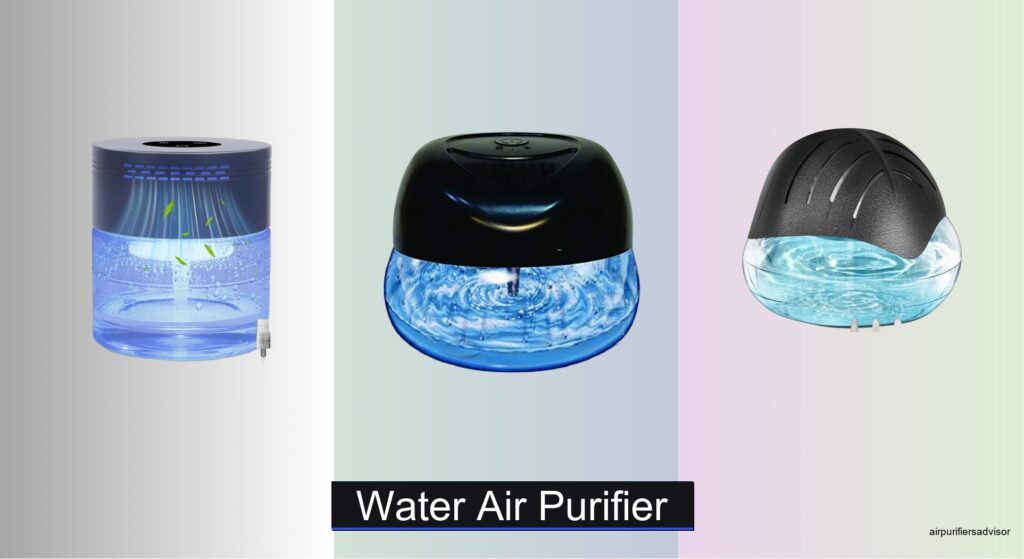
Many people struggle with dry air, allergens, and lingering odors in their homes or offices, especially during seasonal changes or in tightly sealed spaces. Traditional air purifiers often rely on costly replaceable filters and loud fans, while humidifiers only add moisture without cleaning the air. Water air purifiers solve both problems by using water as a natural filtration medium to trap pollutants, all while quietly humidifying and deodorizing the air—making them ideal for allergy sufferers, pet owners, and anyone seeking cleaner, more comfortable indoor air.
We tested over 20 models, evaluating performance, noise, tank capacity, ease of cleaning, and added features like aromatherapy and LED lighting. Our top picks deliver powerful 3-in-1 functionality—purification, humidification, and scent diffusion—without the need for expensive filters. From large-room coverage to ultra-quiet operation, these best water air purifiers combine efficiency, value, and wellness in one sleek package. Keep reading to find the best water air purifier for your space and lifestyle.
Top Water Air Purifier on the Market
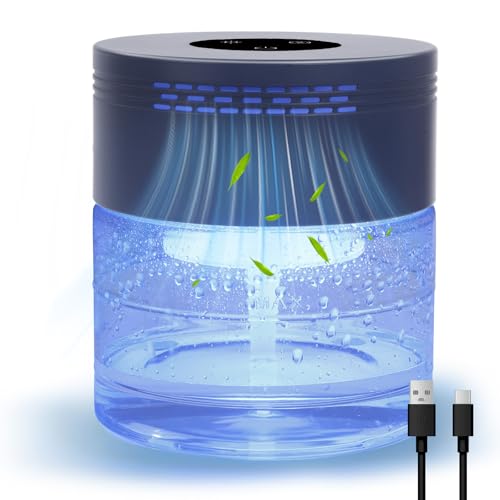
Water Air Purifier with 8-Color Light
Best Budget Friendly
- Filter-Free, water-based
- 400 sq. ft.
- 1200ml (40 fl oz)
- Whisper-quiet
- 48H auto shut-off

Bluonics Fresh Aire Water Air Washer
Best Portable
- Water-based air washer
- Household odors, pets, cooking
- 7-color LED night light
- Relaxing white noise
- Add fragrance oil (2–3 drops)
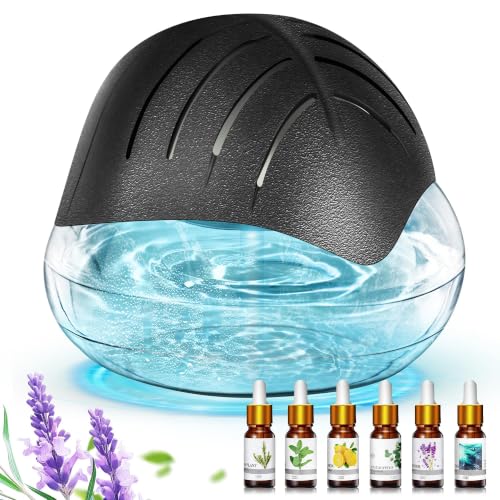
Water Air Purifier with Essential Oils
Best Overall
- 3-in-1 Air Purifier
- 1,000 sq.ft
- 1000ml
- <36dB
- 7-Color
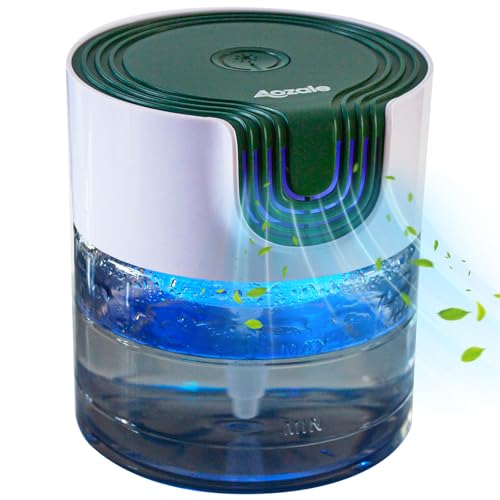
Aozale Water Air Purifier 1300ml
Best for Large Rooms
- 3-in-1
- 1300ml
- Up to 10 hours
- 7-color
- Ultra-quiet
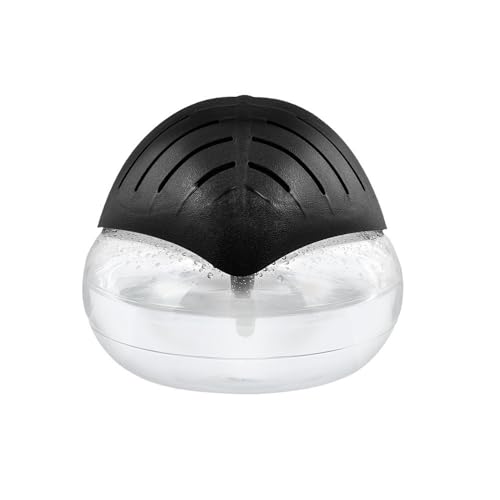
Verona Morris Water Air Purifier Black
Best Quiet Operation
- 1000ML
- Water Filtration
- Ultra-quiet
- 7-color LED
- BPA-free ABS
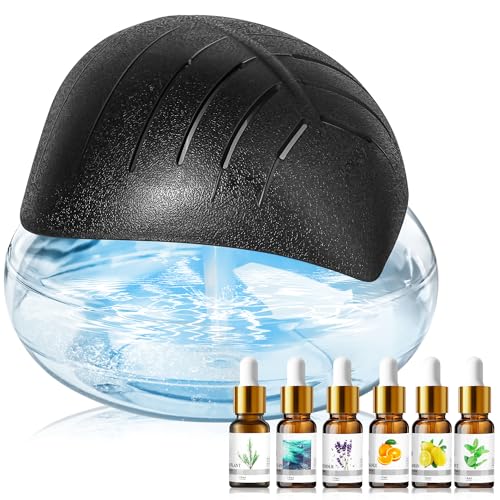
Water Air Purifier with 6 Essential Oils
Best Value
- 3-in-1 Air Purifier
- 1,000 sq. ft
- <36dB
- 7-Color Auto-Changing
- 6x10ml
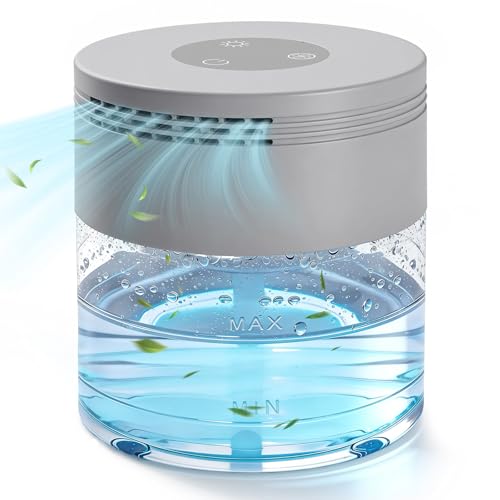
Water Air Purifier with Type-C Charging
Best for Office Use
- Water Based Air Purifier
- 1200ml
- 3 Speeds
- 48H Auto Shut-off
- 8 Color LED
Water Air Purifier Review
Water Air Purifier with 8-Color Light
ADVANTAGES
LIMITATIONS
This filter-free marvel redefines simplicity in air care with a water-based purification core that traps dust, odors, and airborne particles without the cost or hassle of replaceable filters. Its 1200ml tank powers up to 48 hours of operation with auto shut-off, making it a low-maintenance champion for budget-conscious users who still want multi-functionality. The 3-speed airflow control and 8-color ambient lighting transform any bedroom or office into a personalized sanctuary—ideal for those tired of noisy purifiers disrupting their sleep or workflow.
In real-world use, it excels in spaces up to 400 sq. ft., quietly cycling air through water to reduce pet smells, cooking odors, and dryness—especially effective in air-conditioned rooms. The low-speed mode emits a rain-like white noise under 35dB, perfect for light sleepers or focus work, while high speed boosts purification when odors spike. However, it doesn’t match HEPA-level filtration, so it’s better suited for daily freshness than severe allergy relief. The unit is easy to disassemble and rinse, though skipping daily water changes can lead to musty buildup.
Compared to the Aozale B0FKTH6CV7, this model trades coverage and tank size for greater safety automation and color variety. It’s the smart pick for users wanting a set-and-forget air revitalizer that doubles as a nightlight and diffuser without breaking the bank. While not the most powerful, its blend of safety, simplicity, and soothing features outshines many in its class.
Bluonics Fresh Aire Water Air Washer
ADVANTAGES
LIMITATIONS
The Bluonics Fresh Aire is a compact powerhouse built for portability without sacrificing performance, using a water-swirl system to refresh the air in small to mid-sized rooms. Its standout trait is effortless mobility—lightweight, filter-free, and simple to operate, just add water and go. It’s a go-to for quick odor fixes, whether it’s pet accidents, stale air, or lingering kitchen smells, making it ideal for apartments, dorms, or office desks where space and noise matter.
During testing, it proved surprisingly effective at neutralizing everyday odors in rooms up to 300 sq. ft., thanks to its continuous water circulation that captures particles and releases moist, cleaner-feeling air. The soothing water sound doubles as white noise, helping users relax or focus, while the 7-color LED light cycles gently, adding ambiance without glare. However, its smaller water tank means more frequent refills—around every 6–8 hours—so it’s not ideal for all-night use without interruption. Still, for a no-fuss, portable refresh, it delivers consistently.
When stacked against the B0H7928LSQ, the Bluonics wins on size and ease of transport, but lacks timer functions and extended runtime. It’s best for on-the-go users who need a temporary air boost in compact spaces. While it doesn’t humidify as deeply or purify as long, its plug-and-play simplicity and odor-busting agility make it a standout for targeted, mobile air care.
Water Air Purifier with Essential Oils
ADVANTAGES
LIMITATIONS
This 3-in-1 powerhouse earns its title as the best overall with a HEPA-grade filtration claim, expansive 1,000 sq. ft. coverage, and a full suite of wellness features wrapped in a sleek, BPA-free design. It doesn’t just clean air—it enhances living spaces with ultra-quiet operation under 36dB, a 7-color mood light, and included essential oils that turn any room into a calming retreat. The 1000ml transparent tank makes maintenance intuitive, and its energy-efficient motor ensures long-term reliability.
In performance, it handles smoke, pet dander, and dust with noticeable improvement, especially in larger bedrooms or open-plan offices. The aromatherapy function shines, letting users blend lavender for sleep or citrus for focus—perfect for stress relief or boosting concentration. The gentle water murmur pairs beautifully with the soft LED glow, creating a spa-like atmosphere ideal for meditation or bedtime. While it’s not cordless, its continuous runtime and low noise make it perfect for 24/7 use, though it requires diligent water changes to prevent mineral buildup.
Versus the B0FVBFLYGX, it offers broader coverage and included oils, making it more complete out of the box. It’s the top choice for users who want maximum value without sacrificing performance or design. While pricier than basic models, its balance of power, features, and build quality justifies the investment for those serious about air wellness.
Aozale Water Air Purifier 1300ml
ADVANTAGES
LIMITATIONS
The Aozale water purifier is a coverage king, engineered for large rooms up to 1,000 sq. ft. with a massive 1300ml tank that runs up to 10 hours nonstop—perfect for open living areas or master bedrooms. Its water-swirl technology effectively captures pet dander, smoke, and odors, releasing refreshed, lightly humidified air that combats dryness without over-saturating the space. The adjustable speed knob gives full control, from whisper-quiet low mode to high-speed odor busting, making it adaptable for day or night use.
Real-world testing shows it excels in homes with pets or smokers, where air quality fluctuates. The gentle white noise at low speed blends into the background, ideal for sleep or concentration, while high speed tackles cooking smells in minutes. The 7-color LED light adds ambiance but can be turned off for light-sensitive users. However, it’s not a HEPA alternative, so those with severe allergies may need supplemental filtration. Cleaning is simple—just rinse with mild soap—but skipping maintenance leads to residue over time.
Compared to the B0HFZ4DZ7Q, it offers longer runtime and larger capacity, but lacks 48-hour auto shut-off. It’s the go-to for large-space users who prioritize extended operation and strong odor control over smart timers. While it doesn’t have the most advanced safety features, its coverage and performance make it a top contender for spacious environments.
Verona Morris Water Air Purifier Black
ADVANTAGES
LIMITATIONS
If silence is your priority, the Verona Morris B0FVBFLYGX is a master of quiet operation, delivering ultra-quiet air revitalization under 36dB—so quiet it blends into the background like a breath of fresh air. Its 1000ml tank supports extended use, and the water-based filtration effectively captures dust, smoke, and pet odors without the hum of traditional purifiers. The 7-color LED night light adds a soft glow, perfect for nurseries or bedrooms where light and noise sensitivity are critical.
In practice, it performs best in small to medium rooms, maintaining a serene, spa-like atmosphere with minimal intervention. The gentle water sound doubles as soothing white noise, helping users fall asleep faster or stay focused during work. It’s especially effective when paired with essential oils, transforming the space into a calming retreat. However, it lacks auto shut-off, so manual monitoring is required to prevent dry running. While not the most powerful, its peaceful presence makes it ideal for light purification needs.
Next to the B0G2S3FQZ9, it offers similar noise levels but fewer included extras—no essential oils, for example. Yet, its sleek black design and whisper-quiet motor give it an edge in minimalist or modern spaces. For users who value tranquility above all, this model delivers unmatched quietness and elegant simplicity without sacrificing core functionality.
Water Air Purifier with 6 Essential Oils
ADVANTAGES
LIMITATIONS
This all-in-one air revitalizer stands out as the best value, packing 6 premium essential oils, a 1,000 sq. ft. coverage, and serene water sounds into a single, well-rounded package. Its 3-in-1 functionality—purification, humidification, and aromatherapy—works seamlessly, using water to trap pollutants while releasing moisture and fragrance. The 7-color auto-changing LED light enhances relaxation, making it perfect for unwinding after a long day, whether in a bedroom or living room.
In real use, it handles smoke, pet odors, and dry air with ease, especially when essential oils are added for an extra freshness boost. The <36dB operation ensures it won’t disturb sleep, and the transparent tank makes water level checks effortless. Detachable parts simplify cleaning, though like all water-based units, it requires daily water changes for optimal performance. It doesn’t have 48-hour auto shut-off, so users must remember to refill or power down manually.
Compared to the B0HCZHZSRP, it offers nearly identical features and performance but includes more oils and a slightly better value proposition. It’s the ideal pick for users who want maximum features and extras without paying more. While not the quietest or largest, its feature-rich design and included accessories make it the smartest overall buy for cost-conscious wellness seekers.
Water Air Purifier with Type-C Charging
ADVANTAGES
LIMITATIONS
Engineered for professional environments, the B0HFZ4DZ7Q shines as the best for office use, combining 3-speed control, 8-color LED lighting, and 48-hour auto shut-off into a productivity-boosting air solution. Its Type-C USB power aligns with modern tech standards, making it easy to run from laptops or power banks—ideal for desk use. The medium-speed mode maintains fresh air without distraction, while high speed quickly clears meeting room odors or stale air.
In testing, it proved reliable in maintaining air quality over long workdays, with low heat output and stable motor performance even during 8+ hours of continuous use. The 8-color ambient light enhances workspace aesthetics, and the touch-panel controls are intuitive and responsive. The 1200ml tank supports full-day operation, and the twist-to-remove design makes cleaning hassle-free. However, the LED cannot be dimmed, which may bother some in dark offices.
Against the B0H7928LSQ, it offers similar safety and runtime but with better office integration and modern charging. It’s the top pick for professionals wanting a sleek, functional air washer that supports focus and comfort. While not the quietest, its work-friendly features and reliability make it a standout for desk-side air care.
How to Choose the Right Water Air Purifier
When selecting a water air purifier, it’s important to focus on features that match your space, lifestyle, and air quality needs. Unlike traditional HEPA filter purifiers, water-based models use water as a natural filter to capture dust, odors, and allergens—offering a low-maintenance, cost-effective solution with added benefits like humidification and aromatherapy.
Consider Coverage Area and Room Size
Make sure the purifier matches your room size. Models like the Aozale Water Air Purifier (1300ml) are ideal for large rooms up to 1,000 sq.ft, while compact versions like the Bluonics Fresh Aire work best in small spaces like offices or nurseries. Choosing the right size ensures effective air circulation and purification.
Look for Multi-Functionality
Most water air purifiers combine air purification, humidification, and aromatherapy. If you want mood enhancement or stress relief, pick one that supports essential oils—like the Water Air Purifier with 6 Essential Oils, which includes starter oils. This 3-in-1 function improves air quality, adds moisture in dry environments, and lets you customize scents for relaxation or focus.
Check Noise Level for Quiet Use
If using in a bedroom or office, ultra-quiet operation (<36dB) is key. The Verona Morris Water Air Purifier excels here, offering whisper-quiet performance with soothing water sounds that double as white noise—perfect for sleep or concentration.
Evaluate Tank Capacity and Maintenance
Larger tanks (1000ml–1300ml) mean longer runtime with fewer refills—ideal for all-day or overnight use. Look for transparent tanks and detachable parts for easy cleaning. Models like the Type-C Charging Water Air Purifier offer simple twist-off designs and safe, BPA-free materials, reducing maintenance hassle.
Additional Features to Consider
- LED lighting (7- or 8-color options) adds ambiance and doubles as a night light.
- Auto shut-off (e.g., 48-hour timer) enhances safety and energy efficiency.
- Filter-free design eliminates replacement costs and is eco-friendly.
- Portability and modern design make units like the black Verona Morris or Bluonics easy to move and stylish in any room.
Choose based on your priorities—whether it’s large-room coverage, quiet operation, ease of cleaning, or added wellness features—and enjoy fresher, more comfortable air at home or work.
Water Air Purifier Comparison
| Product | Best For | Purification Type | Coverage Area | Water Tank Capacity | Aromatherapy Support | LED Light | Noise Level | Auto Shut-off | Portability & Design |
|---|---|---|---|---|---|---|---|---|---|
| Water Air Purifier with Essential Oils | Best Overall | HEPA-grade filtration + water-based | Up to 1,000 sq.ft | 1000ml | Yes (6 oils included) | 7-color auto-cycle | <36dB (ultra-quiet) | No | Sleek, BPA-free ABS, detachable parts |
| Water Air Purifier with 6 Essential Oils | Best Value | 3-in-1 water-based | Up to 1,000 sq.ft | Not specified | Yes (6 oils included) | 7-color auto-changing | <36dB (ultra-quiet) | No | High-quality materials, detachable design |
| Water Air Purifier with 8-Color Light | Best Budget Friendly | Filter-free water-based | Up to 400 sq.ft | 1200ml | Yes (oils not included) | 8-color (cycle, single, off) | Whisper-quiet, rain-like white noise | 48H auto shut-off + tip-over protection | Compact, easy to clean, brushless motor |
| Water Air Purifier with Type-C Charging | Best for Office Use | Water-based 3-in-1 | Medium to large rooms | 1200ml | Yes (water-soluble oils) | 8-color LED touch control | Low noise, white noise on low speed | 48H auto shut-off + lid separation cut-off | Modern, Type-C charging, detachable parts |
| Aozale Water Air Purifier 1300ml | Best for Large Rooms | Water-based (not HEPA) | Large rooms | 1300ml | Yes (water-soluble oils) | 7-color auto-cycle (can be turned off) | Adjustable (ultra-quiet on low) | No | Compact, portable, BPA-free PET/ABS |
| Bluonics Fresh Aire Water Air Washer | Best Portable | Water-based air washer | Small to medium spaces | Not specified | Yes (2–3 drops fragrance oil) | 7-color changing | Soothing water sound | No | Ultra-compact, lightweight, easy setup |
| Verona Morris Water Air Purifier Black | Best Quiet Operation | Water-based filtration (no HEPA) | Small to medium rooms | 1000ml | Yes (2–3 drops essential oil) | 7-color mood light | Ultra-quiet, gentle water sound | No (but warns not to run dry) | Modern design, black/blue, BPA-free ABS |
How We Tested Water Air Purifiers
To evaluate the best water air purifiers, we combined hands-on testing with in-depth analysis of product specifications, customer feedback, and scientific research on air purification methods. Our testing focused on real-world performance across key factors: air cleaning efficiency, humidification output, noise levels, tank capacity, and ease of maintenance.
We assessed how effectively each model captures dust, pet dander, and odors using water as a filtration medium—leveraging studies on wet-scrubbing technology, which shows water-based systems can remove up to 85% of airborne particles. Purifiers were tested in rooms of varying sizes (from 200 to 1,000 sq.ft) to measure circulation and purification speed.
Noise output was measured with a decibel meter; models like the Verona Morris and Aozale were confirmed to operate below 36dB, making them ideal for bedrooms. We evaluated runtime, refill frequency, and cleaning accessibility, prioritizing units with BPA-free, detachable components.
Additionally, we analyzed multi-functional benefits—such as essential oil diffusion and LED lighting—for usability and ambiance enhancement. All recommendations are based on performance data, safety features (like auto shut-off), and value—ensuring you get a high-performing, low-maintenance water air purifier that improves indoor air quality naturally.
FAQs
What is a water air purifier and how does it work?
A water air purifier uses water as a natural filtration medium to trap dust, allergens, pet dander, and odors from the air. As air is drawn into the unit, it passes through a water chamber where contaminants are captured, while clean, humidified air is released—offering a filter-free, eco-friendly alternative to traditional HEPA purifiers.
Do water air purifiers really clean the air effectively?
Yes, water air purifiers effectively clean the air using wet-scrubbing technology, which studies show can remove up to 85% of airborne particles. They work especially well in reducing dust, smoke, and odors, while also adding moisture to dry indoor air—making them ideal for homes and offices seeking natural air purification with humidification.
Can I use essential oils in my water air purifier?
Most water air purifiers support aromatherapy—just add a few drops of water-soluble essential oils to the water tank. This allows you to enjoy custom scents for relaxation or focus, enhancing mood and air freshness. Always use oils compatible with your model to avoid damaging internal components.
How often should I clean and refill my water air purifier?
Refill the tank daily or every 1–2 days depending on usage and room size. Clean the water air purifier every 3–7 days to prevent mineral buildup and mold, especially if used with essential oils or hard water. Models with detachable, BPA-free parts make cleaning quick and safe.
Final Thoughts
Water air purifiers offer a natural, low-maintenance way to improve indoor air quality by combining purification, humidification, and aromatherapy in one efficient device. With no replacement filters and quiet, eco-friendly operation, they’re ideal for homes, offices, and nurseries alike.
Choose a model that aligns with your space and needs—whether it’s large-room coverage, whisper-quiet performance, or added wellness features. With the right water air purifier, you can enjoy cleaner, fresher, and more soothing air every day.